
🚨Urgent: Missile Strikes Shelter in Ukraine! Rush Emergency Aid!
Cat Caretakers Fear Strays Were Targeted With Poison After Capturing Video Evidence
Matthew Russell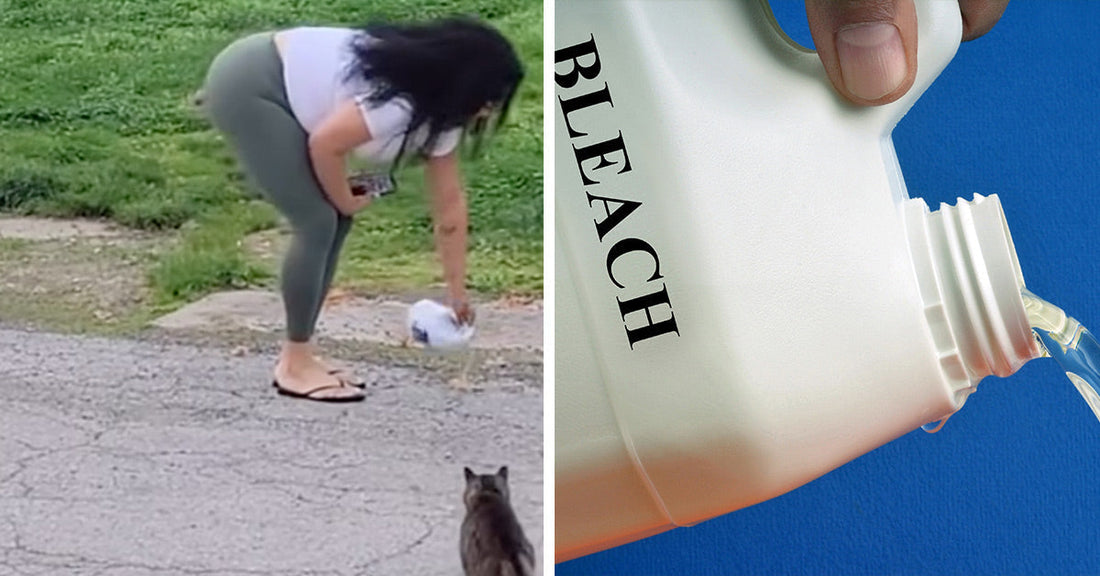
A reel shared by Kris Kelly Foundation alleges that bleach was poured onto food left for stray cats in Chester, Pennsylvania. The post describes a caretaker feeding adult cats and kittens and asks whether anyone has acted on the complaint.
The allegation has not been confirmed by an official public announcement. But the danger described in the video is real. Bleach is not cat repellent. It is a chemical cleaner that can injure animals when it touches food, mouths, skin, eyes, or airways.

Facebook/The Kris Kelly Foundation
Bleach Can Injure A Cat Fast
PetMD notes that bleach can be poisonous to dogs and cats, with danger depending on concentration and exposure. The ASPCA warns that undiluted bleach can injure the mouth and esophagus; even diluted bleach belongs only in controlled cleaning, after thorough rinsing and once the odor is gone.
That makes tainted food especially alarming. A hungry cat does not know a bowl has been altered. Kittens, sick cats, and thin outdoor cats may have less room to recover from chemical exposure.

Outdoor cats rely on caretakers for food, water, and safety.
What Witnesses Should Do
If a cat may have touched or eaten contaminated food, Alley Cat Allies says caretakers should act quickly: call a veterinarian, animal hospital, or poison helpline; identify the suspected substance if possible; bring a sample; and never induce vomiting unless a veterinarian directs it.
Evidence matters too. Food, containers, video, photos, timestamps, and veterinary records can help investigators determine what happened. Confrontation can make a dangerous situation worse. Documentation can move the case toward action.
Pennsylvania Law Treats Cruelty Seriously
Under Pennsylvania law, intentionally, knowingly, or recklessly abusing an animal can be cruelty, and aggravated cruelty can apply when cruelty causes serious bodily injury or death, according to the Animal Legal & Historical Center.
The Unified Judicial System of Pennsylvania reports that more than 52,000 animal abuse offenses have been filed statewide since Libre’s Law took effect in 2017.
In Delaware County, Providence Animal Center says its Humane Society Police Officer investigates cruelty complaints and asks callers to provide the address, town, and details. If an animal is in immediate danger, the instruction is direct: call 911.
The Cats Need Protection, Not Vigilante Justice
The alleged act in Chester should be handled by humane law enforcement and local police, not by online harassment. The cats need contaminated food removed, fresh water, veterinary attention if symptoms appear, and a safe feeding plan.
Poisoning is not a neighborhood dispute. It is a threat to animals who cannot read danger before they eat.
