
🚨Urgent: Missile Strikes Shelter in Ukraine! Rush Emergency Aid!
Thirty-Five Hounds Were Rescued From Deplorable Conditions As Remains Were Found
Guest Contributor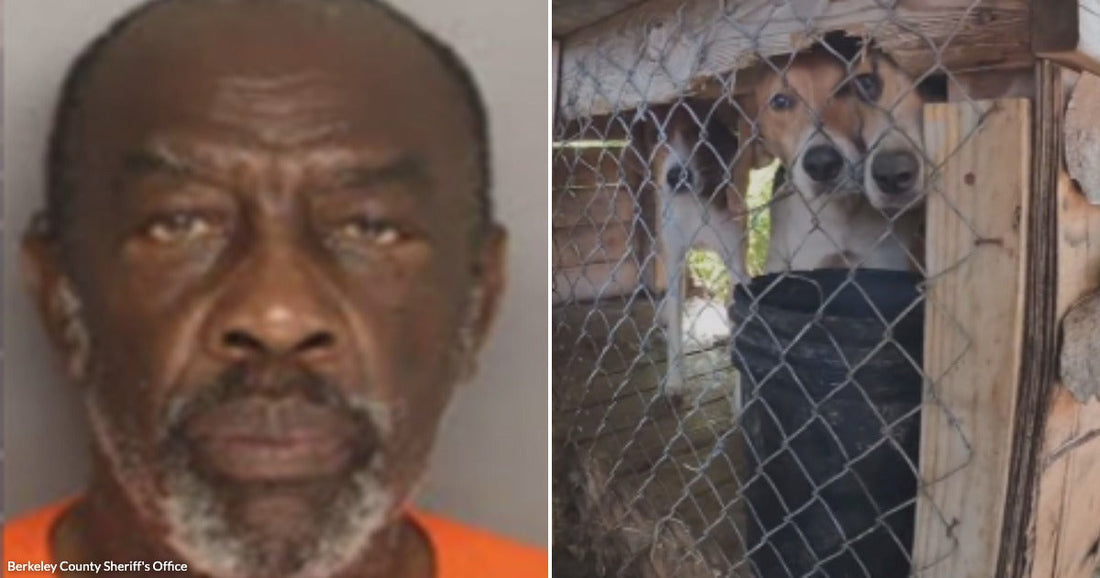
The unfolding animal cruelty case in Goose Creek has struck a nerve across the Lowcountry and beyond. Reports describe 35 hounds rescued from deplorable conditions, along with animal remains discovered on the property. As the case moves toward trial, animal welfare advocates are speaking out and calling for meaningful change in how cruelty cases are investigated, prosecuted, and prevented. This animal cruelty case in South Carolina has become a focal point for conversations about accountability, compassion, and what communities are willing to tolerate when it comes to the treatment of pets and working animals.
According to details shared by the Charleston Animal Society Berkeley Campus, the dogs were removed from conditions described as severely substandard. The number alone is sobering. Thirty five hounds, each with their own personality and basic needs, were reportedly found in a situation that advocates characterize as neglectful and inhumane. Alongside them, remains were recovered, underscoring the seriousness of what investigators say they encountered on the scene. Even without graphic descriptions, that fact alone communicates the gravity of the situation and hints at the suffering that likely occurred before authorities intervened.

As the court process moves forward, the animal cruelty case is entering a phase where evidence will be examined and responsibility evaluated in a formal setting. Trials like this one in Charleston County tend to move slowly, but for advocates, every hearing represents both a step toward justice and an opportunity to highlight systemic concerns. The legal system must determine guilt or innocence, as well as any potential penalties, yet many in the community are looking beyond a single verdict and focusing on what this case might reveal about broader enforcement gaps in animal protection laws.
Locally, organizations such as the Charleston Animal Society have become key players in responding to cruelty investigations. Their Berkeley Campus reportedly took in the rescued hounds for care and evaluation, illustrating a role that extends far beyond simple sheltering. In cruelty situations, animal welfare teams often assist with on site assessments, document conditions for investigators, and then undertake the long and often painstaking work of rehabilitation. It is not just about securing animals physically. It is about helping them recover from fear, malnutrition, or chronic neglect, and then working to place them in safe, stable homes when possible.

Charleston Animal Society Berkeley Campus
Advocates demanding change in the wake of this Goose Creek case point to several recurring themes. They highlight the need for stronger oversight in settings where many animals are kept, especially working dogs like hounds. They also raise questions about whether neighbors and community members feel empowered to report suspected abuse. Many cruelty cases come to light because someone decides not to look away and instead contacts authorities or a local humane organization. When a case involves dozens of animals, observers naturally wonder how long the situation persisted and what might have helped bring help sooner.
The public reaction to reports of the hounds living in deplorable conditions has been a mix of heartbreak, frustration, and determination. Some people are focused on what will happen next for the dogs already rescued. Others are concentrating on what could prevent similar situations in the future. When I think about those 35 animals and the remains that were found, I find this detail striking for what it suggests about those that could not be saved in time. It pushes the conversation beyond a single incident and into questions of policy, enforcement resources, and community norms around animal care.

Berkeley County Sheriff's Office
Legal experts often note that animal cruelty cases can be complex to prosecute. They involve questions about intent, standards of care, and the interpretation of local and state statutes. In South Carolina, as in many states, laws distinguish between neglect, cruelty, and aggravated offenses. Evidence about living conditions, veterinary findings, and witness accounts can all shape how charges are brought and how a trial unfolds. Supporters of stronger animal protection argue that when cases involve many animals or severe conditions, the justice system has an opportunity to send a clear message that cruelty is taken seriously.
For the Charleston Animal Society and other local advocates, this case has also become a catalyst for education. Many groups use high profile cruelty investigations to remind the public what appropriate animal care looks like, how to spot possible neglect, and where to turn if there is concern for an animal’s welfare. Outreach could involve explaining the signs of poor conditions, such as lack of clean water, inadequate shelter, or visible untreated injuries. It can also involve clarifying that filed complaints are not about interfering with responsible pet ownership, but about protecting animals from clear harm.
Community members following this animal cruelty case in Goose Creek might also be thinking about the emotional impact on responders. Law enforcement officers, animal control staff, and shelter workers who enter scenes with large numbers of neglected or deceased animals often carry those images with them long after a case closes. Recognizing that reality is part of fully understanding what it means to confront cruelty and to choose, professionally or as a volunteer, to be on the front lines of animal protection. Some organizations build in support systems and training to help staff process those experiences while continuing to do their work effectively and with compassion.
The pending trial in Charleston will likely clarify many details that remain limited to brief public descriptions. Court proceedings tend to reveal the specific conditions found, the timeline that led to the intervention, and the arguments from both prosecution and defense. Observers who care deeply about animal welfare will be watching not only for the outcome but also for what the case indicates about how similar investigations may be handled in the future. For some, the ultimate measure of progress will not be a single conviction or sentence, but whether laws, resources, and community awareness all improve as a result.
In the meantime, the 35 rescued hounds symbolize both past suffering and the possibility of a safer future. Their daily care, funded and supported by local resources, demonstrates a collective belief that animals deserve better than what they reportedly endured. Whether through adopting pets from reputable shelters, volunteering, reporting suspected cruelty, or supporting policy reforms, residents have many ways to contribute to a culture that values humane treatment for all animals. The Goose Creek case stands as a painful reminder of what can happen when that standard is not met, and as a prompt to recommit to compassionate, responsible care going forward. Read more at https://abcnews4.com/news/local/animal-cruelty-case-moves-toward-trial-as-advocates-demand-changecourt-trial-news-charleston-south-carolina-trending-dogs-cats-pets-lowcountry-abuse-bad-conditions-ongoing-investigations