
Abandoned Cat Wanders Through Freezing Snow Until One Home Finally Offers Safety
Guest Contributor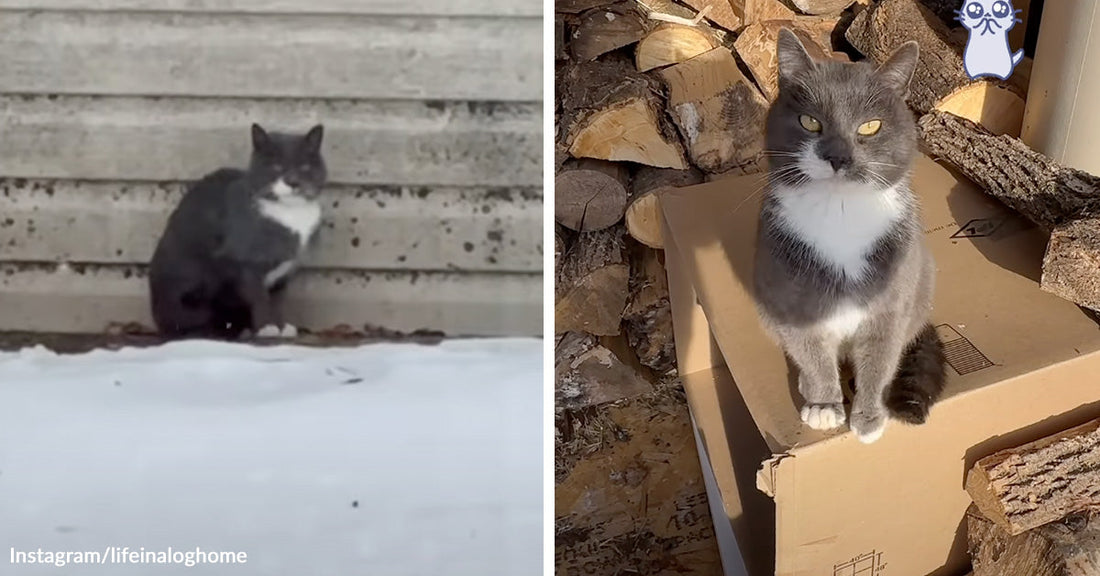
On one of the coldest days of winter, a fluffy gray house cat appeared in the snow outside a rural log home, searching for any scrap of shelter. According to a viral Instagram video, the cat had been abandoned near a garden shed and left to fend for himself in freezing temperatures. The story of this resilient cat, now named Ralphie, has touched hundreds of thousands of viewers and is sparking wider conversation about abandoned cats, rural animal welfare and how to keep pets safe in cold weather.
In the Instagram clip shared by user @lifeinaloghome, Ralphie can be seen wandering alone through thick snow, finally tucking himself under a shed to escape the wind and ice. The text overlay in the video addresses the person who allegedly left him there on that bitter day. It reads that the cat was dumped during one of the coldest days and left to search for shelter under the garden shed, left out in the cold and at risk. The post goes on to say that the couple who found him were glad he had come their way, adding that no one goes hungry or thirsty on their watch.

The rescuers report that Ralphie did not just receive temporary relief. They set up a dedicated insulated kitty shelter that Ralphie has already approved in the video. According to the post, he is being fed daily and given access to a heated water dish so nothing freezes over. The couple has even noticed his personality shining through, describing him as an expert biscuit maker, the affectionate kneading many cats perform when they feel safe and content. The video welcomes Ralphie to his new home and makes clear that, for him, life has changed course for the better.
In the caption accompanying the video, the poster notes that this is far from an isolated incident. Since moving into their rural home, abandoned cats have appeared on their porch multiple times. Each time, they say they ask neighbors whether anyone is missing a cat or recognizes the animal. The response, they report, has been consistent. People tell them it is not their cat and they do not know who it belongs to. This pattern has led the couple to believe that, sadly, dumped cats are commonplace in their area and possibly in many rural settings.
The conditions Ralphie faced highlight how dangerous cold weather can be for cats left outdoors. Low temperatures, icy surfaces and wet fur quickly combine into a serious risk to a cat’s health. Prolonged exposure can lead to hypothermia, where the body temperature drops too low, and frostbite, where tissue becomes damaged from freezing. When cats are outside in such weather, experts advise drying them off if their fur is wet, monitoring closely for signs such as shivering, weakness or unusual lethargy and ensuring they have warm, draught free bedding.
Winter also brings hidden chemical hazards. Substances like antifreeze, de icers and screen wash are widely used when temperatures drop, yet they are highly toxic to animals. Even a small amount licked from paws or fur can be extremely dangerous for a cat. Reported symptoms of such poisoning can include vomiting, unsteady movement, excessive drinking and, in more advanced cases, breathing problems or collapse. Any suspicion that a cat has come into contact with these chemicals calls for immediate veterinary assistance, as early intervention is often critical.
For cats that regularly venture outdoors, reliable access back inside is especially important in winter. As snow, frost or freezing rain develop, outdoor cats need to be able to return to a safe, warm environment quickly. If they remain outside for any period, it is recommended that they have a dry, insulated shelter and unfrozen drinking water at all times. Ralphie’s new arrangement with his insulated kitty shelter and heated water dish offers a concrete example of how simple measures can make an enormous difference to a cat’s wellbeing in cold conditions.
Indoor cats benefit from winter adjustments as well, even if they never step into the snow. As households seal up against drafts, pets still need warm resting spots and easily accessible resources such as litter boxes, food and water. Maintaining a comfortable indoor temperature and offering cozy beds, blankets or cat trees helps them conserve body heat. Mental and physical stimulation remain just as important in colder months. Toys, climbing spaces and puzzle feeders give cats opportunities to exercise, explore and stay engaged, especially when shorter days and bad weather limit their natural light and activity.
The Instagram post about Ralphie quickly resonated with viewers. According to the report, the video has received over 593,000 views and more than 61,000 likes on the platform, turning Ralphie into an unexpected symbol of both vulnerability and hope. The comments section fills out the emotional reaction many people had. One user called Ralphie a cutie and expressed sadness over what happened to him while thanking the couple for making him comfortable and loved. Another urged the rescuers to bring him inside, saying he looks adorable and simply needs love and food. A third commenter described the act of abandoning him as horrible and thanked the couple for stepping in.
I found this detail striking: while the internet often amplifies fleeting moments, stories like Ralphie’s combine a specific, personal narrative with reminders about broader responsibilities toward animals. The rescuers documented his arrival in the snow, then shared practical steps they took to protect him. Viewers responded with empathy, praise and calls for even more protection. It underscores how social media can highlight both the risks vulnerable animals face and the simple ways individuals can intervene, from offering shelter to spreading awareness about cold weather pet safety.
The situation also suggests an ongoing, less visible issue in many rural communities. When the couple describes hearing the same answer every time they ask about a lost cat, it points to a pattern of animals arriving without an obvious home or history. While the exact circumstances behind each cat’s appearance are not confirmed, the repeated experiences reported in the caption raise important questions about how communities can support responsible pet ownership, encourage spaying and neutering and ensure fewer animals are left to survive on their own in harsh environments.
Ralphie’s story ultimately lands on a hopeful note. A cat once seen wandering alone in deep snow now has regular food, heated water and a sheltered place to rest. For those moved by his journey, the message is clear and practical. If a cat appears in need, particularly during winter, checking for an owner, offering warmth and contacting local animal services or rescue organizations can all make a critical difference. Even small acts of kindness, such as putting out insulated shelters or ensuring fresh, unfrozen water is available, can help safeguard outdoor and stray cats through the coldest months of the year.