
Fleas And Starvation Became Evidence In An Animal Cruelty Case
Guest Contributor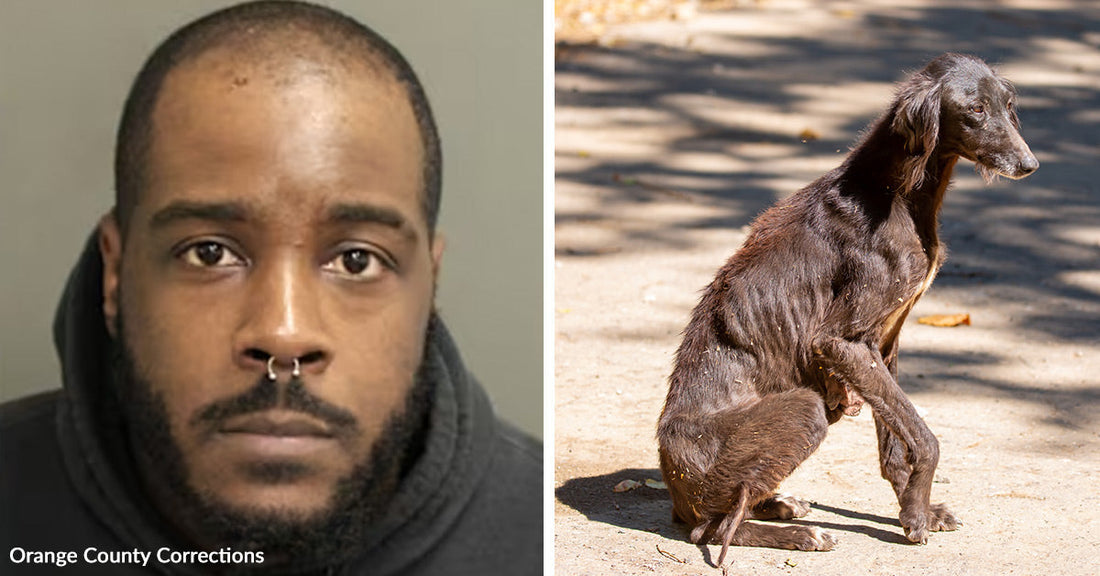
The recent arrest of an Orlando man after an emaciated, flea infested dog was discovered in an abandoned home has stirred deep concern among animal lovers and local residents alike. This disturbing case of alleged aggravated animal cruelty, tied to an eviction on Dellwood Drive, highlights how quickly neglect can turn into a life threatening situation for a vulnerable animal. Stories like this one about an abandoned dog in Orlando often prompt difficult but necessary conversations about responsibility, compassion, and the systems designed to protect animals.
According to the arrest warrant affidavit, the case began when Orange County Animal Services received a call about a black Great Dane mix. The caller reportedly described the dog as old and unable to walk properly, left alone inside a bedroom after the owner was evicted. When an animal services officer arrived at the address on the 2400 block of Dellwood Drive, what they found was alarming. The affidavit states there was a strong smell of urine in the home, along with piles of feces. There were bowls with some food available but the water bowl was empty, a detail that stands out in a situation where the dog was already described as weak and struggling to move.

The dog’s condition was described in the affidavit as extremely underweight. The animal had visible trouble standing, which suggested prolonged neglect rather than a short period of hardship. When an officer encounters an emaciated dog in surroundings marked by unsanitary conditions and a lack of clean water, concern for cruelty is no longer hypothetical. In this case, the animal services officer consulted supervisors, who advised contacting the Orlando Police Department because the circumstances appeared to be consistent with animal cruelty.
The dog was removed from the property and transported to Orange County Animal Services for treatment and further evaluation. Clinic paperwork cited in the affidavit noted that the animal had a “copious amount of fleas.” That description is not just a passing observation. A heavy flea infestation can cause or worsen serious health issues, especially in a dog that is already severely underweight. Fleas can contribute to skin infections, anemia, and intense discomfort. In older animals or those already weakened, the combination of poor nutrition, inadequate hydration, and parasite overload can become life threatening.
Investigators then turned to the question of who was responsible for leaving the dog in that condition. Orlando police reported that they were able to connect the dog and the property to a man named Benjamin Rojas, age 34. Police relied on several pieces of information to draw that link. The affidavit states that officers used a prior animal services incident, mail found inside the home, and statements indicating that Rojas owned the dog. Together, those elements formed the basis for identifying a suspect in what authorities now describe as an aggravated animal cruelty case.
After the investigation developed, Rojas was arrested and taken to the Orange County jail. According to the affidavit, he faces a felony charge of aggravated animal cruelty along with several misdemeanor charges. These misdemeanors include confinement of animals without food or water, confinement without appropriate exercise or air, abandonment of animals, and abandonment of sick animals. Each charge reflects a specific type of alleged neglect that state and local laws are designed to address. Aggravated animal cruelty as a felony indicates that authorities view the reported harm as serious and potentially intentional or severely reckless.
Cases like this raise important issues about what happens to pets when someone is evicted or experiences a major life disruption. While the affidavit focuses on this particular incident, evictions and sudden moves can put animals at risk if owners fail to plan for their care. Responsible guardianship includes making arrangements for pets well before a move or legal action, whether that means finding temporary foster care, contacting a shelter, or asking for help from friends, family, or community organizations. Leaving an older, compromised dog alone in a closed room without reliable food, water, and cleanliness abandons the animal to circumstances it cannot escape or control.
Animal services agencies often find themselves on the front lines of these situations. The officer’s report of a strong odor of urine, visible feces, and limited food with no water describes conditions that underline why welfare checks are so important. When community members call to report concerns about an animal, it can sometimes be the only lifeline that animal has. In this Orlando case, the initial call led directly to intervention and medical care for the Great Dane mix, as well as a criminal investigation. Without that outreach, the outcome for the dog might have been far worse.
I found the detail about the dog struggling to stand particularly striking. Difficulty standing in an older dog may be linked to age related conditions, but when combined with extreme thinness and a lack of proper care, it paints a picture of prolonged suffering rather than a sudden crisis. The mention of “copious” fleas adds another layer, suggesting that the dog endured discomfort and possible illness over time. For readers, the specifics in the affidavit help move the story beyond general terms like “cruelty” or “neglect,” showing what those words look like in a real home on a real street.
At the same time, this case serves as a reminder that local agencies, from animal services to the police department, can and do respond when credible reports of abuse or neglect come in. The coordination between Orange County Animal Services and the Orlando Police Department in this incident demonstrates a process in which trained professionals evaluate conditions, gather evidence, and then seek accountability when necessary. While no legal action can undo what the dog experienced, the filing of felony and misdemeanor charges communicates that leaving an animal to suffer in that way is not treated as a minor issue.
For those who care about animal welfare, it can be painful to read the details of a dog left behind following an eviction, but awareness can lead to action. People who find themselves unable to care for a pet can reach out to shelters, rescues, or local animal control before a crisis point. Neighbors or community members who suspect neglect can make a report rather than assuming someone else will step in. In a broader sense, stories like this underscore why many communities emphasize education about responsible pet ownership, from proper nutrition and medical care to end of life decisions for older animals who are struggling.
This Orlando case will continue through the legal system, where the evidence described in the affidavit will be examined in detail. Whatever the outcome in court, the narrative already offers a sobering example of how closely human decisions are tied to the well being of the animals who rely on them. One neglected dog in a vacant room on Dellwood Drive may seem like a single incident, but it stands for many others in which animals depend on both individual responsibility and community vigilance to stay safe. Read more at https://www.clickorlando.com