
Adorable Morepork Owl’s Medicated Bath Is An Adorable Example Of Wildlife Care And Recovery
Guest Contributor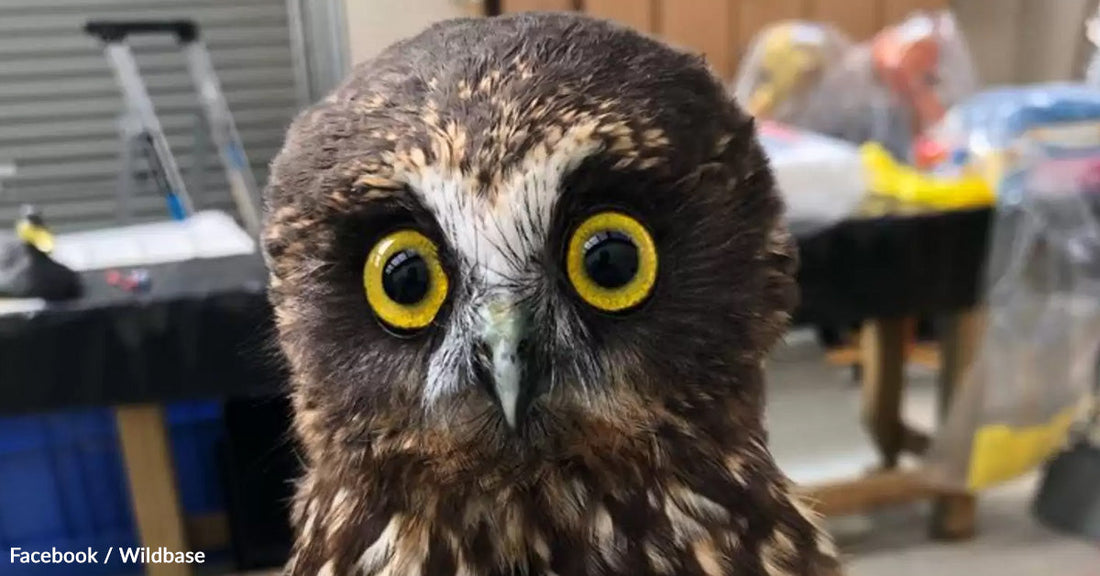
When a tiny morepork owl arrived at Massey Wildbase animal hospital in New Zealand with a mild skin infection, no one expected his treatment to go viral. But thanks to a necessary medicated bath and a few perfectly timed photos, this fluffy patient became an unexpectedly adorable ambassador for wildlife care. The little owl’s experience, while not exactly spa-like from his perspective, offers a charming glimpse into the behind-the-scenes work of animal rehabilitation.

The morepork, a native owl species in New Zealand, is known for its wide eyes, soft feathers, and distinctive call. At first glance, this particular owl looked like a healthy young bird, but the team at Wildbase discovered a skin irritation that needed prompt attention. According to Pauline Nijman, a supervisor at the facility, the condition was treatable with a medicated bath using chlorhexidine, a common antiseptic. However, there was one catch—owls generally do not enjoy getting wet.

“It was a big deal for both of us,” Nijman told The Dodo, referring to the bath. Owls, she explained, tend to dislike water, even rain. So when it came time to submerge the morepork in a gentle bubble bath, the staff braced for resistance. Photos taken during the procedure show a visibly unimpressed owl, feathers soaked and expression unmistakably dismayed. I found this detail striking: the transformation from majestic bird to soggy fluffball is both humorous and endearing, yet it underscores how much of an owl’s appearance is shaped by its plumage.
“He’s a smaller kid but in lovely condition,” Nijman noted, adding that once wet, “they look frightfully pathetic.” The images reveal just how dramatically an owl's appearance can change when its feathers lose their volume. Still, the bath was essential for treating the infection, and the morepork endured it with as much dignity as he could muster.
After the bath, the owl was carefully towel-dried and placed under an air blower to finish the process. “He did dry up rather nicely,” Nijman reported. Once fluffy again, he rejoined several other moreporks in the clinic’s aviary, all of whom are undergoing rehabilitation. The hope is that this single treatment will be enough to resolve the skin issue, allowing the owl to return to the wild soon.
This story highlights not only the resilience of wildlife but also the dedication of the teams who care for them. Massey Wildbase treats hundreds of animals each year, many of which belong to endangered species. While some treatments—like a medicinal bath—may not be appreciated by the animals, they are crucial for recovery. Nijman emphasized this point, saying, “It’s a privilege to be caring for such amazing birds and reptiles.”
Wildlife rehabilitation often involves moments that are both challenging and unexpectedly heartwarming. This morepork’s bath may have been a minor ordeal, but it also served as a reminder of the gentle, meticulous care that goes into helping wild animals heal. The staff at Wildbase combine clinical expertise with deep compassion, ensuring that each patient, no matter how small or grumpy, receives the best possible care.
In an era when many species face increasing threats, the work of places like Massey Wildbase is more important than ever. Their efforts not only save individual animals but also contribute to broader conservation goals. For those moved by the soggy but sweet face of one little owl, there are ways to support the clinic’s mission. Public donations help fund treatments and facilities, ensuring that more animals get a second chance at life in the wild.
The morepork’s story is a small but meaningful example of what happens when humans step in to help nature heal. While he may not have enjoyed his bath, the outcome—a clean bill of health and a return to his natural habitat—is well worth the temporary discomfort. And for the rest of us, the photos offer a light-hearted yet poignant reminder of the beauty and vulnerability of the creatures we share the world with.