
Dog Found Dead in Motel Bathroom After Allegedly Being Left Without Food or Water
Guest Contributor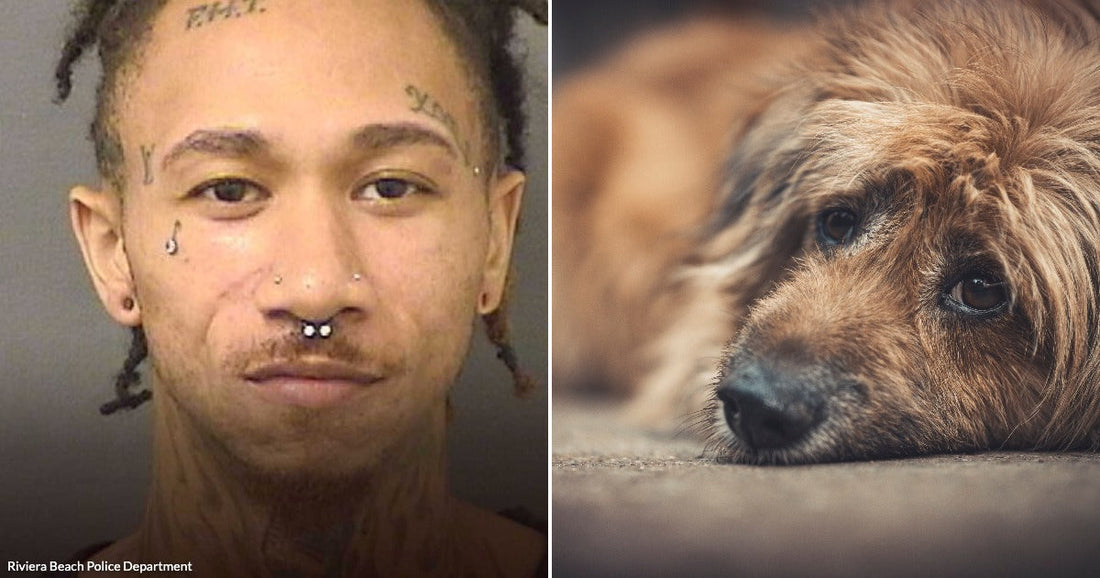
The recent case of a Riviera Beach man charged in the death of a dog found in a motel room is deeply troubling, and it has resonated with many people who care about animal welfare. The incident, which centers on a dog named Blaze discovered dead at a Motel 6 on West Blue Heron Boulevard, has raised painful questions about neglect, responsibility, and the legal consequences of aggravated animal cruelty.
According to a probable cause affidavit from the Riviera Beach Police Department, investigators allege that 31-year-old Xavier Fitzpatrick is responsible for the conditions that led to Blaze's death. He has been charged with aggravated animal cruelty, which is a felony, and also faces a city ordinance violation related to filth or offensive matter. These charges reflect the severity of what officers and animal care professionals say they found at the scene and in the subsequent investigation.

The situation came to light on July 7 when housekeeping staff at the Motel 6 entered Room 250. Inside the bathroom, they discovered the body of a dog. That discovery prompted a call to police and set in motion an investigation that would eventually result in the criminal charges. The hotel's owner told officers that Fitzpatrick had previously been seen walking the dog on the property, linking him to the animal that was later identified as Blaze.
Officers who responded described the dog’s body as being in an advanced state of decomposition. This detail suggests that Blaze had been dead for some time before being found, and it adds a heartbreaking dimension to the story. Animal Care and Control staff came to the motel and took custody of the remains in order to carry out a closer examination and determine, as precisely as possible, what had happened.

Riviera Beach Police Department
Investigators also spoke with Blaze’s owner, who provided crucial context about how the dog came to be in Fitzpatrick’s care. She told authorities that she had moved out of the motel and left Blaze with Fitzpatrick, believing he would look after the dog. According to the affidavit, she said Fitzpatrick repeatedly assured her that Blaze was doing well and that he would be responsible for the animal. This trust and those assurances are central to understanding why the subsequent findings were so disturbing.
A veterinary report cited in the police affidavit painted a grim picture of Blaze’s final days. The report stated that the dog was severely malnourished and likely died from dehydration. In other words, lack of adequate food and water appeared to have been a critical factor in the death. The veterinarian noted there was no food in the dog’s stomach and very little body fat remaining, signs that point to prolonged neglect rather than an acute, sudden medical emergency.

Perhaps one of the most haunting details comes from the same veterinary findings. Investigators reported that there was evidence suggesting Blaze may have tried to access water from a toilet. This image of a suffering animal attempting to find any possible source of water underscores the alleged severity of the neglect described in the affidavit. I found this detail striking because it reveals not only physical decline but the level of desperation Blaze might have experienced.
Based on the totality of the evidence, including the condition of the dog’s body, the veterinary conclusions and the statements from the owner and hotel staff, police said they determined there was probable cause to charge Fitzpatrick with aggravated animal cruelty. That charge recognizes, under the law, that the conduct described goes beyond minor neglect and into serious, potentially intentional or reckless harm to an animal.
The additional city ordinance violation, related to filth or offensive matter, is a lesser charge but still significant. It suggests that the environment in which Blaze was found was not only emotionally difficult for responders to witness but also in violation of local health or sanitation standards. While less severe than the felony count, it adds to the legal picture of what investigators say they encountered inside that motel room.
This case has drawn attention to several broader issues around animal care. First is the importance of recognizing that entrusting a pet to another person creates a serious responsibility. Pet owners often rely on friends, family or acquaintances when they move or face housing instability. In this situation, the dog’s owner believed Blaze would be safe and reportedly stayed in contact with Fitzpatrick, trusting his reassurances. The legal system will now evaluate whether those reassurances were honest and whether Fitzpatrick met the duty of care that comes with looking after a living being.
Second, situations like this highlight the role of bystanders and workers such as hotel staff. It was housekeeping employees who first discovered Blaze’s body and alerted authorities. Their willingness to report what they found allowed Animal Care and Control and Riviera Beach police to intervene, investigate and, ultimately, bring charges. Similar vigilance in other cases can help animals in distress receive help sooner, potentially altering outcomes that would otherwise end in tragedy.
The charge of aggravated animal cruelty in Riviera Beach also reflects how many communities are treating severe neglect and abuse of animals as serious criminal matters rather than minor infractions. While every case is unique and the outcome in this one will depend on the judicial process, the decision to pursue a felony count sends a message about how the law views the suffering of animals like Blaze. It acknowledges that leaving a dog to starve or die of thirst in a confined space is not acceptable and carries significant consequences.
For people following this story, the mood is understandably somber. Blaze’s reported malnourishment and the suggestion that he tried to drink from a toilet are details that can be difficult to read. At the same time, they illustrate why legal frameworks around animal cruelty exist. They are meant to deter neglect, encourage responsible caregiving and provide a mechanism to hold individuals accountable when an animal’s basic needs are ignored.
Cases like this can also prompt reflection among pet owners and community members. Ensuring animals have access to food, clean water, shelter and medical care is fundamental. When someone takes on the care of another person’s pet, even temporarily, that responsibility does not diminish simply because the arrangement is informal. Clear communication, regular check-ins and, when necessary, involving animal welfare authorities are all steps that can help prevent similar tragedies.
As this case proceeds through the legal system, the facts presented in court will be examined more closely. For now, the information contained in the probable cause affidavit and veterinary report provides a sobering account of what investigators believe transpired in that Riviera Beach motel room. Blaze’s story is a reminder of the vulnerability of animals and the profound impact that human choices, both caring and neglectful, have on their lives.