
🚨Urgent: Rush Aid to People & Pets in Nepal's Devastating Floods! Help Now!
Dead Animals Were Found In Bags Behind A Home Filled With Starving Pets, 41 Others Removed
Guest Contributor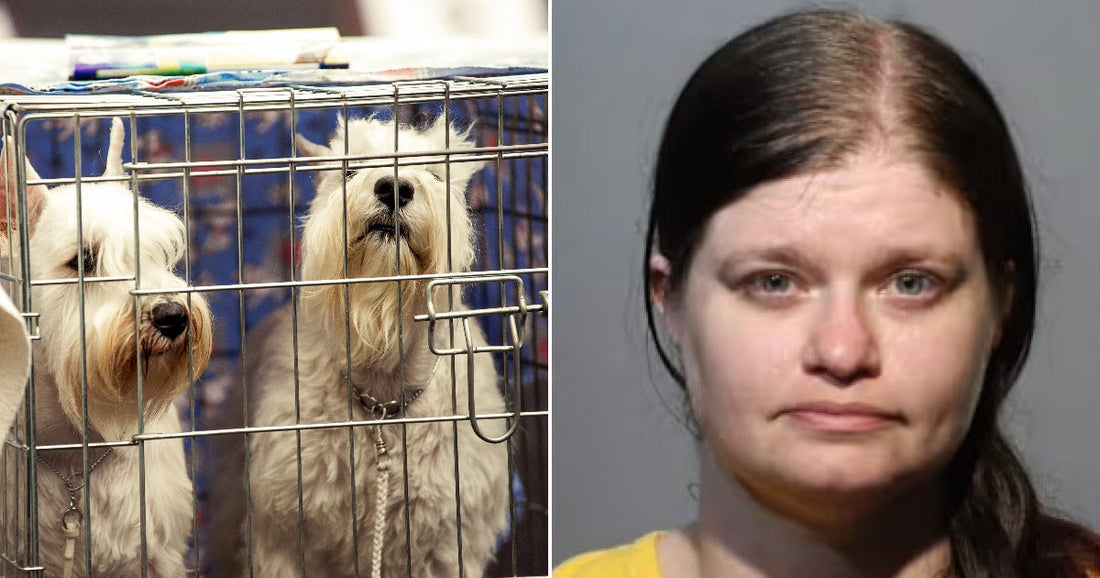
The recent sentencing of an Altamonte Springs woman to seven years in prison for a severe animal cruelty case has brought renewed attention to the realities of animal neglect and the responsibilities that come with pet ownership. This case, rooted in a suburban neighborhood of Seminole County, Florida, is a stark reminder that animal cruelty is not always a distant or hidden problem. It can take place behind ordinary doors, on otherwise quiet streets, and it often comes to light only after significant suffering has occurred. For anyone who cares about animal welfare, stories like this one are deeply troubling and impossible to ignore. Many readers searching for information about an Altamonte Springs animal cruelty case or a woman sentenced for animal cruelty in Florida will find this incident both sobering and instructive.
According to the 18th Judicial Circuit State Attorney’s Office, 38-year-old Tonya Grose was sentenced after pleading no contest to a long list of cruelty charges. The investigation began in September 2023 when Seminole County Animal Services requested a welfare check at her home on Ballard Street in Altamonte Springs. Altamonte Springs police officers who responded reported that even before they entered the residence, they could smell a pungent odor of urine and feces coming from inside. That initial sign of trouble turned out to be only the surface of a much more disturbing reality.

Once inside, investigators discovered numerous starving dogs and cats living in deplorable conditions. Seminole County Animal Services later documented the scene in photographs and formal reports. Emaciated dogs were found confined in cages without food or water. Birds were kept in cages that were not only dirty, but reportedly filled with feces and cockroaches. Several cats were also found inside the home. Altogether, officers and animal services personnel removed more than 40 animals from the property, including 26 dogs, 13 cats, and two exotic birds.
Authorities have said that two of the dogs were in such poor condition that they died in the presence of responding officers. That detail is especially heartbreaking and points to the extreme level of neglect involved. It is one thing to read that animals were malnourished or living without proper care, yet it is another to learn that some were beyond saving by the time help arrived. I found this detail striking because it underscores how long the suffering must have gone unnoticed or unaddressed.

Seminole County Jail
Investigators did not limit their search to the interior of the home. They also examined the surrounding property and a shed on site. Inside that shed, they discovered trash bags full of dead dogs, cats, and kittens. The release from the State Attorney’s Office notes this finding and it adds a deeply unsettling dimension to the case. The presence of deceased animals stored in trash bags suggests not just neglect of living animals, but also a pattern of failing to deal humanely with animals that had already died.
Evidence gathered in the case included photographs and written descriptions compiled by Seminole County Animal Services. These records documented the frail condition of the animals and the unsanitary state of the residence. According to county reports cited in the release, neighbors had long noticed a strong stench coming from the home. That observation indicates that the situation may have been developing over an extended period. In many neglect cases, neighbors’ concerns or complaints become an important prompt for investigation. Here, the mention of long-standing odor issues raises difficult questions about how long the animals had been living in distress.
The case took a legal turn when prosecutors filed multiple charges. Grose ultimately entered a no contest plea. She faced 13 counts of felony cruelty to animals causing death, pain, or suffering, along with 10 counts of misdemeanor cruelty to animals. Those felony and misdemeanor charges reflect the scale of the harm involved and the legal system’s effort to address crimes against animals in a serious manner. Animal cruelty statutes exist to protect animals from intentional harm and from extreme neglect that results in pain or death, and this case demonstrates how those laws can be enforced when authorities uncover severe violations.
Another dimension of this story that stands out is that Grose had registered a pet rescue business at the home. On paper, a pet rescue suggests an organization dedicated to protecting and rehabilitating animals. In practice, investigators say she admitted that she did not have the money or food to properly care for the animals in her charge. That admission highlights a critical point about the responsibilities that come with running any form of rescue or shelter. Even when intentions may start out positive, inadequate resources can quickly transform a supposed safe haven into a place of suffering. Cases like this can erode public trust in rescue operations, which makes it all the more important to support reputable, transparent organizations that meet clear standards of care.
The sentence imposed reflects both punishment and future protection measures. Grose received seven years in prison followed by 10 years of probation. During that probationary period, she will not be allowed to own animals. Restrictions like this can be essential in preventing further harm and in signaling that serious neglect and cruelty have lasting consequences. The combination of incarceration and long-term oversight indicates that the court treated the matter as more than a minor or isolated offense.
Beyond the individual case, this situation carries broader lessons for communities. First, it highlights the role of local animal services agencies and law enforcement. Seminole County Animal Services took the step of requesting a welfare check, which then opened the door for police and investigators to assess the conditions. That collaboration was crucial for removing animals from a harmful environment and for building a record that could be used in court. Second, it points to the importance of neighbors and community members paying attention to signs of potential neglect. Strong, persistent odors, visible signs of distress, or large numbers of animals in poor condition can all be indicators that something is wrong.
Moreover, the Altamonte Springs animal cruelty case emphasizes that animal welfare is not a side issue, but a key part of community health. Animals living without proper food, water, or sanitation often share space with humans who may also be affected by unsafe or unsanitary conditions. Addressing these cases can protect both animals and people, while also reinforcing basic standards of care. Some readers may be searching for information about Florida animal cruelty sentencing guidelines, and while every case is different, this one makes clear that serious neglect can lead to felony charges, prison time, and long-term restrictions on pet ownership.
Stories of animal cruelty are painful to read, and the details from this Altamonte Springs home are particularly distressing. Yet bringing such stories into the open can serve a purpose. They remind potential pet owners and would-be rescuers to honestly assess their capacity to care for animals before taking them in. They encourage neighbors to speak up when they see or smell something that seems deeply wrong. They also highlight the work of animal services officers and investigators who confront these scenes directly and advocate for those who cannot speak for themselves. The outcome in this case cannot undo the suffering that occurred, but it can serve as a warning and a call to vigilance that may help prevent similar harm in the future. Read more at https://www.clickorlando.com