
EXTRA Good Points All Week for Guardians! Become a Guardian!
Animal Hoarding Rescue: 111 Animals Saved From House of Horrors
Guest Contributor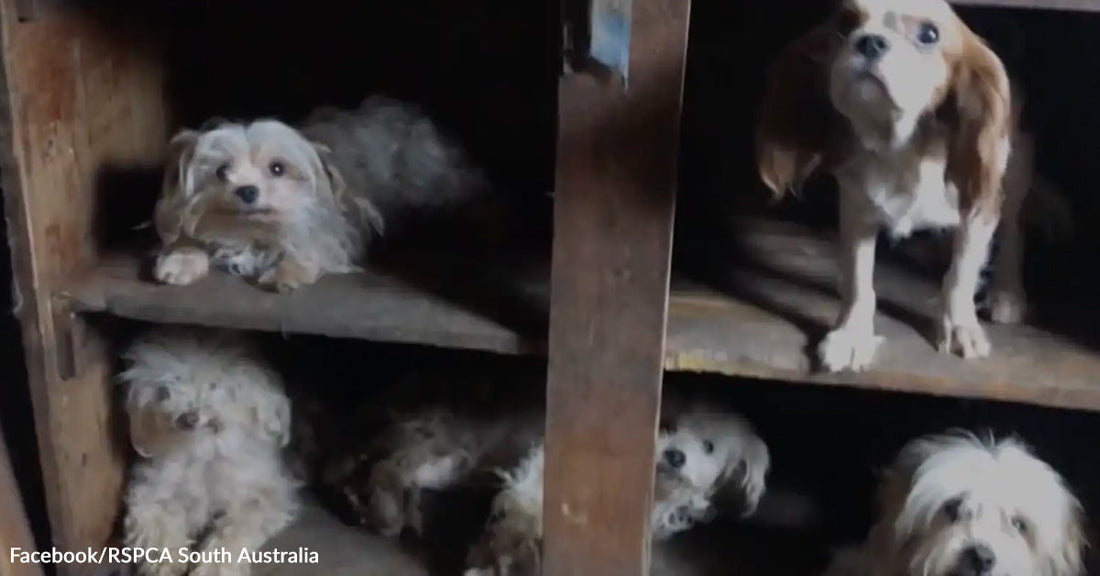
When rescuers from RSPCA South Australia stepped into a dilapidated house in 2020, they had been warned that many animals were living inside. Still, nothing could prepare them for what they were about to see. The entryway alone was enough to convey that this was no ordinary situation of neglect. Cages and crates containing cats and dogs were stacked in a chaotic tower, crowding every bit of open space. As they moved deeper into the home, it quickly became clear they had entered what they later described as a “house of horrors,” and the scale of the animal hoarding case stunned even seasoned investigators.
The conditions inside the property were heartbreaking. Dirt coated floors and crept up the walls, and grime spread across kitchen benchtops. Heavy cobwebs hung from the ceilings like curtains that had not been disturbed in years. The rescuers found animals tucked into almost every corner. In the kitchen, puppies huddled in cupboards and crouched on shelves, clearly frightened and unsure of the humans stepping into their world. These neglected dogs and cats were trying to survive in an environment that had become overwhelmed by clutter, filth, and fear.

Facebook/RSPCA South Australia
As investigators moved from room to room, their sense of shock only grew. The home did not just hold companion animals. Hidden among the dust and debris were birds, sheep, and, remarkably, a group of 11 kangaroos confined to the back patio. What might have begun as an attempt to care for multiple animals had spiraled into a situation far beyond what any individual could manage responsibly. Animal hoarding often develops in this way, and this property had become a stark example of what happens when good intentions collide with a lack of resources and oversight.
Despite the distressing surroundings, the rescue itself became a turning point for these animals. On that first visit, the RSPCA South Australia team removed 80 animals from the property. Among them were 65 dogs, 11 cats and kittens, a possum, and a magpie. Each one was carefully transported to safety and given the veterinary care they desperately needed. For many, it was likely the first time in a long while that someone had looked at them as an individual life deserving of comfort and health.

Facebook/RSPCA South Australia
The process of handling such a large animal rescue is intricate and emotionally taxing. Veterinary staff worked patiently to assess the physical condition of each animal. Many needed treatment for health concerns that had worsened in the cramped, unsanitary environment. Others required time simply to adjust, to learn that human hands could offer gentle care instead of more confusion. I found this detail striking because it highlights the quiet, everyday heroism involved in rehabilitation, long after the most dramatic part of the rescue has passed.
The work did not stop with that first removal. Advocates later returned to the house to ensure that every remaining animal was found and given a chance at a better life. They continued their effort until all the animals, including the kangaroos on the patio, had been safely removed and relocated. These kangaroos, who were never meant to live confined within a suburban property, were transferred to more suitable homes where their natural behaviors and needs could be better respected.
In total, 111 animals were seized from the property. According to RSPCA South Australia Chief Inspector Andrew Baker, 90 of them were rehomed. Sixteen others, mainly native animals and birds, were transferred to other rescue organizations equipped to meet their particular needs. The remaining few received care appropriate to their individual circumstances. This outcome speaks to the scale of coordination required in a case involving multiple species. It also underscores the importance of having a broad rescue network where organizations can collaborate, each contributing specialized knowledge and resources.
Baker noted that almost every animal required some form of veterinary treatment. Some needed minor interventions while others faced significant medical procedures and long periods of rehabilitation. That level of need could easily have overwhelmed a less prepared team, yet the rescuers and veterinary staff persisted. They committed not only to removing the animals from dangerous conditions, but also to making sure that neglect was replaced with sustained, thoughtful care. In the words shared in the press release, this made the final result “an incredible outcome for these animals after their rescue from this house of horrors.”
This rescue highlights several key aspects of animal welfare work. First, large animal hoarding cases rarely unfold in a single dramatic moment. They require planning, follow-up visits, transportation logistics, veterinary support, and long-term rehoming strategies. Second, the emotional impact on rescuers and veterinary staff is real. Each frightened puppy hiding in a cupboard or cat huddled in a crate represents a life that has endured stress and confusion, often for a long time. When these animals end up in safe environments, the relief is shared not only by the animals but also by those who have fought for their wellbeing.
The story also reinforces the importance of community awareness and reporting. The RSPCA South Australia investigation began with troubling information about a nearby property. That initial concern ultimately triggered a comprehensive rescue that changed the lives of over a hundred animals. In many regions, similar organizations rely on members of the public to act when they notice potential neglect or hoarding. Responsible reporting, performed with care and without hostility, can be the first step toward transforming a “house of horrors” into a story of second chances.
There is something deeply moving about the way this case shifted from horror to hope. The initial images are hard to forget: dust and debris layered across every surface, cobwebs hanging in long strands, and animals stacked in crates and hiding in cupboards. Yet the conclusion is powerful. Dozens of dogs and cats were rehomed. Native animals and birds were placed with organizations that understood their needs. The kangaroos, once confined to a back patio, were relocated to far more suitable homes. What began as a deeply distressing discovery became an example of what determined, coordinated rescue work can achieve for neglected animals worldwide.