
🚨Urgent: Missile Strikes Shelter in Ukraine! Rush Emergency Aid!
Hikers Hear Howling Inside a Water Tank and Discover an Entire Bear Family
Guest Contributor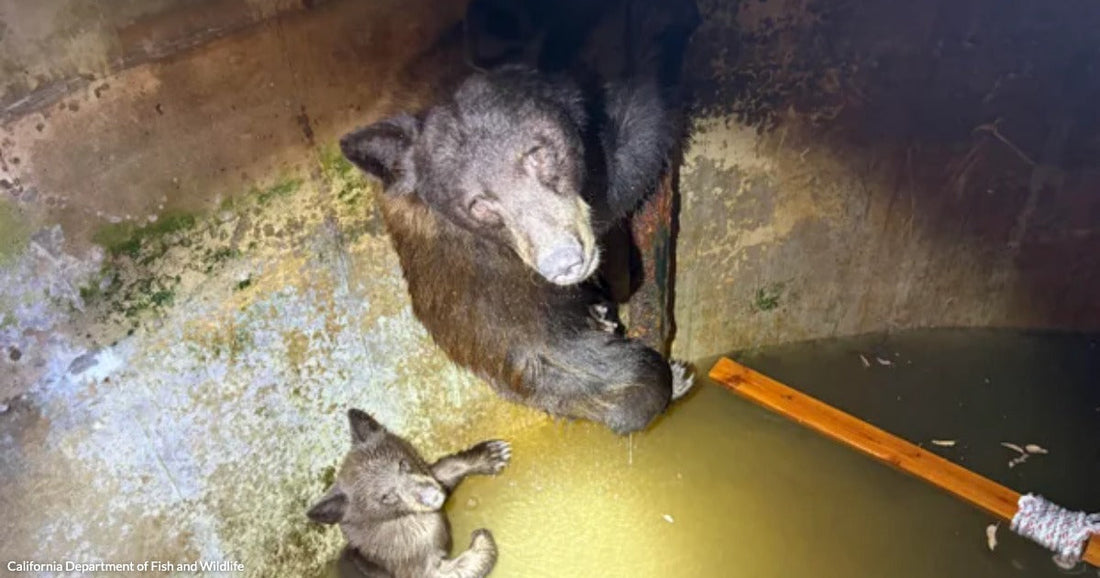
Hikers on a weekend outing near the popular Claremont Wilderness Park’s 5-Mile Loop Trail in Southern California stumbled onto a scene that quickly turned into a dramatic rescue story. What began as a routine trek turned into a life-saving mission for a black bear family stuck in a water tank. This unexpected encounter with wildlife highlighted both the vulnerability of animals in human-altered landscapes and the rapid response of local agencies trained to help. For anyone who spends time on the trail or follows wildlife rescue news, this black bear rescue story is both gripping and reassuring.
According to information shared by the California Department of Fish and Wildlife, the situation unfolded shortly after noon on a Saturday. Hikers in the area heard what they described as “howling” and traced the sound to a large water tank near the trail. Inside the tank, they discovered a sow and her two cubs trapped with no visible way to climb out. It was a stark moment that turned an afternoon hike into an urgent call for help.

The hikers contacted authorities, and a crew from the California Department of Fish and Wildlife, commonly known as CDFW, responded to the scene. The report was clear and worrying: a mother bear and her two young cubs were stuck in a confined space, unable to escape. When the CDFW crew arrived, they quickly assessed what could be done to free the animals safely, both for the bears and for the people nearby. Wildlife officers are trained to evaluate these situations carefully, since stressed animals and tight quarters can create real risks.
By the time CDFW personnel reached the tank, they found that nature had already taken a small positive turn. One cub had managed to escape on its own and had run to a nearby tree, creating a partial reunion with the outside world. That detail, that a young cub found the strength and instinct to climb free, added a hopeful note to a tense scene. The sow and the remaining cub, however, were still trapped inside the water tank with no easy exit.

The rescue that followed was a coordinated effort among multiple agencies. Teams from the La Verne Fire Department and the Los Angeles County Fire Department joined forces with CDFW staff at the site. Together, they devised a strategy to help the bears climb out rather than attempting to lift or tranquilize them. That choice minimized stress for the animals and reduced risk to the people working on the operation.
Crews cut a hole at the top of the tank and then positioned a ladder inside as an improvised escape route. The solution was relatively simple but required careful execution. Cutting into a large tank, ensuring stability, and placing equipment in a way that would make sense to a frightened wild animal demanded coordination and patience. Still, it offered the trapped sow and cub their best chance of regaining their freedom under their own power.
With the ladder in place, the mother bear and her cub were able to climb up and out of the tank. It was the resolution everyone on scene had hoped for. All three animals, including the cub that had already escaped to the nearby tree, were confirmed safe by CDFW after the operation was completed. There were no reports in the source description of injuries to the bears or to the rescuers, which is often the most positive outcome in wildlife rescue scenarios.
I found this detail especially striking: an everyday hiking trail near a suburban area became the setting for a complex rescue involving state wildlife experts and local fire departments. It is a reminder that places like the Claremont Wilderness Park serve as shared spaces where human activity and wildlife habitat intersect. The hikers’ willingness to follow up when they heard unsettling sounds, and then contact authorities rather than attempt a rescue on their own, played a crucial role in keeping everyone safe. Their actions supported a professional response rather than escalating the risk.
The incident also underscored how human infrastructure can sometimes become a hidden hazard for wildlife. Water tanks, reservoirs, and other utility structures are essential for communities, yet they can be deadly traps when animals enter and cannot find their way out. In this case, a sow and two cubs ended up in a situation that they could not escape without human help. The fact that one cub managed to climb free on its own does not change that overall reality. Without intervention, the outcome might have been very different.
Authorities have already responded to that concern by securing the tank to reduce the chance of a similar incident in the future. According to the report, the tank is now being reinforced or modified in some way so that other animals do not become trapped. This step is a small but important example of how communities can adapt infrastructure to better coexist with the wildlife that lives nearby. Preventive measures, such as covering openings, adding escape ramps, or installing barriers, can make a major difference for animals like black bears who roam through these landscapes.
Stories like this black bear family rescue near Claremont offer a lens into how people and wildlife share space in Southern California and beyond. Hiking areas that attract visitors also sit within or next to the habitats of native animals. Encounters are inevitable, and how those encounters are handled matters. In this case, the hikers recognized that something was wrong, contacted the proper authorities, and allowed trained professionals to carry out the rescue. Their response respected both public safety and the well-being of the animals.
These events can also serve as a quiet reminder for anyone who spends time on trails. Staying observant, reporting unusual animal distress, and allowing wildlife experts to take the lead are key parts of responsible outdoor recreation. When hikers know who to contact and understand why direct intervention is often discouraged, outcomes like this become more common. In the end, it was the combination of quick reporting, coordinated teamwork among CDFW and local fire departments, and a straightforward but effective rescue strategy that brought the sow and her cub safely out of the water tank.
This Southern California bear rescue may not involve sweeping landscapes or spectacular footage, yet it tells a powerful story about everyday people, public agencies, and the animals that move quietly around them. A seemingly ordinary water tank near a well-used trail became the stage for a coordinated operation that prevented a tragedy. All three animals survived, the tank is being secured, and the hikers who first heard those cries now have a story that illustrates how attentive trail users and responsive local agencies can make a concrete difference for wildlife. Read more at https://www.cbsnews.com