
Cat Was Kicked, Slammed And Thrown From A Window
Guest Contributor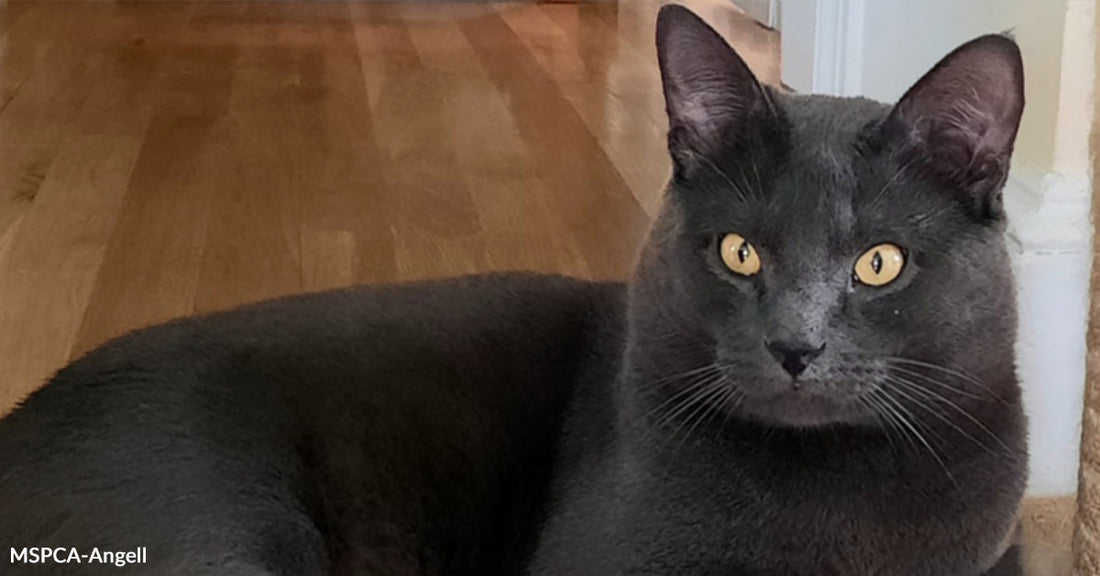
The recent sentencing of a Cambridge man for animal cruelty has drawn renewed attention to how the justice system responds when pets are subjected to severe abuse. In this case, involving a young cat named Sage, the details are painful to read, yet they also highlight how investigators, prosecutors, and animal protection groups can work together to seek accountability. For anyone concerned with animal cruelty laws in Massachusetts, this story raises important questions about consequences, rehabilitation, and the possibility of a better life for abused animals.
Court records show that 22-year-old Jaydan Depina of Cambridge pleaded guilty on June 11 in Middlesex Superior Court to six counts of animal cruelty. The charges stem from a disturbing incident that took place on or about July 5, 2025, when Depina repeatedly abused his one-year-old male domestic shorthair cat, Sage. According to the filings, he kicked Sage, stepped on him, slammed him onto the ground, grabbed him by the tail and neck, and threw him out of a multi-story window onto pavement. The description alone conveys how prolonged and violent the episode was.

Surveillance footage played a crucial role in documenting what happened outside an address on Norfolk Street in Cambridge. That footage showed Depina approaching Sage, grabbing him by the tail, and kicking him twice before attempting to reenter the building. The abuse did not end there. The video captured him slamming Sage head first onto the ground multiple times, swinging the cat by his tail, pinning him to the ground, and then standing on him. Finally, the recording showed Depina picking up what appeared to be a motionless Sage by the neck and carrying him back inside the building.
Investigators from the Cambridge Police Department and law enforcement officers affiliated with the Massachusetts Society for the Prevention of Cruelty to Animals, often referred to as MSPCA-Angell, pieced together the full sequence of events. Their investigation revealed that the horrifying acts seen on camera were preceded by Depina throwing Sage from a multi-story window. That discovery added another dimension to the cruelty already captured on video and reinforced the gravity of the case.
Depina was indicted in August 2025 and initially entered a plea of not guilty to all six counts of animal cruelty. With those charges, he faced a potential maximum penalty of seven years in state prison under Massachusetts law. Prosecutors, however, did not seek the maximum. Court records indicate that they recommended a sentence of up to one year in prison, citing Depina’s young age and what they described as a minimal criminal record before this incident.
Ultimately, the judge imposed a sentence of 90 days in prison followed by two years of probation. The probation terms were not limited to standard supervision. The court ordered that Depina remain in Massachusetts, avoid any contact with animals, and receive mental health treatment. In addition, he was directed to continue educational programming through Charlestown Adult Education, maintain housing through the Liberty Village housing facility or a similar program, and complete his high school equivalency through the HiSET program.
The condition requiring mental health evaluation and treatment appeared particularly significant to those following the case. Doll Stanley, Justice for Animals senior campaigner with the organization In Defense of Animals, issued a statement acknowledging both the seriousness with which the case was treated and the role mental health can play in violent behavior. Stanley thanked members of the Cambridge justice system for recognizing the gravity of the cruelty inflicted on Sage. The statement also expressed respect for prosecutors and judges who factor mental health into their decisions and who require evaluation, treatment, and accountability when mental illness may be involved in egregious crimes.
The physical toll on Sage made the case especially harrowing. According to information cited from animal protection advocates, the cat suffered multiple bilateral fractures in his paw bones, evidence of blunt force trauma and tail trauma, suspected displacement of tail vertebrae, and nerve damage to the perineum. Depina later told an MSPCA officer that he had attacked Sage because the cat bit him. That explanation appeared in court records, but it did not reduce the severity of the injuries described by veterinarians. Observers noted that signs of past injury suggested Sage may have had a history of abuse, not just a single violent incident.
I found this detail striking: even after such extensive trauma, Sage survived and was eventually adopted into what advocates described as a loving home. For many people reading about animal cruelty cases, an animal’s recovery and placement with a responsible guardian can offer a needed measure of hope. It does not erase what happened, yet it shows that intervention, treatment, and new families can give abused animals a chance at a different life.
Public reaction to the case extended well beyond the courtroom. In September 2025, In Defense of Animals sent a letter to Middlesex County District Attorney Marian Ryan, petitioning for the maximum sentence available under the law. The letter evidently resonated with many animal advocates and concerned community members; it collected more than 12,000 signatures. The petition highlighted a growing public awareness around animal cruelty cases and an interest in seeing courts impose penalties that reflect the severity of violence inflicted on animals who cannot defend themselves.
The sentence ultimately imposed was less than the statutory maximum, reflecting a balance between punishment and the prospect of rehabilitation. The relatively short jail term, paired with two years of probation and structured requirements for mental health treatment and education, suggests that the court aimed to address both the underlying behavior and the harm inflicted. Some readers may focus on whether 90 days is proportionate to the suffering Sage experienced. Others may focus on the importance of mandatory treatment and strict bans on contact with animals for individuals convicted of such offenses. The case illustrates how judges navigate these competing considerations within the framework of existing law.
At the same time, this story reinforces the vital role of organizations like MSPCA-Angell and In Defense of Animals. Their work ranges from helping investigate animal cruelty and providing medical care to advocating for stronger protections and sentences when animals are harmed. The investigation by Cambridge police and MSPCA law enforcement made it possible to present detailed evidence in court. The advocacy by In Defense of Animals brought public attention to both Sage’s suffering and the broader importance of enforcing animal cruelty laws.
Cases like this can be difficult to read about, and the descriptions of violence against a companion animal are deeply unsettling. Yet by examining the details, including the legal response and the eventual positive outcome for Sage, it becomes possible to see how community vigilance, law enforcement, veterinary care, and the courts intersect. For those concerned about preventing future acts of cruelty, this case underscores the importance of reporting suspected abuse, supporting local shelters and humane law enforcement units, and recognizing that accountability and treatment can both play roles in promoting safety for animals.
While the outcome will not satisfy everyone, the story of Sage is now also a story of survival and second chances. A cat who endured extreme cruelty has been given a stable, caring home. A young defendant has been placed under court supervision, required to seek mental health care, and restricted from contact with animals. And a community has been reminded that abuse of animals is taken seriously within the justice system, even as conversations continue about how penalties and protections can further evolve.