
Nearly 100 Cats Found in Condemned Home Where Floors Were Saturated With Urine
Guest Contributor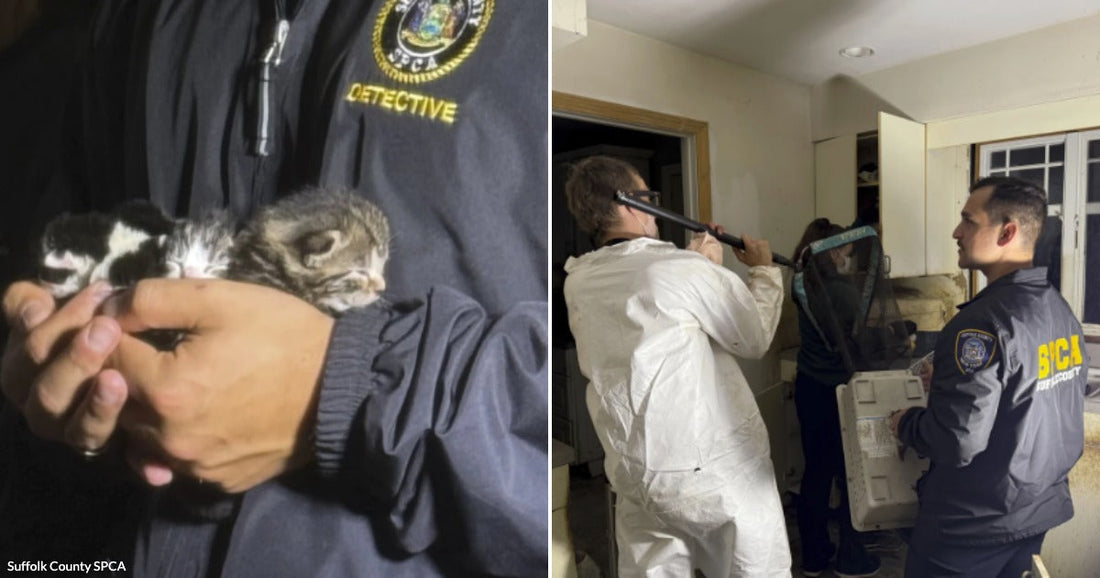
The discovery of nearly 100 cats living in a single suburban New York home, including dozens of dead kittens, has shaken animal lovers and local residents alike. This disturbing animal cruelty case from Suffolk County on Long Island offers a sobering look at what can happen when a situation of neglect spirals far beyond a person’s control. The report of almost 70 live cats and more than two dozen dead kittens found in one house is heartbreaking, and it raises urgent questions about animal welfare, mental health and community responsibility.
According to authorities, the case centers on a 75-year-old man in Bohemia, New York, about 50 miles east of Manhattan. He surrendered to detectives with the Suffolk County Society for the Prevention of Cruelty to Animals at a local police precinct and now faces 18 misdemeanor counts of animal cruelty and neglect. The charges reflect the condition of the animals and the house, which officials condemned as uninhabitable because of overwhelming odors of feces and urine and severe structural concerns. Court records did not list an attorney for the man at the time of the report, and he did not immediately respond to a request for comment.

Authorities first entered the home after receiving a complaint about dozens of cats living in squalid conditions. What they found was far worse than they expected. The Suffolk County SPCA reported that officers discovered 69 living cats, many suffering from medical issues such as respiratory infections and eye disease. In addition, they found 28 dead cats, including about two dozen dead kittens wrapped in a freezer. Other deceased animals were discovered in different parts of the house. Three of the living cats were later euthanized because their health was too compromised for recovery, underscoring the severe neglect these animals endured.
The description of the house itself is difficult to read. Roy Gross, chief of the Suffolk County SPCA, called the conditions “absolute deplorable.” Feces covered the floors and appeared sprayed on the walls, and urine had so thoroughly saturated the home that the floors had become spongy. The ammonia smell from the cat urine was so strong that the Islip town fire marshal condemned the property. The picture painted by these details is one of a home that had become unsafe not only for animals but also for any human occupant or first responder who entered.

Suffolk County SPCA
It is not entirely clear how the situation escalated to this scale of hoarding and neglect. Gross noted that the man’s wife had recently died and that the couple had lived in the home for more than 30 years. While the article does not speculate on the man’s motivations or mental state, the combination of long-term residency, a large number of animals and the recent loss of a spouse suggests a complex personal story behind the tragedy. Animal hoarding often exists at the intersection of emotional distress, isolation and a misguided desire to help or rescue animals, although only trained professionals can assess any specific case.
One of the most important aspects of this story is the response of local animal welfare groups. After the cats were removed from the home, they were taken to the Islip town animal shelter, where they are receiving medical treatment and care with assistance from the Suffolk County SPCA’s mobile animal and surgical hospital. The organization is working to find new homes for the surviving cats, and officials are asking the public for donations to help cover the cost of their care. More than two dozen of the cats are expected to be transported to upstate New York to be made available for adoption there, expanding the pool of potential adopters and easing pressure on local shelters.

Suffolk County SPCA
This case highlights the immense strain that severe neglect situations can place on shelters and rescue organizations. In fact, the Suffolk County SPCA has already been stretched thin. The group is also involved in helping dozens of cats that were injured in a separate tragedy, a fire at a cat sanctuary in the nearby hamlet of Medford on March 31. The blaze killed the sanctuary’s owner and left many cats in need of urgent medical attention and placement. Taken together, the cat hoarding case in Bohemia and the sanctuary fire in Medford have created what officials describe as a busy and trying month for those on the front lines of animal rescue.
Stories like this can be emotionally overwhelming, but they also serve a crucial function. They remind communities to stay alert to signs of animal neglect or hoarding. Strong odors around a property, an unusually high number of animals entering and exiting a home, or visible signs of distress in animals can all point to a situation that requires attention from local authorities or humane organizations. Reporting concerns early can prevent suffering and potentially keep a manageable situation from turning into a crisis involving dozens of animals and hazardous living conditions.
At the same time, it is important to recognize that meaningful solutions require more than rescue efforts alone. This case raises broader concerns about access to support for older adults, especially those coping with grief, depression or social isolation, who may also be responsible for animal care. While the article stays focused on the facts of the investigation and the condition of the animals, it implicitly suggests that stronger community support networks and easier access to low-cost veterinary and spay-neuter services might help reduce the risk of similar situations developing in the future.
There is also a legal dimension to consider. The misdemeanor animal cruelty and neglect charges in this case reflect the seriousness of the alleged offenses under New York law, yet they also show the limitations of the criminal justice system in preventing harm before it occurs. Legal consequences can hold individuals accountable, but they typically come into play only after conditions have already become dire. Continued public attention, robust local SPCA operations and sustained funding for animal control and shelter services are all part of a wider framework needed to protect companion animals from suffering.
For those who care deeply about animal welfare, the details of this case are painful to absorb. At the same time, there is a measure of hope in the rapid mobilization of the Suffolk County SPCA, the Islip town shelter and other partners working to rehabilitate the surviving cats. Each cat that receives medical treatment and is ultimately adopted into a safe, caring home represents a small but meaningful victory. As this story continues to unfold in the courts and in the lives of the rescued animals, it serves as a powerful reminder of the importance of vigilance, compassion and shared responsibility for the well-being of animals in our communities. Read more at https://apnews.com