
Rescue Leader Faces Dozens Of Cruelty Charges After Nearly 100 Animals Seized For Neglect
Guest Contributor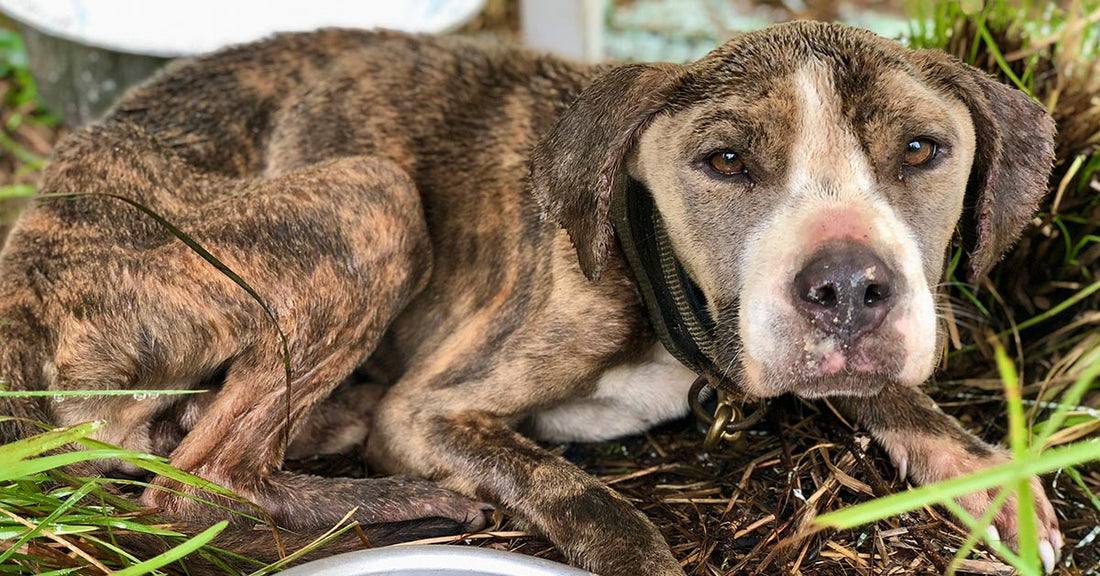
The recent case of the president of a Delaware animal rescue charged with animal cruelty has shaken many people who care about animal welfare. It is a deeply troubling story that highlights how quickly a supposed sanctuary can become a site of suffering, and how critical vigilant enforcement is when so many animals depend on a single person for their survival. For anyone concerned about animal cruelty in Delaware, this case is an urgent reminder that appearances can be deceiving and that oversight matters.
According to the Delaware Division of Public Health’s Office of Animal Welfare, nearly 100 animals were seized from a townhome in New Castle where the owner operated a rescue organization. Authorities reported that 49 cats, 42 dogs, and seven small animals were removed from the property after a joint investigation with New Castle County Code Enforcement. The scale of the operation and the number of animals involved illustrate how quickly a situation can spiral out of control when living conditions and medical care are not properly maintained.

The man at the center of the case, identified as 39-year-old Mark Ptomey of New Castle, is described as the founder and president of Pets and Wildlife Sanctuaries, Inc., which he ran out of his residence. Officials report that he was arraigned on multiple charges including 64 counts of misdemeanor animal cruelty, 72 dog housing violations, 27 dog licensing violations, and 68 rabies vaccination violations. He has been released on unsecured bail and is prohibited from owning or possessing animals while the case moves through the legal system. These charges, if proven, point to systemic neglect rather than isolated mistakes.
Investigators executed a search warrant at the home after coordinating with code enforcement. What they found paints a disturbing picture of life inside a supposed rescue. Officials described a strong ammonia odor in the air from excessive animal waste. Crates were reportedly stacked around the home among trash and clutter, and pet waste was said to be caked on floors, walls, and cages in a pest infested environment. Outside, cages and kennels holding dogs and cats were found throughout the yard in various states of disrepair. Some animals appeared to lack proper shelter from the elements and others were living in their own waste.
Conditions inside the property were considered so poor that New Castle Code Enforcement condemned the home. That step is usually reserved for situations where a structure is unsafe or unfit for human habitation. When one considers that nearly 100 animals were living there, the health and safety concerns become even more stark. I found this detail striking because condemnation underscores that what happened there affected not only animal welfare but basic standards of habitability.
Several of the animals were reported to be in severely poor health. A number of pets were rushed for veterinary care as soon as officers could safely remove them. One cat was found unresponsive and died while being transported to a veterinary hospital. Two more cats and one dog were later euthanized due to grave medical conditions. These outcomes serve as a tragic consequence of long term neglect. Each loss represents an individual animal that should have been protected in a place that claimed to rescue them.
Mark Tobin, Chief of Delaware Animal Services, characterized the situation as a betrayal. In his statement, he said that the individual involved betrayed both the community and the animals he claimed to protect. Instead of providing a sanctuary for vulnerable pets, Tobin explained that the animals were subjected to horrible neglect, and he emphasized the agency’s commitment to holding the person accountable and preventing future harm. The strong language reflects how seriously authorities view cases where an animal rescue organization becomes a source of suffering.
After the seizure, the animals were moved into the care of Brandywine Valley SPCA, which is identified as the state’s contracted animal shelter. Staff there are providing medical evaluations, treatment, proper nutrition, and safe housing. Taking in nearly 100 animals at once presents major logistical and financial challenges. The organization’s CEO, Adam Lamb, described the situation as an emergency and called on the community to help, whether by signing up as an emergency foster, adopting animals already in their care, or donating toward the care of the survivors. His comments highlight the collective effort needed whenever a large scale rescue operation takes place.
For members of the public, one of the most important lessons from this case involves the warning signs of neglect and hoarding conditions. While the article does not list specific red flags, the description of cramped cages, overwhelming waste, disrepair, and strong odors can help people recognize when something is seriously wrong. Rescues and shelters often operate under strain, but there is a clear line between struggling with resources and allowing animals to languish in unsafe, filthy conditions. Community members who sense something is off can be an essential early warning system.
Authorities in Delaware encourage anyone who suspects cruelty or neglect to report concerns to the state’s animal welfare services. Even if a person is not certain of what they are seeing, officials can investigate and determine whether intervention is needed. Anonymous tips and online reporting tools make it easier for people to speak up when they see animals in distress. This particular case developed into a major enforcement action, but timely reports in other situations may prevent harm before it escalates to this level.
This story also raises broader questions about oversight of animal rescue organizations. The article notes that Pets and Wildlife Sanctuaries, Inc. was run out of a private residence, which can make consistent outside monitoring more challenging. Regulatory frameworks may vary from state to state, but the need for transparency, accountability, and regular checks is clear. When an organization asks for donations, volunteers, and community trust, it must also agree to meet basic standards of care and to welcome inspections when concerns arise.
For compassionate individuals who want to help, this case should not discourage support for legitimate rescues and shelters. Instead, it suggests that people can research organizations before donating or adopting, look for signs of clean and humane conditions, and pay attention to how staff respond to questions about care, veterinary treatment, and record keeping. Reputable groups often work closely with local authorities and veterinarians, and they are transparent about their policies and challenges. Public involvement that is informed and attentive can strengthen the safety net for animals.
Ultimately, the New Castle case is a sobering reminder of how vulnerable animals are when dependent on a single caregiver or organization. The swift response from Delaware Animal Services, code enforcement officers, veterinarians, and the Brandywine Valley SPCA demonstrates that there are systems in place to intervene and rescue survivors. Continued community vigilance, responsible rescue practices, and a shared commitment to humane treatment can help ensure that places calling themselves sanctuaries truly live up to that name.