
🚨Urgent: Missile Strikes Shelter in Ukraine! Rush Emergency Aid!
Seven Dogs Saved From RV Of Horror As Toxic Ammonia Levels Put Animals At Risk
Guest Contributor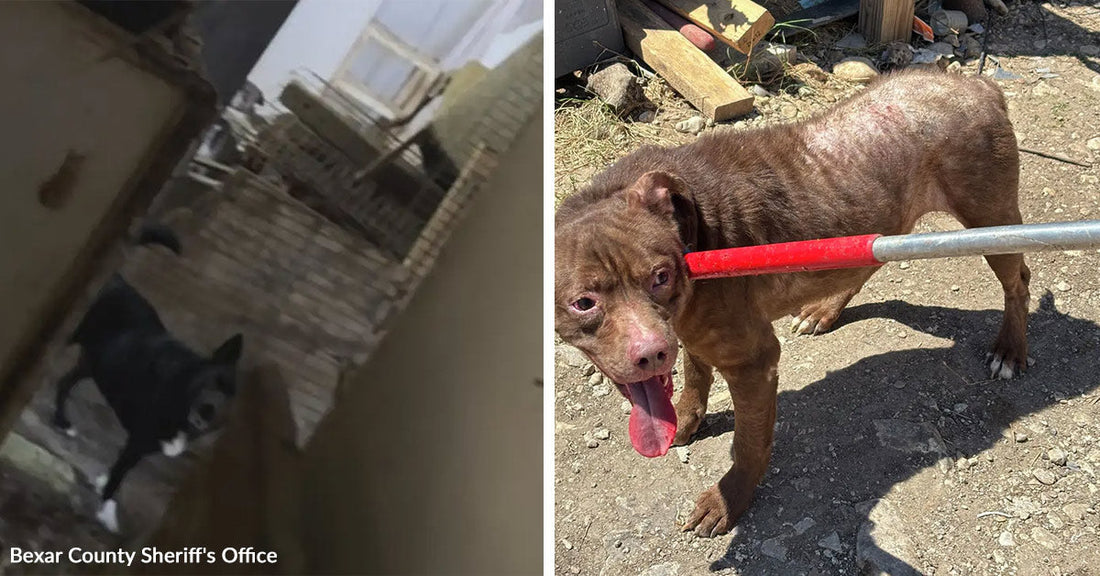
The brief note about dogs rescued from a locked RV in an animal cruelty case points to a serious situation, even though the details in the provided content focus on the journalist rather than the rescue itself. The context suggests a troubling scene involving animal cruelty, likely involving pets trapped in unsafe conditions. In this kind of case, the phrase “dogs rescued from locked RV” evokes images of confined animals enduring heat, lack of ventilation, or simple neglect. Although the content here centers on the reporter rather than the event, the situation itself underscores why animal welfare cases and responsible reporting in crime coverage are so important.
The author of the original piece, Jacob Beltran, is identified as someone who covers crime, breaking news, and general assignments for the San Antonio Express-News. This gives an immediate sense of the framework in which this story about an animal cruelty case was developed. Crime and breaking news often bring forward difficult and emotionally charged scenarios, and incidents involving dogs or other animals suffering in locked vehicles often shake local communities. The fact that this specific case involves a locked RV suggests a situation that may have been discovered after concerned bystanders or authorities noticed something was wrong, a pattern that appears frequently in similar reports across the country.

Beltran is described as a San Antonio native who began his journalism career in 2010. That detail adds context to how a story about dogs rescued from an RV fits within a broader career devoted to documenting the public record. Reporters who grow up in the communities they cover often carry a particular sense of responsibility. They are not just relaying facts to a distant audience. They are writing for neighbors, local advocates, and residents who may know the streets, neighborhoods, and even some of the individuals involved. When a journalist with this kind of local connection covers an animal cruelty case, it can help ensure that the story feels grounded rather than sensational.
His experience includes working for The Ranger, the student-run newspaper at San Antonio College, and The Mesquite, a publication for Texas A&M University–San Antonio. This path through student journalism into professional crime reporting reflects a sustained commitment to community news. Student papers are often where journalists first confront tough topics that affect real people and, increasingly, their pets and local wildlife. Covering stories about cruelty to animals or dangerous conditions for dogs and other pets is one way those early newsroom experiences can translate into deeply impactful reporting later.
Animal cruelty coverage requires a balance of clarity and compassion. While the source text does not provide the line-by-line account of the rescue itself, the mention of “dogs rescued from locked RV” is enough to remind readers of related incidents in which confined dogs face extreme heat or lack of water. Many of those cases end with police, animal control officers, or good Samaritans stepping in to remove the animals from immediate danger. In similar stories, reporters usually detail how the dogs were discovered, what conditions officers found, and what legal steps followed. When done with care, that kind of reporting can raise awareness about the dangers of leaving pets inside vehicles and encourage community members to act quickly when they suspect neglect.
Crime reporters like Beltran often move between vastly different stories in a single week. One moment might involve a breaking news scene with law enforcement and flashing lights, the next could be a quieter assignment that highlights a neighborhood project. In that broader context, an animal cruelty case is both a crime story and a community story. It touches on legal issues, such as charges that might be brought against the person accused of cruelty, and also on ethical questions about how society treats animals. It is reasonable to imagine that residents reading a piece about dogs rescued from a locked RV would feel concern, anger, or relief, and a thoughtful crime reporter aims to capture those reactions without inflaming them.
The mention that Beltran enjoys video games, photography, and exploring in his free time gives a brief glimpse beyond the byline. Photography in particular can intersect with this kind of reporting. Images documenting rescue efforts, the RV, or the presence of animal welfare officers can add a powerful visual layer to a written report. When handled responsibly, those images may communicate the seriousness of an animal cruelty case while still respecting the dignity of all involved, including the animals. That balance between impact and sensitivity is part of what defines effective coverage of any cruelty investigation.
From an audience perspective, people searching for information on an “animal cruelty case in San Antonio” or looking specifically for details about “dogs rescued from locked RV” are often seeking both facts and reassurance. They want to know whether the animals are safe and whether authorities are taking action. They may also be looking for guidance on what they themselves should do if they ever see a dog in distress inside a vehicle. While the provided text does not offer legal advice or procedural details, it points indirectly to the value of local journalism as a conduit for that kind of public service information. Crime and breaking news coverage often includes warnings, hotline references, and reminders that residents should contact authorities rather than intervening in unsafe ways.
The trajectory outlined in Beltran’s brief biography, from student publications like The Ranger and The Mesquite to crime reporting at the Express-News, reflects the development of a reporter whose day-to-day work can shape public understanding of incidents such as animal cruelty. Readers who encounter his coverage of dogs rescued from a locked RV might come away not only informed about the particular case but also more aware of the broader responsibilities that come with pet ownership. I found this detail striking because it shows how even a short credit line about the journalist hints at a larger ecosystem of local news, community concern, and ethical storytelling.
Ultimately, every crime or cruelty story is part of a larger conversation about safety and care, whether for humans or animals. The fact that a crime reporter with local roots is covering such an event suggests that the incident is being taken seriously as part of the public record. When incidents of animal cruelty are documented clearly and consistently, they can influence local attitudes, encourage stronger protections, and help ensure that vulnerable beings are not overlooked. In that sense, the simple acknowledgment that dogs were rescued from a locked RV in a case of animal cruelty is not only a crime headline but also a reminder of the role that conscientious journalism plays in community life. Read more at https://www.expressnews.com