
🚨Urgent: Missile Strikes Shelter in Ukraine! Rush Emergency Aid!
Florida Woman Accused Of Crushing 11 Baby Ducklings n A Cruel Driveway Rampage
Guest Contributor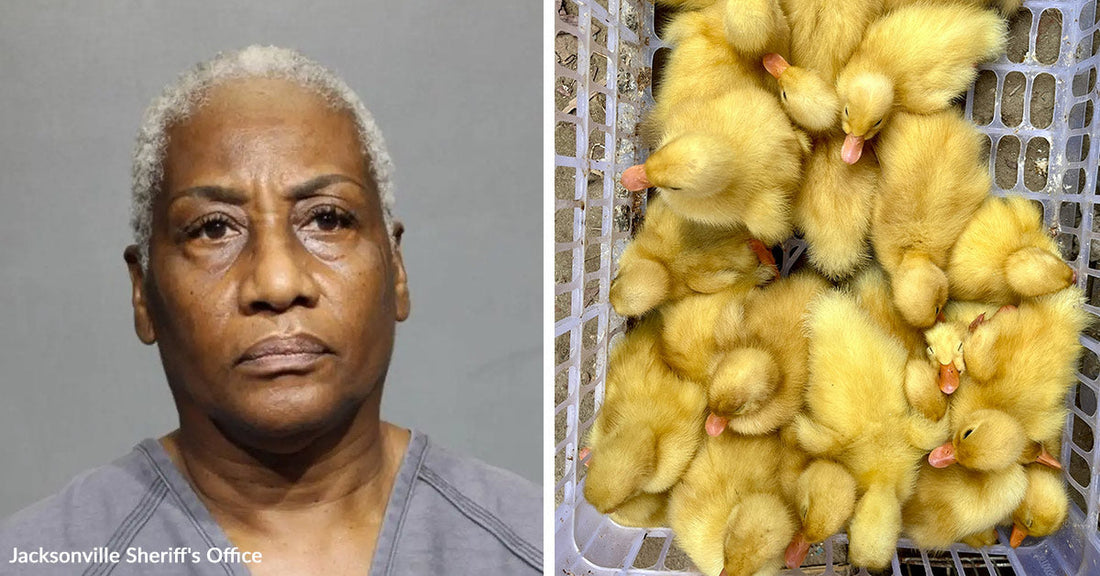
The recent report of a Florida woman who allegedly ran over 11 baby ducklings multiple times has struck many readers as both disturbing and deeply sad. According to authorities, the ducklings were intentionally killed because the birds had made a mess in the woman’s yard. Stories about animal cruelty can be difficult to read, yet they also highlight why laws, community vigilance, and basic compassion matter so much in everyday life. For anyone who cares about animals, this case of baby ducklings killed in Florida is especially painful to consider.
Police in Jacksonville, Florida, say that 64-year-old Beverly Sasberry faces 11 counts of felony animal cruelty in connection with the April 25 incident outside her home. The Jacksonville Sheriff’s Office described how a pair of passersby watched as a red Honda Accord ran over a brood of ducklings repeatedly. According to the report, the witnesses saw the car’s driver turn the vehicle around multiple times to hit the tiny birds. The scale and deliberateness of what they say they saw help explain why prosecutors are treating this as a serious felony case rather than a minor offense.

The witnesses did not just watch in horror and walk away. According to the sheriff’s office, they later confronted Sasberry, who allegedly admitted that she had killed the ducklings intentionally. The reported reason was as blunt as it was chilling. She was described as being upset that the ducks had made a mess in her yard. That brief justification, if proven accurate, illustrates a stark contrast between ordinary neighborhood annoyances and a choice to respond with deliberate violence toward vulnerable animals.
Not all of the ducks were killed. WFIE-TV News reported that the mother duck and two ducklings managed to escape the car’s path and survive. That small detail stands out, offering a sliver of relief amid an otherwise grim sequence of events. It also suggests how chaotic and frightening the moment must have been, both for the animals and for the people who happened to witness it. Even without additional description, it is easy to imagine the frantic attempts of the surviving birds to flee the danger unfolding on a residential street.
The couple who witnessed the alleged attack did more than confront the driver. They took the step of reporting the incident to law enforcement and provided video of what they had seen. This kind of citizen documentation has become increasingly important in animal cruelty cases. Video evidence can help authorities determine what actually occurred and whether actions meet the legal threshold for felony charges. In this case, the sheriff’s office referenced their involvement and seemed to acknowledge that such cooperation was key to moving the investigation forward.
On May 2, deputies from the Jacksonville Sheriff’s Office said they spotted the red Honda Accord that had been described by the witnesses. They conducted a traffic stop, pulled Sasberry over, and placed her under arrest. The agency emphasized in its statement that it does not take animal cruelty cases lightly. That concise remark reflects a broader shift in how many communities approach acts of violence against animals. Where once such incidents might have been dismissed or treated as minor nuisances, they are now more often recognized as crimes with real moral and social weight.
This case also fits into a troubling pattern of high-profile animal cruelty incidents across Florida in recent months. Earlier this year in Fort Lauderdale, surveillance footage captured a group of young people stomping and killing a duck. The clip came from a neighbor’s Ring camera and was reportedly so disturbing that police decided to remove it from their online announcement offering a $5,000 reward for information. The fact that law enforcement initially chose to share the footage highlights how crucial images can be in solving crimes, while their later decision to pull it reflects sensitivity to how graphic material can affect the public.
Another recent Florida case involved a 61-year-old man named Craig Vogt, who was arrested by the Pasco County Sheriff’s Office in September. According to police records cited in the report, Vogt allegedly killed, cooked, and ate two of his pet peacocks. Investigators said he was angry that his neighbor kept feeding the birds and that he carried out the killings as an act of revenge. In a particularly unsettling detail, he was accused of writing a letter to the neighbor and placing it in the mailbox to explain what he had done. That account, like the duckling case, reveals how quickly ordinary conflicts can turn into something far more serious when cruelty is chosen over dialogue or peaceful solutions.
I found it striking that each of these incidents appears to stem from relatively small grievances. A yard made messy by ducks, a neighbor feeding peacocks, or even the presence of local wildlife can all be irritating in their own way. Yet the responses described by authorities are extreme: running over baby ducks with a car multiple times, stomping a duck to death on camera, or killing and consuming pet birds. This gap between everyday frustrations and violent outcomes is what alarms many people and prompts discussions about empathy, impulse control, and mental health.
From a community standpoint, these cases highlight the importance of reporting suspected cruelty to animals when it is safe to do so. The couple who recorded and reported the Jacksonville incident played a key role, at least according to the sheriff’s account. Their willingness to document what they saw and share it with investigators appears to have helped bring about an arrest. Similarly, neighbors in the Fort Lauderdale case chose to share Ring camera footage and cooperate with police, and the Pasco County case came to light through records and reports that documented the alleged actions in detail.
There is also a legal dimension that matters here. Felony animal cruelty charges carry serious potential consequences, which can include significant fines and possible prison time, depending on the jurisdiction and outcome of the case. While the article does not detail the specific penalties that Sasberry or others could face, the decision to treat these acts as felonies sends a clear message about community standards. In many regions, laws have been updated to reflect a growing recognition that harm to animals is not a trivial offense.
On a more personal level, stories like these prompt reflection about how people view the animals who share their neighborhoods and yards. Ducks, peacocks, and other birds are often treated as part of the natural backdrop of suburban life. They can be noisy, messy, and inconvenient. Yet they are also living creatures that depend on human restraint and, at times, protection. Choosing to respond to their presence with care instead of aggression is a small but meaningful way individuals can contribute to a more humane community.
Ultimately, the Florida woman accused of running over the 11 baby ducklings will have her case move through the legal system, and the courts will determine what consequences, if any, she faces. In the meantime, the details reported by authorities have already sparked anger, sadness, and a renewed focus on animal welfare. If there is any constructive takeaway from such a painful episode, it may be the reminder that everyday choices, including how one deals with frustration and conflict, can have lasting effects on vulnerable lives. Read more at New York Post