
Dog Found Looking Skinned Makes A Stunning Recovery That Cruelty Could Not Stop
Guest Contributor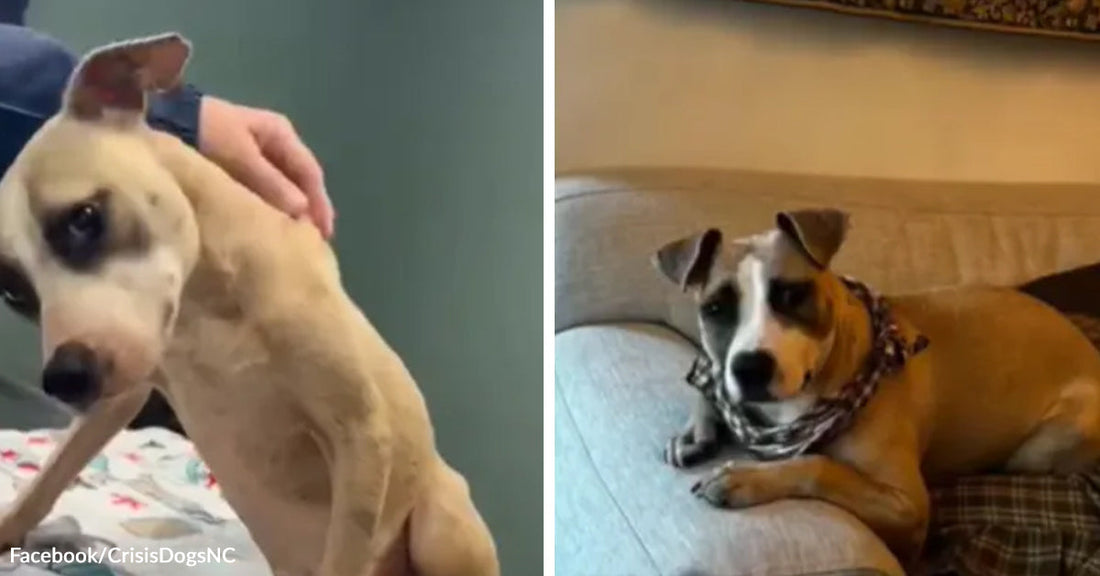
When an abused dog was found in Raleigh, North Carolina, so thin and hairless that she "looked as if she had been skinned," no one knew if she would survive. Today, that same dog, now named Willow, is living safely in a foster home and enjoying a new life. Her remarkable recovery from severe mange and starvation has become a powerful story of resilience, the impact of rescue work, and the deep trust dogs often continue to show humans despite past neglect.
Willow’s journey began when she was discovered wandering alone in July. Staff at Warrenton Animal Shelter quickly realized how serious her condition was and brought her in for immediate care. She had virtually no fur and her skin was raw and exposed, a result of extreme mange combined with malnourishment. Advocates described her as looking as though she had been skinned, a stark picture of what prolonged neglect can do to a dog’s body. It was suspected that she had been dumped and left to fend for herself.

Judith Texier of CrisisDogsNC stepped in right away. She explained that Willow’s condition was so dire that her team initially hesitated to take her on because of the anticipated medical costs. Still, Texier felt certain that this dog deserved a chance. That intuition, she later reflected, proved right. Despite everything Willow had endured, she was gentle, calm, and remarkably resilient, with a quiet sweetness that quickly won over everyone around her.
Shortly after her rescue, Willow’s condition briefly worsened. The day after she arrived, she developed projectile, bloody diarrhea, prompting an emergency rush to the veterinarian. The rescue team feared she might have canine parvovirus, a highly contagious and often life-threatening illness. Parvo is known to cause lethargy, abdominal pain, diarrhea, and loss of appetite, and spreads easily through direct contact between dogs or contaminated environments such as kennels, bowls, and leashes. Because of this, any shelter seeing potential symptoms must react quickly to protect both the sick dog and the rest of the animals in their care.
At the clinic, Willow was placed on intravenous fluids for several days to stabilize her and combat dehydration. The wait for test results could not have been easy. Fortunately, she tested negative for both parvovirus and heartworm disease, another serious condition that is transmitted through mosquito bites. Heartworm can slowly damage a dog’s blood vessels and reduce the heart’s ability to pump, so avoiding that added complication was a significant relief for everyone involved in Willow’s care.
With those immediate fears eased, veterinarians and rescuers could focus on treating her mange and supporting her overall recovery. Mange is a skin condition caused by mites that often affects stray or neglected dogs. It can lead to large patches of missing fur, painful sores, and thickened, crusty skin that can appear almost stone-like. Images of dogs with severe mange are often difficult to look at because the animals appear to be covered in wounds or scabs instead of fur, and Willow’s appearance fit that description all too well.
The good news is that mange, though painful and alarming, is treatable. Standard care usually involves a combination of hair clipping, regular medicated baths, and topical treatments that target the mites. As Willow began her treatment plan, staff members and volunteers watched closely for signs of healing. Her progress surprised them by how quickly it became visible. Once the medicated baths and treatments started to take effect, her skin calmed, and small patches of fur began to return. Those first signs of regrowth marked the beginning of a new chapter for her.
Willow is believed to be a mix of Great Dane and American Pit Bull, and as her health improved, her personality came forward more clearly. According to Texier and the CrisisDogsNC team, she showed herself to be exceptionally gentle. Even after losing so much and enduring such obvious discomfort, she seemed to greet each new day and each new human with trust. That trust can be one of the most striking parts of stories like this. Dogs that have been failed by humans still so often respond with affection and loyalty when people finally step in to help.
After several days in emergency care, Willow was stable enough to leave the clinic and continue healing in a foster home. Moving into a home setting gave her a quieter, more comforting space compared with the noise and stress of a shelter or veterinary hospital. There, her foster family watched her adapt far more quickly than anyone might have expected from a dog who had been through such trauma. Within a matter of days, she settled into a routine, relaxed into her new surroundings, and began to show how loving and playful she could be.
By the third day, the foster family had already grown deeply attached to her. They described Willow as loving, snuggly, and playful, a dog who only wanted to be near people and soak up affection. Visitors and volunteers who met her echoed those sentiments, calling her the sweetest puppy and marveling at how much kindness she displayed despite the cruelty and neglect that had nearly taken her life. Texier herself highlighted what she called a miraculous transformation, not only physically but emotionally.
I found this detail particularly striking: the rescue team, who see many difficult cases, still described Willow’s recovery as exceptional. They were moved by how fully she embraced the people caring for her and how clearly she embodied resilience and hope. Her journey underscores how much difference timely intervention, veterinary care, and safe foster homes can make for dogs facing seemingly insurmountable odds.
As Willow’s story spread, CrisisDogsNC shared photos of her “freedom ride” out of the shelter, showing just how thin, frail, and malnourished she had been at the time of rescue. Those images shocked many who saw them. At the same time, they inspired messages of support, offers to help, and prayers that she would find a permanent, loving home once fully recovered. People responded to the contrast between the dog in those early photos and the affectionate, bright-eyed companion she was becoming in her foster care updates.
Stories like Willow’s highlight both the heartbreaking reality of animal neglect and the incredible impact of committed rescue groups, shelter teams, and foster families. Severe mange, starvation, and abandonment could easily have ended her life, yet coordinated efforts turned her situation around. Today she stands as a reminder of how quickly a dog can change once given proper medical attention, nourishing food, and a safe, caring environment.
Willow’s transformation is not only about physical healing from mange and malnutrition. It is also about the emotional recovery that comes when a once-abused dog learns that some humans can be trusted. She has gone from being a wandering, hairless figure on the streets of Raleigh to a beloved companion in a foster home, showered with praise for her gentle nature. For many who followed her journey, she represents resilience, second chances, and the quiet power of compassion in action. Read more at Newsweek