
Determined Dog Escapes Shelter To Find His Own Family
Guest Contributor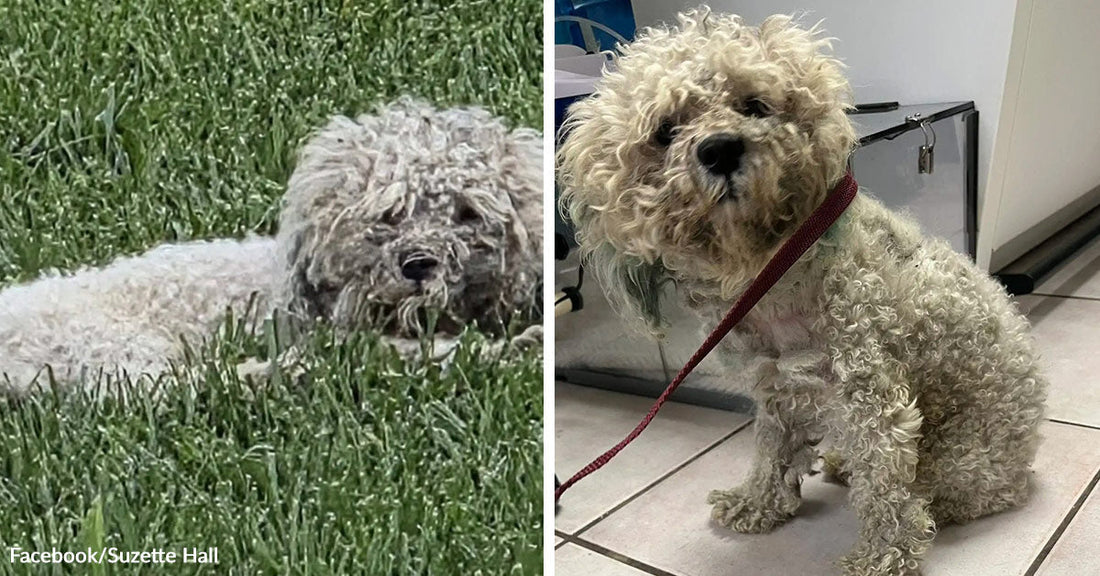
Some rescue stories feel like they were written for a movie, and the determined dog who escaped a shelter and went looking for a home on his own is one of them. This heartwarming rescue features a scruffy white dog, a week of survival on the streets, and a rescuer who refused to give up. It captures exactly why “dog rescue,” “shelter dog transformation,” and “forever home” are such powerful phrases for animal lovers.
The story begins with a social media post about a shaggy white dog seen wandering a Los Angeles County neighborhood. He was not a stray in the usual sense. According to rescuer Suzette Hall, founder of Logan’s Legacy 29, the dog had escaped from a nearby shelter and had been missing for seven days. In that time, he had been alone in an unfamiliar environment, hiding wherever he could and simply trying to survive.

Hall could not ignore the thought of this scared dog navigating busy streets and backyards without anyone to protect him. So when a Good Samaritan shared an online update that the dog had been spotted miles away from the shelter, she decided to go out and find him herself. Instead of assuming someone else would step in, she got in her car and drove straight to the neighborhood where he had last been seen.
Once she arrived, Hall began an exhaustive search. She drove slowly through every street, scanning under cars, along sidewalks, and near any spot that might offer a frightened dog some cover. For a while, it seemed like her efforts might not pay off. There was no sign of a fluffy white dog, no movement that hinted he might be watching from a distance.
Then, finally, something caught her eye. As Hall later shared, she noticed the tiniest white head peeking out from under a car. It was a brief, fragile moment. The dog did not rush toward her. He simply looked out from his hiding place, wary and exhausted, as if he was not sure whom he could trust. From the earlier photo, Hall recognized him immediately. It was the same shaggy white dog that had been missing for a week.
Seeing him up close revealed how much that week had taken out of him. Hall described him as dirty, hungry, and clearly terrified. His fur, already overgrown before he escaped, was grimy from days spent under cars and in whatever cover he could find. His body language told the rest of the story. This was a dog who had not only been alone but had been on constant alert, trying to stay alive.
Hall knew she could not just walk toward him and hope he would come willingly. A scared dog, especially one who has been fending for himself, often needs a gentler, more careful approach. She set up a humane dog trap nearby, placing enticing food inside and then stepping back to give him space. It was a patient, compassionate strategy that recognized his fear and his need to decide for himself that it was safe.
Fortunately, hunger and exhaustion spoke louder than fear. According to Hall’s account, he went into the trap almost immediately. The food, shelter, and relative quiet of the crate must have felt like a small relief after days of tension. In that moment, the long, lonely journey that had started when he ran from the shelter was finally over.
Hall and fellow rescuer Rosario Ortiz carefully placed the crate in the car and began the next phase of his journey to safety. As they headed to a veterinary clinic, Hall made an important phone call to the shelter where he had originally been housed. She asked for permission to take him in permanently, to give him the chance to start over away from the place he had tried so hard to escape.
The shelter agreed. That decision changed everything for the little dog. Hall named him Ricochet, a fitting name for someone who had bounced from shelter to streets and now into a second chance. She later shared that he would never have to go back to the frightening environment he had fled. His next chapter would be written in safety and kindness.
Ricochet’s first stop was a full veterinary check. After all he had been through, the question of his health loomed large. At the clinic, he passed his health test with flying colors. He might have been filthy and anxious, but underneath the dirt he was physically sound and ready for a fresh start. That positive result cleared the way for the next step in his transformation.
A warm bath and a long overdue haircut followed. The images from that day show a remarkable contrast. The scared, matted dog from under the car gradually became a bright-eyed, freshly groomed pup. Clean fur, a relaxed posture, and a more confident expression replaced the earlier look of fear and exhaustion. Hall described his makeover as a transformation, and that description fits not only his appearance but also his emotional state.
In the days and weeks after his rescue, Ricochet began to settle into his new life. With his basic needs met and his coat trimmed, he could finally rest properly, eat regular meals, and experience gentle affection instead of constant stress. The rescue reports emphasize that he is now feeling better than ever and adjusting well after his ordeal. I found this detail striking, because it highlights how quickly a dog can rebound when given safety, care, and patience.
Ricochet is currently looking for a forever home. Hall is optimistic that the right adopter will recognize just how special he is. His story is the kind that resonates with people who value resilience and second chances. He survived a week alone on the streets after escaping a place that overwhelmed him, and he still found the trust to walk into a trap, accept care from strangers, and begin again.
Until his perfect match arrives, Hall and her team at Logan’s Legacy 29 are making sure he knows he is loved and valued. He is no longer the anonymous dog hiding under a car. He is a cherished rescue with a name, a story, and a future that looks far brighter than his past.
Ricochet’s journey also shines a light on the work rescuers do every day to help dogs that others might overlook. From responding to online sightings to driving across neighborhoods and setting humane traps, their efforts turn fear and uncertainty into renewed hope. For anyone moved by Ricochet’s experience, supporting organizations that provide medical care, safe housing, and adoption opportunities is one meaningful way to help more animals complete their own transformations.