
Rescuers Remove 10 Dogs Including a Puppy From a Suspected Dogfighting Property in South Carolina
Guest Contributor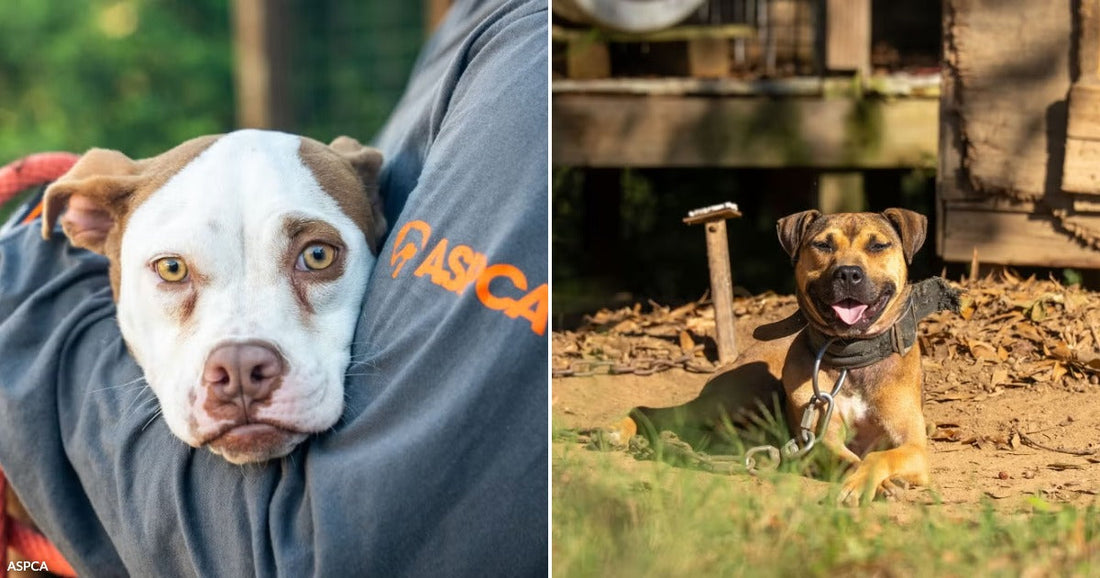
The recent response to a suspected dogfighting case in Greenville County, South Carolina, shows both the cruelty of this crime and the determined work of organizations that fight it. At the request of the Greenville County Sheriff’s Office, the ASPCA stepped in to assist with a situation involving 10 dogs, including one vulnerable puppy, removed from a property in Pelzer. The outcome of the case is still unfolding, but the immediate efforts to protect these animals and investigate what happened provide a clear look at how law enforcement and animal welfare groups confront dogfighting and support animal cruelty investigations.
According to the ASPCA’s account, the Greenville County Sheriff’s Office called them in after officers encountered signs consistent with organized dogfighting. On the property, law enforcement discovered weighted collars, heavy chains, and a treadmill. Each of these items may appear ordinary at a glance, yet together they often indicate attempts to build strength and endurance in dogs for fighting. Some of the dogs on site were observed with visible wounds, and others appeared dehydrated, underscoring the neglect that often accompanies this form of cruelty.

Dogfighting is illegal in all 50 states and widely recognized as a severe form of animal abuse. The details reported from this South Carolina case highlight why. Weighted collars can strain a dog’s neck and muscles. Heavy chains can restrict movement and keep dogs isolated, sometimes for long stretches of time. The treadmill is frequently associated with intense, forced exercise. When these tools are found together, especially alongside injured animals, they can signal a system built around exploitation rather than care. I found this detail striking because it shows how everyday objects can be twisted into instruments of harm.
In this suspected dogfighting operation, 10 dogs faced conditions that required swift intervention. Among them was at least one puppy, a reminder that cruelty often affects animals at every stage of life. Observers noted wounds on some of the dogs, which may point to recent or repeated injuries. Dehydration can indicate prolonged neglect and poor living standards. While the ASPCA has not publicly shared graphic details, the mention of both visible wounds and inadequate hydration is enough to convey that these dogs were not living in a safe or humane environment.

Once on the scene, the ASPCA’s role expanded far beyond simple transport. Their teams supported the Greenville County Sheriff’s Office by carefully moving the animals from the property in Pelzer to an ASPCA recovery facility. The journey from a suspected dogfighting site to a place of care is more than a change of location. It represents the first step in transforming these dogs from evidence in a criminal case to individuals with a chance at recovery. The ASPCA emphasizes that at this specialized facility, the dogs will receive medical and behavioral evaluations, along with daily care and enrichment.
The medical evaluations are essential for identifying injuries, infections, and other health issues that might not be obvious at first glance. Some wounds may be older and partially healed, while others may require immediate intervention. Behavioral evaluations are just as important. Dogs affected by cruelty can develop fear, anxiety, or defensive behaviors based on what they have experienced. Careful assessment helps determine what each dog needs, whether it is quiet space to decompress, positive socialization, or specific therapeutic approaches to help them feel safe.

Enrichment is another key part of the recovery process. At an ASPCA recovery facility, enrichment can include toys, gentle interaction with staff, time to exercise appropriately, and opportunities to engage in natural dog behaviors in a safe way. These forms of support help rebuild trust and confidence. For dogs recovering from suspected dogfighting, having a predictable, low stress environment can make the difference between remaining shut down and beginning to heal. The organization reports that these dogs will receive this kind of sustained, focused care.
The ASPCA’s work in this case does not end with animal care. They are also assisting with evidence collection, legal and investigative support, and forensic exams. In practice, that means their experts help document injuries, gather physical evidence such as the paraphernalia found on the property, and prepare materials that can support prosecutors and investigators. Forensic exams may involve detailed documentation of each dog’s condition, from scars and wounds to overall health, which can be critical in proving that abuse took place.
This is part of a broader mission. Teresa Ladner, vice president of ASPCA Criminal Practice & Investigations, explains that the ASPCA is committed to working alongside law enforcement and other animal welfare agencies to bring dogfighting to an end. According to her statement, the organization focuses on providing critical case support and consultation as well as caring for suspected victims through specialized behavioral and medical treatment. That combination of legal expertise and animal-care knowledge reflects a strategy that treats dogfighting both as a crime to be prosecuted and a source of deep harm to living beings who need rehabilitation.

Ladner also publicly commends all of the agencies involved in this South Carolina dogfighting case, including the Greenville County Sheriff’s Office and the South Carolina Law Enforcement Division (SLED). Their work is described as essential for pursuing justice for the animals and ensuring that they receive urgently needed care. This emphasis on collaboration highlights an important reality. No single organization can eliminate dogfighting alone. Progress depends on coordinated efforts among sheriff’s offices, state investigators, veterinarians, forensic specialists, and animal welfare professionals who know how to support victims of cruelty from seizure through recovery.
The Greenville County response illustrates how animal welfare cases often unfold. Local law enforcement first identifies a suspected operation, sometimes through tips, patrols, or related investigations. Once on scene, they may call in partners like the ASPCA when they recognize signs of large scale animal cruelty or need additional expertise. Those partners then support the safe removal of animals, provide specialized housing and treatment, and supply technical guidance to strengthen the legal case. Throughout, the focus remains on both accountability and the wellbeing of each individual animal.
For many readers, these stories can be difficult to absorb. They involve pain, neglect, and the betrayal of the trust that animals naturally extend to humans. Yet they also demonstrate what strong animal cruelty investigations can achieve when supported by capable partners. In the Pelzer case, law enforcement did not walk away from what they found. Instead, they collaborated with an organization equipped to handle the medical, behavioral, and forensic demands of a suspected dogfighting situation, giving the 10 seized dogs, including the youngest puppy, a chance at a safer future.
The case in Greenville County is still unfolding, and the final legal outcomes are not yet known. What is clear is that expert intervention, careful evidence collection, and thoughtful recovery work are now underway. The ASPCA frames this as part of its ongoing commitment to ending dogfighting by combining legal support with direct care for animals. That commitment, joined with the determined work of the Greenville County Sheriff’s Office and SLED, is already changing the story for the dogs removed from the Pelzer property. Read more at https://www.aspca.org/news/aspca-assists-suspected-dogfighting-case-south-carolina