
🚨Urgent: Missile Strikes Shelter in Ukraine! Rush Emergency Aid!
Former Shelter Worker Found Guilty In Animal Abuse Trial
Guest Contributor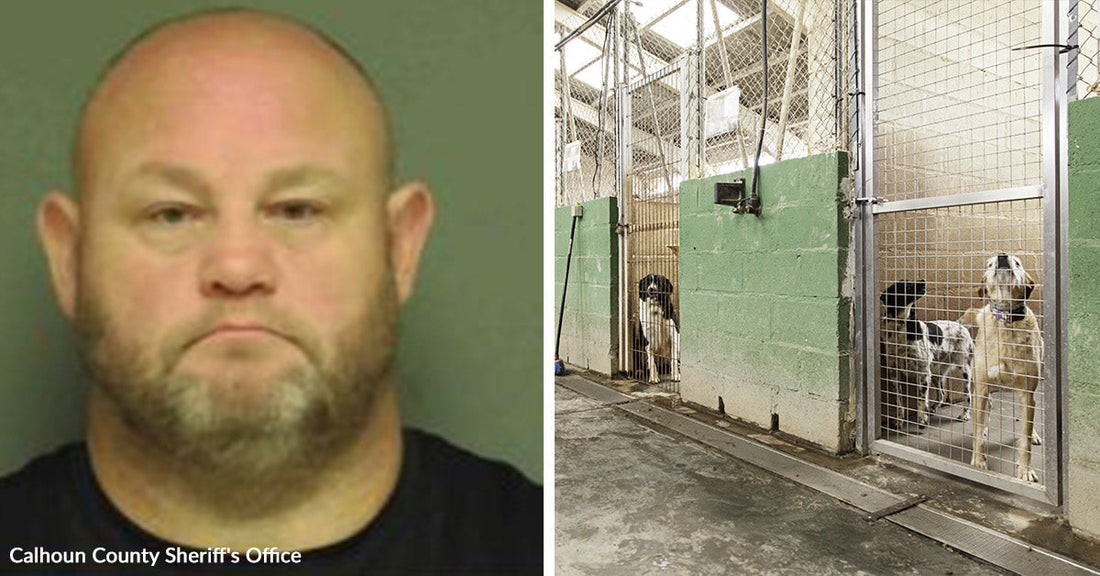
The recent Calhoun County animal abuse trial involving former shelter worker Christopher Westmoreland has drawn intense public attention, and for good reason. In a case that focused on allegations of aggravated animal abuse and practicing veterinary medicine without a license, a jury ultimately returned guilty verdicts on all charges. For anyone who cares about humane treatment of animals, this outcome in the Calhoun County Animal Shelter case feels deeply significant, both emotionally and legally.
Testimony over two days revealed a disturbing picture of what former employees say occurred behind the shelter’s closed doors. The trial centered on claims that animals were euthanized through intracardiac injections, often called “heart-sticks,” while they were still awake and conscious. Witnesses described these procedures in stark, specific terms that appeared to leave a strong impression on the jury.

The first witness, former employee Mallory Edwards, testified that she worked at the facility from 2021 to 2022 and was trained by Westmoreland. She recalled being brought into the euthanasia room during her first month on the job, where she says she witnessed a heart-stick performed on a fully awake dog. According to her testimony, this was not an isolated incident. Edwards stated that she saw many similar procedures carried out the same way, each time with animals conscious during the injection. When she later learned that the procedure, as she had seen it performed, was not correct, she testified that she informed Westmoreland that she would no longer participate.
Edwards further told the court that Westmoreland responded by telling her, “Don’t tell nobody.” She also said she contacted County Commissioner Terry Howell after his election but before he officially took office to alert him to what she believed was happening at the facility. This detail adds another dimension to the story, suggesting that concerns about the shelter’s euthanasia practices had reached beyond staff to local officials even before the criminal charges were brought.
Another former employee, Alicia Woods, returned to the stand for additional questioning. During her testimony, the prosecution introduced a letter labeled Exhibit 5B, which she confirmed she had written. Woods read the letter aloud to the jury. In it, she described a range of violations she said she witnessed while working at the shelter. She cited approximately 206 euthanasia procedures, some of which she claimed did not result in the animals’ immediate death. According to the letter, certain dogs remained alive for several minutes after the initial heart-stick, raising further concerns about potential suffering and whether proper protocols were followed.
One of the most emotionally charged moments of the trial came during the testimony of Rachel Zeal, who worked at the shelter in 2021. Zeal recounted her experience with a particular dog known as “Mr. Wobbles,” a name that alone suggests the level of affection she felt for him. She explained that Mr. Wobbles had been struck by a car before arriving at the shelter and that his bones had healed improperly, which affected how he walked. Despite his injuries, she described him as awake and alert at the time of his euthanasia. Zeal testified that she watched as a heart-stick was performed while the dog was conscious and that he did not die quickly. According to her statement, Mr. Wobbles attempted to walk around the room after the injection and required additional doses before he passed away. I found this detail particularly striking because it put a face and a story to what might otherwise have been a series of clinical descriptions.
The prosecution also presented expert testimony on what constitutes humane euthanasia and lawful veterinary practice in Alabama. Dr. Robert Deaton, a licensed veterinarian since 2013 and a consulting veterinarian for animal shelters in Walker and Cherokee counties, took the stand as an expert witness. He explained that all Registered Animal Euthanasia Facilities and veterinarians in the state fall under the Alabama Veterinary Practice Act, which outlines the legal standards and procedures they must follow.
Dr. Deaton testified that, under Alabama law, only a licensed veterinarian is permitted to administer rabies vaccinations because those vaccinations are closely tracked at local and national levels. This testimony directly supported the charge of practicing veterinary medicine without a license. He also addressed the use of intracardiac injections, stating that heart-sticks can only be performed humanely on animals that have been properly anesthetized. His explanation provided the legal and professional framework the jury would need to evaluate testimony about conscious animals receiving heart-sticks.
After Dr. Deaton’s testimony, the court adjourned for the day. When proceedings resumed the following morning, the State rested its case. In a notable strategic decision, the defense chose not to call any witnesses, then promptly rested as well. This meant the jury’s understanding of the case would largely rest on the accounts of former employees and the expert testimony that had already been presented.
With evidence closed, both sides delivered closing arguments, then the case was submitted to the jury. After approximately three hours of deliberation, jurors returned with guilty verdicts on all charges against Westmoreland, including aggravated animal abuse and practicing veterinary medicine without a license. From a legal standpoint, three hours is a relatively brief deliberation period for a case of this emotional weight, which may suggest that the jury found the testimony clear, consistent, and compelling.
In the aftermath of the verdict, District Attorney Lynn Hammond spoke to the Calhoun Journal. Hammond stated that the jury’s decision “sends a clear message that Calhoun County will not tolerate cruelty to animals” and added that the outcome “gives a voice to those who cannot speak for themselves.” Those words capture why this case has resonated so strongly with many observers. It is not only about the specific acts described in court. It is also about the broader principle that animals in shelters, especially those already vulnerable, deserve protection from suffering and must be treated according to humane and lawful standards.
From an animal welfare perspective, the Westmoreland verdict underscores the importance of oversight and clear protocols in Registered Animal Euthanasia Facilities. The testimony suggested that staff training, enforcement of proper procedures, and willingness to report concerns are all critical to preventing harm. The decision may prompt renewed discussions in other communities about how shelters operate, how complaints are handled, and how laws like the Alabama Veterinary Practice Act are implemented on the ground.
Westmoreland is currently being held in the county jail, awaiting sentencing scheduled for May 8. While the specific sentence is yet to be determined, the guilty verdict itself marks a significant legal milestone in Calhoun County’s response to allegations of animal cruelty. For many residents following the case, the outcome appears to affirm the idea that what happens inside an animal shelter matters and that those entrusted with animal care will be held accountable when they violate that trust.
This trial may also encourage more people with knowledge of potential abuse or improper procedures to come forward. The witnesses in this case described difficult and often painful experiences, yet their testimonies ultimately played a central role in the jury’s decision. Their willingness to speak about what they say they saw inside the shelter highlights the role that individual voices can play in achieving justice for animals that cannot advocate for themselves.
As Calhoun County prepares for the sentencing phase, the case will likely remain a point of reflection for animal advocates, shelter staff, and community members. Regardless of the final sentence, the message behind the guilty verdict in this animal abuse trial appears clear. Cruelty, especially against those who are defenseless, is not something the community is prepared to ignore.