
A Family’s Missing Dog Was Found Dead In A Creek And Deputies Say Someone Killed It
Guest Contributor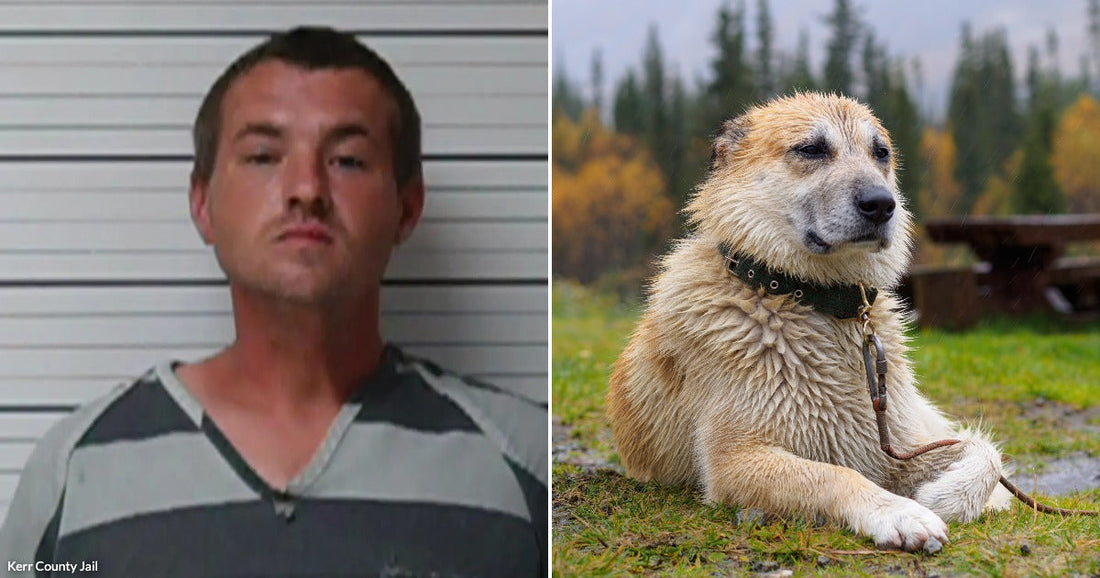
The recent report of a Hill Country man facing an animal cruelty charge, accused of killing a dog, lands with a deeply somber weight. Stories involving alleged animal cruelty, especially when they unfold in close-knit communities like those in the Hill Country, tend to resonate far beyond the immediate incident. They stir concern about how animals are treated, how the justice system responds, and what neighbors can do to help prevent suffering. An alleged animal cruelty case in the Hill Country is not just a single crime story; it becomes part of a broader conversation about responsibility, empathy, and community standards.
The article covering this case focuses on the charge itself and the local context, underscoring the seriousness of an accusation that a dog was killed. A criminal allegation of this nature often signals that authorities believe they have enough evidence to bring the case forward, though it is important to remember that a charge is not a conviction. The legal process still has to unfold, and the individual involved remains presumed innocent unless and until proven guilty in court. Even so, the mere possibility that a companion animal may have suffered at human hands can be deeply unsettling to readers.

Animal cruelty laws exist in large part because society increasingly recognizes that dogs and other animals are sentient beings that can feel fear, pain, and stress. An animal cruelty charge in Texas can cover a broad range of allegations, from neglect and failure to provide basic care to intentional acts that cause injury or death. While the specific facts of this Hill Country case are not detailed in the short report, the accusation that a dog was killed suggests that investigators considered the alleged conduct serious enough to merit criminal scrutiny.
When a dog dies under suspicious circumstances, it is not uncommon for neighbors, local animal advocates, and law enforcement to become involved. In areas like the Hill Country, where rural landscapes often mean animals roam large properties or live in close proximity to livestock, lines between working animals and companion animals can sometimes blur. The report of a dog’s death potentially connected to human actions raises difficult questions about how people perceive their responsibility to animals and when behavior crosses a legal and moral line.

Kerr County Jail
Coverage from local journalists plays a crucial role in making sure residents are aware of incidents like this. The author reports from the Hill Country for a major San Antonio news organization, focusing on the people and events that shape life in that region. This type of coverage helps ensure transparency around criminal allegations, while also giving community members an opportunity to reflect on their own expectations of humane animal treatment. By sharing even limited details, local reporting keeps the public informed about developments that might otherwise remain hidden in court dockets or police logs.
Animal cruelty in the Hill Country and beyond is rarely just a private matter. Research often notes that intentional cruelty to animals can be linked to other forms of violence or instability in a household, which is one reason law enforcement and courts increasingly take such cases seriously. A dog’s killing under alleged cruel circumstances can trigger fear, anger, and sadness among community members who view their own pets as family. It can also motivate people to pay closer attention to signs of neglect or abuse around them, such as animals left without shelter, food, or veterinary care.

Legal outcomes in a case like this can vary widely. Depending on the evidence, prosecutors might pursue misdemeanor or felony charges, and potential penalties can range from fines and probation to incarceration. While the article does not provide specific legal details, the label “animal cruelty charge” itself signals that the state is prepared to examine the circumstances in court. Observers will likely watch to see not only what happens to the individual accused, but also whether the case influences local attitudes about reporting suspected animal mistreatment.
Stories of a dog killed under alleged cruel conditions often lead readers to think about what they can do to help protect animals in their own communities. That can include supporting local shelters and rescue groups, learning the signs of abuse or neglect, and knowing how to file a report with authorities if something seems wrong. Many people also turn to education as a tool, teaching children and neighbors about humane care, responsible pet ownership, and the emotional lives of animals. When a case reaches public attention, it can become a difficult but important starting point for these conversations.
I found this detail striking: even in a brief report, simply naming an animal cruelty charge has the power to change how people view safety and care in their community. It reminds readers that laws protecting animals are not abstract; they exist to address real situations that can unfold in any neighborhood, rural or urban. The Hill Country, known for its scenery and strong sense of place, is also a setting where questions of responsibility and compassion are playing out in very tangible ways.
At the same time, it is important to approach such reports with care and balance. Respect for due process means allowing the investigation and judicial system to run their course. Respect for animals means not minimizing the allegation that a dog was killed. Respect for the community means acknowledging the emotional impact these stories can have, especially for those who share their lives with pets and see them as cherished companions. Maintaining this balance helps keep public discussion grounded, constructive, and fair.
The journalist behind this coverage brings experience from both regional reporting and prior work at a university publication, adding context and local familiarity to the story. Consistent reporting on topics like crime, public safety, and animal welfare enables residents to stay informed and engaged, and it acknowledges that what happens to animals is part of the broader public interest. Thoughtful attention to an alleged animal cruelty case can, at its best, encourage stronger protections and more compassionate choices across the Hill Country.
As this case moves forward, many readers will likely follow updates to understand both the outcome and any broader implications for how animal cruelty is addressed locally. Regardless of the final verdict, the fact that a charge has been filed is a reminder that acts of cruelty toward animals are subject to legal scrutiny and community concern. Continued, careful reporting will be crucial in ensuring that the public remains informed in a way that is accurate, respectful, and focused on both justice and humane values. Read more at https://www.expressnews.com