
Familiar Music Can Help Families Find Connection When Dementia Makes Words Hard
Guest Contributor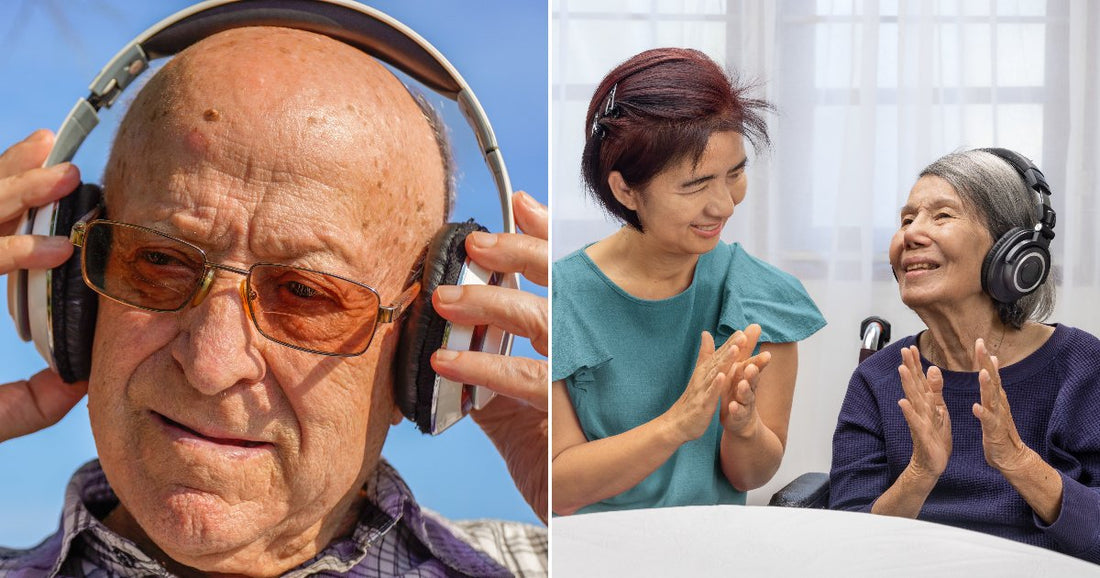
Familiar songs can sometimes reach people with dementia when conversation no longer can. For many families and caregivers, that simple truth turns music from background noise into a powerful tool. Research on music therapy for dementia, along with decades of clinical observation, suggests that music can spark connection, comfort and joy even in the later stages of the disease. While it is not a cure, using music thoughtfully at home can transform daily care and help preserve a person’s sense of self. For those searching for gentle, practical ways to support a loved one, understanding how music affects the brain and behavior is a hopeful starting point.
One early and striking example came from music therapist Concetta Tomaino in the 1970s, when she worked with residents in a nursing home who were in the end stages of dementia. Many of them appeared unresponsive and disconnected from their surroundings. When she began to sing familiar songs, these same residents suddenly joined in. They sang lyrics clearly even though they could not say where they were or recognize the people nearby. That experience set Tomaino on a lifelong path of asking why musical memory seems so durable and how, even as dementia progresses, music can still bring people back into the moment.

Scientists do not yet have a complete explanation, but they have uncovered important clues about how music engages the brain. Hearing a song does not activate a single “music center.” Instead it lights up multiple regions at once. The auditory cortex processes the sound itself. The cerebellum helps coordinate movements like tapping a foot or swaying. The hippocampus, which plays a central role in forming long-term memories, becomes involved when a song is familiar. The amygdala, which contributes to emotional processing, helps explain why a certain melody can move someone to tears. Enjoyable music can even stimulate the brain’s reward system, including dopamine pathways related to motivation and pleasure.
For people with dementia, where musical memories are stored seems to matter greatly. Tomaino explains that the music people love most becomes deeply embedded in subcortical networks. These are brain structures that sit deeper than the cortex, the outer layer that supports higher functions such as visual recognition. Those deeper networks are relatively robust and often stay functional for longer as dementia advances. This can help explain why a person might no longer recognize a family member’s face yet still light up at a treasured song from youth. Musical memory, in many cases, appears to be more resilient than visual memory.

Research on music therapy for dementia reflects this resilience, but also offers a realistic view of what music can and cannot do. In one study of 51 people with dementia who attended adult day health centers, participants listened for 20 minutes to personalized playlists through headphones. Afterward, researchers noted more eye contact, increased engagement and talkativeness, more visible joy and less sleeping. These are short-term changes, yet caregivers often value them because they make the day feel more connected and less isolating.
Larger reviews provide a broader perspective. A 2025 update of a Cochrane review on music-based therapy combined data from 30 studies involving 1,720 participants, most of whom lived in care homes. The analysis suggested that music therapy probably improves depressive symptoms and may help with overall behavior. At the same time, the review found little evidence that music significantly changes cognition or longer-term agitation, and any benefits appear to fade in the weeks after structured sessions stop. Taken together, this indicates that music is best viewed as a tool for improving quality of life rather than a treatment that alters the course of dementia itself.
Even as a quality-of-life tool, however, music can play many roles in dementia care. Caregivers often find that familiar songs ease stressful transitions. Leaving home for a medical appointment, sitting in a waiting room or riding in a car can be upsetting or confusing. Playing calming, personally meaningful music during these periods can offer a sense of continuity and comfort. At home, caregivers with programs such as Music & Memory have used personalized playlists to help a person through disruptions in routine or the emotional letdown after a video call with family.

Sleep is another area where music may help. Sleep difficulties are common in dementia and can leave both the person living with the condition and their caregivers exhausted. A quiet, familiar playlist before bed might support relaxation by lowering heart rate and breathing rate, reducing muscle tension and gently evoking positive memories. A 2022 systematic review in the journal Dementia looked at eight studies and found that six reported improvements such as fewer nighttime disturbances and better sleep quality. The research is still limited and small in scale, yet it points to music as a low-risk strategy worth trying.
Daily routines such as meals and personal care can also benefit. A small study in a Swedish nursing home observed that playing dinner music, especially soothing selections, was associated with residents staying at the table longer and eating more calmly. Caregivers often report that music softens withdrawn moods and briefly brings people out of sadness or apathy, which aligns with the Cochrane review’s finding that music therapy likely improves depressive symptoms. In addition, music is sometimes used to ease chronic pain, a particularly important benefit when a person has difficulty describing what they feel.
How music is offered can shape its impact. Solo listening through headphones, using a personalized playlist, can be helpful for rest, sleep and situations where the person might otherwise resist help with bathing or dressing. A review of non-drug strategies for resistance to care among nursing home residents with dementia found that music was the most commonly studied approach and that it showed promise during mealtimes and personal care, though overall evidence was described as weak. Group listening sessions add a social component that can support nutrition and provide distraction from pain. Interactive musical activities such as singing, clapping or drumming may further reduce anxiety and lift mood by engaging both body and mind.
Music also shapes relationships between people with dementia and their caregivers. Listening to a playlist together can create a more positive atmosphere and foster cooperation with daily tasks. Studies suggest that music can help people feel safer with caregivers, follow cues more easily and better understand what is happening around them. Music sessions may even offer caregivers brief periods of respite, giving them a chance to enjoy moments of shared connection instead of focusing only on practical responsibilities.
Caregiving expert Teepa Snow describes music as a preserved skill that remains emotionally powerful even when words fail. Her recommendation is for caregivers to think intentionally about when music could help and to build it into the day at least twice. Tomaino offers similar encouragement, emphasizing that the most important step is simply carving out time. She suggests listening together, singing along and even dancing if possible, since movement to music can support balance and coordination as well as mood.
Music is highly personal, so it is important to respect individual reactions. Songs can carry painful associations as well as comforting ones. A particular melody might stir grief rather than peace. In a clinical setting a trained music therapist might help someone work through complex feelings triggered by songs. Family caregivers, however, may wish to avoid music that consistently brings up strong sadness or distress. It is also worth noting that in some people with frontotemporal dementia, the brain regions involved in processing pitch can be damaged. For them, music may sound like noise rather than organized sound. If a person pulls away or seems agitated when music plays, that signal should guide caregivers to pause or stop the music.
Researchers are also asking whether music might help prevent dementia in the first place. In a study of more than 10,000 Australian adults aged 70 and older, individuals who said they always listened to music were 39 percent less likely to develop dementia during the study period than those who listened less often. Those who reported often or always playing an instrument were 35 percent less likely. These numbers are intriguing, yet experts caution that the study shows association, not cause. It is possible that people who are healthier, more educated and more socially active are also more inclined to stay involved with music. It is not yet clear whether playing an instrument offers more protection than listening. For now, researchers conclude that the evidence is promising but far from final.
Even without firm proof that music prevents dementia, there is little downside to engaging with music that brings joy. For families and caregivers already living with dementia, building personalized playlists can be a meaningful act of care. Songs from a person’s teens or twenties often resonate most strongly, and pairing them with photos or written memories can help spark conversation. Listening together, singing, tapping along or integrating music into transitions such as doctor visits can transform difficult moments into opportunities for connection. In a landscape where so much feels uncertain, music offers something tangible and accessible: a way to reach across the gaps dementia creates and share a piece of what still feels familiar and alive.
Read more at https://beingpatient.com/how-music-can-help-people-with-dementia/