
Rescuers Removed Seven Dogs From Alleged Torture Conditions
Guest Contributor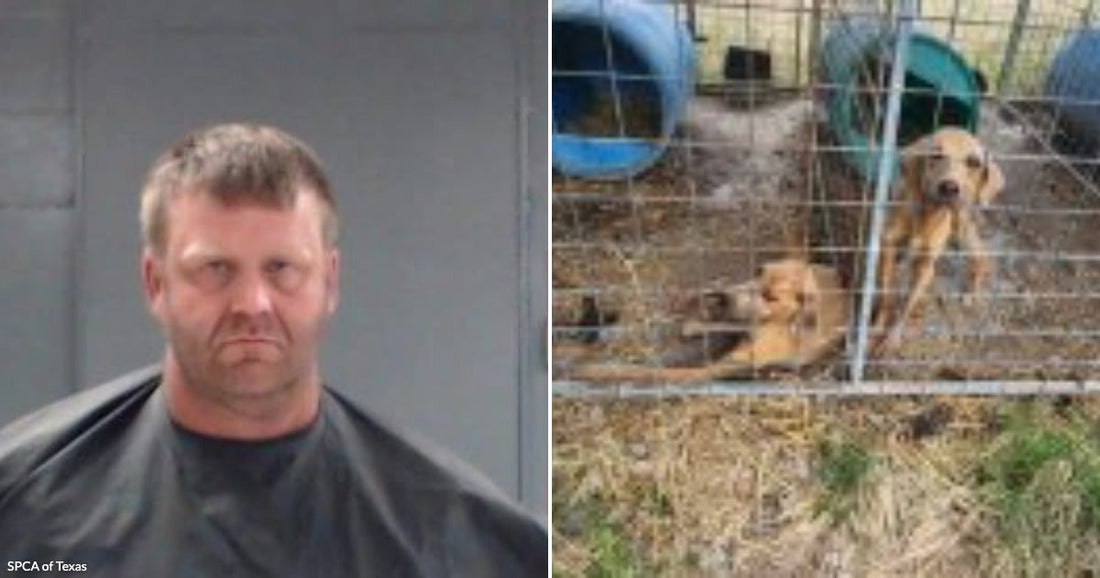
News of a Hunt County man arrested after emaciated dogs were rescued from his property has shaken many animal lovers in North Texas. The case of the starving and malnourished dogs found in Wolfe City is a painful reminder of how vulnerable animals are when no one is watching. At the same time, the swift response from authorities and advocates shows how a community can mobilize to protect those who cannot speak for themselves.
Authorities in Hunt County took action after receiving reports that multiple dogs were being kept on a property in conditions described as deplorable. When officials conducted a raid on the Wolfe City property, they found dogs confined in cages without food or water. The animals, more than half a dozen in total, appeared emaciated and clearly in distress. According to reporting from CBS News Texas, the scene made it immediately clear that the dogs needed to be removed for their own safety.

The man identified by authorities, Jake Stephen Davis, was arrested on animal cruelty charges and booked into the Hunt County Jail. His bond was set at $150,000. The charges center on the treatment of the dogs found on his property, and the legal process will determine the outcome of the case. For now, the focus for many people is on the animals and their recovery from severe neglect.
The SPCA of Texas stepped in quickly once the dogs were seized. A total of seven dogs were removed from the Wolfe City property and transported to the SPCA’s shelter in Dallas. Staff there began the careful and often lengthy work of nursing them back to health. Each dog arrived in a state of starvation and malnourishment, a sign that inadequate care had not been a brief lapse. The fact that all of the dogs have survived so far is a testament to the resilience of animals and the expertise of the veterinary and shelter teams that are caring for them.

SPCA of Texas
In cases like this, recovery is rarely simple. Severely malnourished dogs often need specialized feeding plans to avoid further health complications. Their bodies, weakened by lack of nutrition, respond best to gradual, closely monitored care rather than sudden refeeding. Beyond the physical healing, there is also the emotional toll. Dogs that have been confined, deprived of basic needs, or exposed to prolonged neglect may take time to relearn that people can be sources of safety rather than harm. I found this detail striking because it highlights how animal cruelty leaves both visible and invisible wounds.
The legal system responded not only by arresting the owner but also by addressing the immediate question of who would care for the animals. A judge granted emergency custody of the dogs to the SPCA of Texas. This decision ensures that the organization has the authority it needs to continue providing treatment, shelter, and stability while the case moves forward. Emergency custody is a critical step in cruelty investigations, because it protects animals from being returned to potentially harmful conditions and allows rescuers to make long term plans for their care.
As the dogs began their recovery in Dallas, the community in Hunt County made its feelings known. On Monday following the raid, about three dozen people gathered outside the Hunt County Courthouse. They demonstrated in support of stronger accountability and called for animal cruelty charges against the owner. This public response shows how deeply people care when they hear about starving and neglected dogs, especially in their own region. Demonstrations like this send a message that cruelty to animals is not a private matter but a community concern.
The protests at the courthouse took place against the backdrop of a broader conversation about how society handles animal cruelty. When advocates rally outside a courthouse, they often hope not only for justice in a single case but also for greater awareness in the long term. They aim to encourage neighbors to report signs of neglect, to support shelters and rescue groups, and to push for consistent enforcement of existing laws. The Hunt County protests reflect that wider call for vigilance and compassion.
This case also highlights the central role organizations like the SPCA of Texas play in cruelty investigations. Law enforcement officers can seize animals and pursue charges, but it is often nonprofit shelters that shoulder the daily responsibilities that follow. They provide medical treatment, behavior assessments, safe housing, and eventually, when possible, placement in permanent homes. Without such groups, many rescued animals would have nowhere to go once removed from dangerous environments.
Stories of animal cruelty are difficult to read, and some people may choose to look away because the details are painful. Yet awareness can help prevent future suffering. Recognizing what neglect can look like, such as animals that appear extremely thin, lack access to water, or are kept in cramped and dirty spaces, equips neighbors and community members to alert authorities when something seems wrong. While the specific events on the Wolfe City property are now in the hands of the legal system, the broader lesson reaches far beyond one county in Texas.
For the seven dogs seized from the Hunt County property, the immediate future is at least more hopeful than their recent past. They are receiving food, water, medical attention, and gentler daily handling than they likely have known in some time. Their story is not yet finished. There will be ongoing medical checks, perhaps surgeries, careful socialization, and eventually decisions about adoption or long term care. Many people following the case are focusing on that hope, rooting for each dog’s recovery and for a future defined by care rather than cruelty.
At the same time, the arrest of the owner and the outcry from residents serve as a reminder that laws and enforcement matter. When a community expects that animal cruelty will be investigated, charged, and taken seriously, it sets a standard for how animals should be treated. The Hunt County case touches on issues of responsibility, compassion, and accountability, all centered on beings who could not protect themselves. For anyone who has ever cared for a pet, it can be difficult to imagine dogs left without food or water, trapped in cages and growing thinner by the day. The response from law enforcement, the SPCA of Texas, and the demonstrators outside the courthouse shows that many people are unwilling to accept such suffering in silence.
As the legal proceedings continue, those seven dogs in Dallas stand at the heart of the story. Their condition when they were found, their survival against the odds, and the network of people now working to help them all illustrate the impact that vigilance and compassion can have. Their rescue may also encourage others to speak up when they see signs of neglect or abuse. In that sense, the case in Hunt County is not only about what went wrong on one property, but also about what can go right when a community refuses to look away. Read more at https://www.cbsnews.com