
Former Restaurant Workers Share Orders They Say They Would Never Eat
Guest Contributor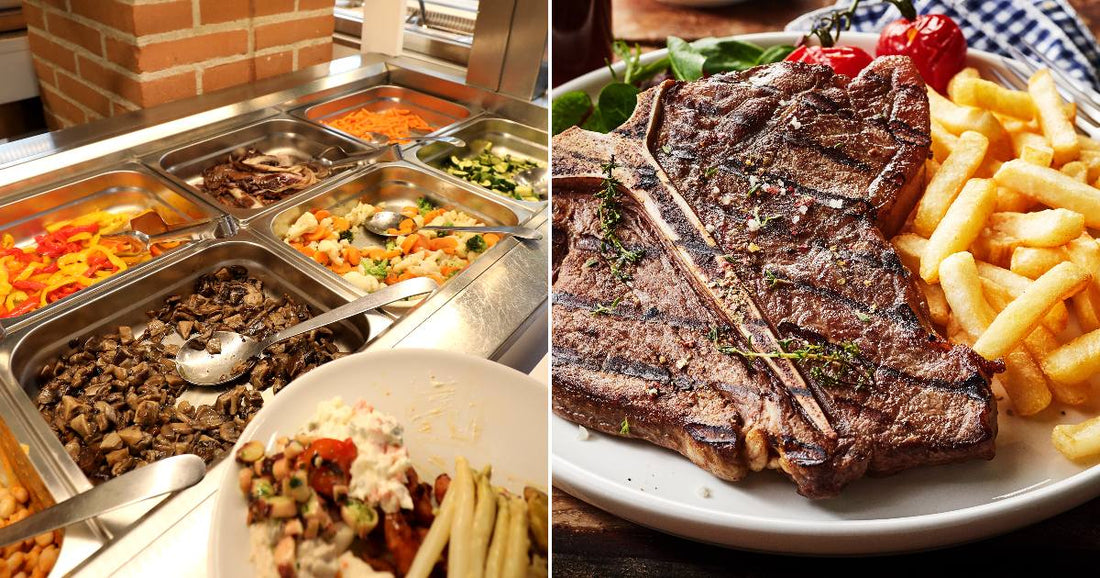
Anyone who has ever worked in a restaurant tends to walk away with stories, and not all of them make you hungry. A recent collection of accounts from former employees has sparked conversation about the restaurant foods they personally avoid, from daily specials to certain fast food items. These ex-workers share behind the scenes details that may change how some people approach buffet pizza, seafood specials, or that tempting McRib on the menu. While these observations reflect individual experiences rather than universal rules, they highlight patterns that are worth considering the next time a server hands you a menu.
One recurring theme is the caution around daily specials. Several former restaurant workers suggest that specials often exist to move ingredients that are close to the end of their usefulness. The idea is not that all specials are unsafe, but that they are sometimes a creative way for a kitchen to avoid waste. According to these accounts, customers might unknowingly be paying a premium for dishes built from leftover components. That does not mean every chalkboard special is suspicious, yet it offers context for anyone who likes to know exactly what they are getting.

Seafood appears several times in these employee reflections, especially seafood served at places that are not dedicated seafood restaurants. One Reddit user summed up their skepticism with a blunt question about where some of these establishments are sourcing items like lobster. The implication is that if a restaurant does not typically handle large volumes of seafood, its ordering and storage practices around fish and shellfish may not be as robust as a specialized seafood venue. Another restaurateur reportedly admits that when customers see a seafood special, it can mean the current stock is on its last day before a new delivery arrives. From that perspective, seafood specials may sometimes be a sign that the kitchen is trying to clear inventory rather than showcase something especially fresh.
Not all of the comments target a type of cuisine. Some point to specific menu items at certain chains. A former Texas Roadhouse employee, for example, advises steering clear of the Porterhouse T-Bone steak. According to their account, it is the only steak at that restaurant that is not hand cut in house. Instead, they say it arrives frozen and is widely understood among staff to be a lower quality option compared to the freshly cut steaks. This contrast between hand cut and preprocessed meat highlights how the same restaurant can offer both standout and less impressive choices side by side.

Buffet setups come under scrutiny as well, with pizza buffets being a particular target. A former Cici’s employee notes that the pizzas laid out on the buffet line may have been sitting for an hour or more. From a texture and flavor standpoint, that amount of time under heat lamps often leads to dried out cheese, tired toppings, and limp crust. The same worker suggests that customers are usually better off requesting a fresh, made to order pie rather than relying on whatever slices remain on the buffet. That strategy can mean a short wait, but likely yields a much better pizza experience.
Some of the most vivid descriptions focus on condiments and side items that most people rarely question. One former Subway employee describes the chain’s mayonnaise as arriving in large industrial bags. Over time, they report that strange lumps can develop inside those bulk containers, an image that understandably sticks in the mind. Although mass produced condiments are common across the industry, this detail has led at least a few readers to reconsider how freely they ask for extra mayo on a sandwich. It is a small reminder that the simplest ingredients can have the least transparent handling processes.

A similar theme surfaces in a description of the McRib at McDonald’s. A worker describes it as a preformed slab of processed meat that sits in a trough of barbecue sauce inside a heat cabinet. According to this account, it often remains there longer than many of the chain’s other products. For fans of the McRib, this may not be surprising, since the sandwich is famous for its processed texture and limited time appearances. Still, the image of a pre-shaped patty soaking in sauce until someone orders it adds an extra layer of context to an already polarizing menu item.
Former employees weigh in on Tex-Mex fast food as well. At Taco Bell, one worker singles out the beans and red sauce, explaining that the beans arrive in a form that becomes crusty after sitting out for extended periods. The staff then revives the mixture with hot water. This approach helps the restaurant maintain quick service, but it also means the end result may not resemble freshly cooked beans. In another example from a different chain that promotes its non GMO ingredients, one ex worker focuses on the chicken used in burritos. They claim that the chicken is sometimes undercooked and link this to past illness outbreaks at the chain. While this is a single perspective rather than an official statement, it underscores why proper cooking temperatures are a persistent concern in the food industry.
Even ice, which many customers assume is harmless, ends up on this informal list of items to skip. One former worker warns that unless a person has actually watched staff disassemble and scrub the interior of an ice machine, there is a good chance mold or other buildup is lurking out of sight. Ice machines can be difficult to clean thoroughly and are easy to overlook during busy service. For some diners, this insight may prompt a preference for bottled drinks without ice, at least in places where cleanliness practices are unclear.
Pulling these stories together, a few patterns emerge. Items that sit for long periods, such as buffet pizzas or preheld meats, seem riskier from both a taste and quality standpoint. Products that arrive preprocessed or in bulk packaging, like certain steaks or condiments, may sacrifice freshness for convenience. Seafood specials and dishes made from ingredients nearing the end of their shelf life can be clever ways to reduce waste, yet they may also be less appealing to customers who prize peak freshness. I found this detail striking because it shows how operational efficiency and culinary quality can sometimes pull in different directions.
At the same time, it is important to recognize the limits of these accounts. They come from specific locations, specific points in time, and individual voices on Reddit. Not every restaurant handles food the same way, and many establishments invest real effort in safe, high quality preparation. For diners, perhaps the most practical takeaway is not to swear off entire cuisines, but to stay observant. It can be useful to notice how busy a place is, how often buffet trays are refreshed, whether staff appear attentive to cleanliness, and whether a restaurant is known for a particular specialty, such as fresh seafood. Asking a server which items are most popular or which dishes the kitchen is proudest of can often lead you to the safest and tastiest options on the menu.
In the end, the foods these former employees would never order reflect their own thresholds for risk and their personal experiences behind the scenes. Their stories encourage a more informed perspective on daily specials, fast food innovations, and even that innocent scoop of ice. For anyone who loves dining out, these insights do not have to inspire fear, but they may justify a bit more curiosity about what really goes on before a plate lands on the table.