
💜 Thanksgiving Food Drive for Shelter Pets Help Us Feed 1 Million Shelter Pets!
Maine First Responders Rescue Sick Young Bald Eagle Fighting Lead Poisoning
Guest Contributor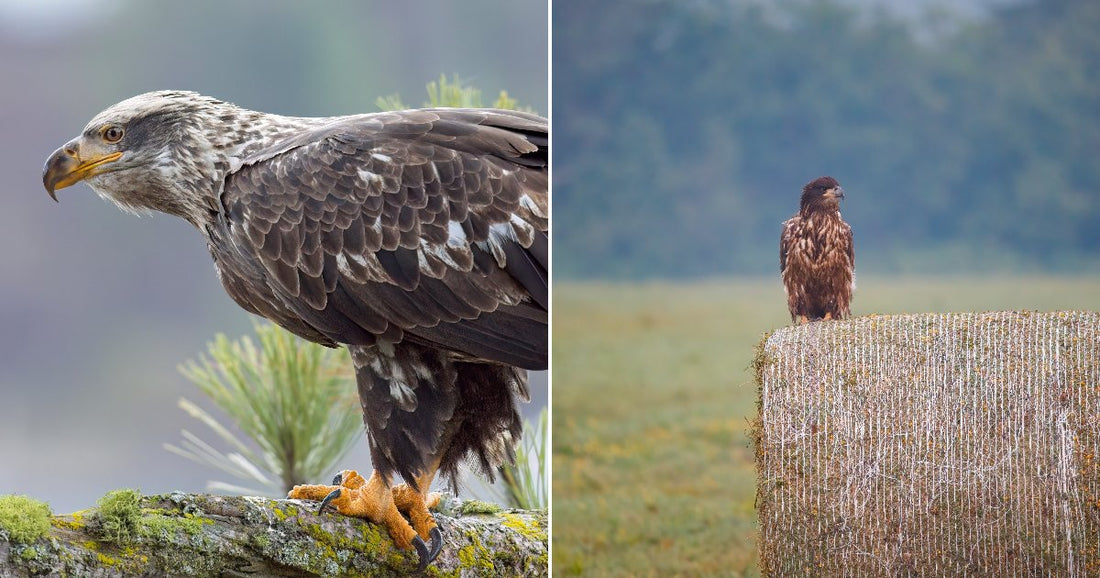
A young bald eagle in Ogunquit, Maine, has captured the hearts of local residents, not for a majestic flight over the coastline, but for a fight to survive. This juvenile bird, once a familiar sight along the scenic Marginal Way, is now in intensive care being treated for lead poisoning. As the town keeps watch and sends quiet well wishes, the story of this eagle’s illness and ongoing recovery highlights both the vulnerability of wildlife and the power of a community that cares.
According to reports from the Ogunquit Fire Department, residents began noticing that the eagle was not acting normally. People had grown used to seeing the bird in the Marginal Way area, a beloved oceanfront path known for its sweeping views and coastal wildlife. When the eagle’s behavior shifted from confident and alert to lethargic and unwell, those same observers quickly recognized that something was wrong. Their concern set in motion a response that might ultimately save the bird’s life.

After receiving several calls about the struggling eagle, both the police and fire departments in Ogunquit responded. Their goal was to safely capture the bird and get him to a place equipped to provide the specialized care that a raptor in distress would need. That careful effort succeeded. Responders were able to secure the juvenile bald eagle without further harm and transport him to the Center for Wildlife in Cape Neddick, a regional resource that evaluates and rehabilitates injured or ill wild animals.
At the Center for Wildlife, staff determined that the eagle was dealing with lead poisoning. This diagnosis explained the unusual behavior that residents had reported, from weakness to possible disorientation. Lead poisoning in eagles is a serious condition that does not resolve quickly. The fire department’s update emphasized that removing lead from an eagle’s system is a slow process and requires highly specialized treatment and close monitoring. I found this detail striking, because it underscores how a single unseen hazard can threaten an otherwise strong and capable bird.

The young bald eagle is now in intensive care, where trained professionals are working to support him through the long recovery process. While specific treatments were not detailed in the report, the focus on the slow nature of lead removal suggests that this is not a situation with an instant fix or guaranteed outcome. Even so, there has been some encouragement. The fire department shared that the eagle is showing signs of improvement, a hopeful sign for everyone following the story from Ogunquit and beyond.
For residents who had grown attached to seeing the eagle along the coast, hearing that he is improving provides a welcome bit of good news. This bird had become a regular part of life along Marginal Way, making the landscape feel a little wilder and more alive. When he suddenly fell ill, the community response showed how quickly people can rally around a wild creature that has become a familiar neighbor. The calls, the rescue, and the updates from local officials all reflect a sense of shared responsibility and care.

The Ogunquit Fire Department has expressed hope that, if circumstances allow, the juvenile bald eagle can eventually be returned to his coastal home. That possibility gives this story a clear point of focus. The idea of the same bird once again soaring over the shoreline, after a period of intensive care and rehabilitation, is a powerful image. It connects the specialized medical work happening behind the scenes with a very visible outcome that locals and visitors alike might one day witness.
For people who want to follow the eagle’s journey more closely, there is a direct way to do so. The report explains that anyone interested in checking on his progress can visit the Center for Wildlife’s website and look him up using his admission number: 26-2107. This detail turns a general story about an injured animal into something concrete. Community members and anyone moved by the account can track his recovery, giving them a deeper sense of connection to both the eagle and the work of the rehabilitation center.
Stories like this remind readers that even iconic symbols of strength such as bald eagles are not immune to the hidden hazards in their environment. While the original report focuses specifically on this one bird in Ogunquit, the underlying theme is broader. Wild animals often depend on human observation and timely action when something goes wrong. Here, residents noticed unusual behavior, local departments coordinated a safe capture, and a specialized wildlife center stepped in with professional care. Each part of that chain was essential.
The mood surrounding this young bald eagle is a mix of concern and cautious optimism. He remains in intensive care for lead poisoning, a condition that may require extended treatment, but early signs of improvement offer hope. As the town awaits further updates, the eagle’s story has already become a quiet reminder of compassion in action along Maine’s coast. Whether he returns to Ogunquit skies or not, the combined efforts of residents, first responders, and wildlife professionals have given this bird a chance to recover.
For those interested in more information on this and other local stories, the original report encourages readers to continue following coverage through NEWS CENTER Maine’s streaming app and mobile app, which provide updates on news, weather, and traffic across the region. Read more at https://www.yahoo.com