
Couple Faces Felony Charges After Nearly One Hundred Animals Found In Horrific Conditions
Guest Contributor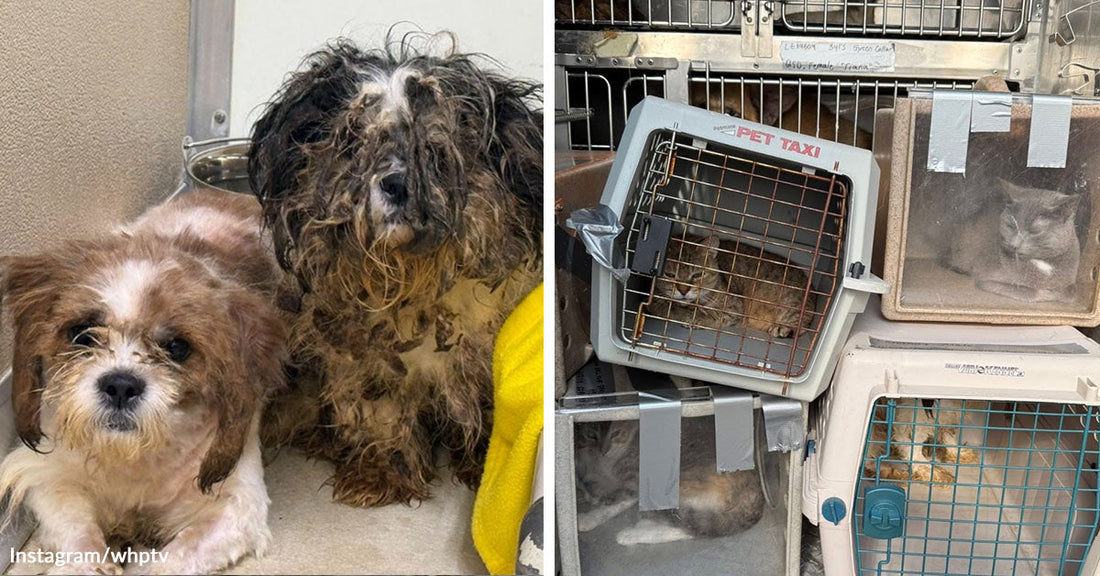
Nearly one hundred animals removed from a Lancaster County home is not the kind of headline anyone wants to read, yet it reflects a reality that many communities still confront. In this case, a joint effort by the Pennsylvania SPCA’s Animal Law Enforcement team, the Lancaster County Sheriff’s Department, and West Hempfield Township police led to the rescue of 93 animals from a residence on High Ridge Road in West Hempfield Township. The scale of the response and the conditions that investigators reported highlight why animal cruelty and neglect remain urgent issues for both law enforcement and the public.
The case began with a simple but crucial act. According to the Pennsylvania SPCA, the investigation was triggered by a tip from a concerned resident who reported troubling conditions inside the home. That single report set in motion a process that ultimately removed 76 dogs and puppies, 15 cats and kittens, and two Flemish rabbits from the property. I found this detail striking because it underscores how a vigilant neighbor or passerby can make a lifesaving difference for animals who cannot speak for themselves.

When officers first arrived at the residence, they did not need to step inside to know that something was seriously wrong. Responders reported detecting a strong and foul odor outside the home that grew more intense as they approached the front door and attached garage. Through a window, they observed several dogs that appeared to be in distress. The animals reportedly showed heavy matting, patches of hair loss, and coats in poor condition. These early observations were enough to prompt further action, leading authorities to obtain a search warrant.
Executing that warrant confirmed that the concerns were justified, and the reality inside the property was even more severe than the first impressions. Officers described piles of excrement and pools of liquid throughout the interior of the home. A fenced porch and the garage were said to be coated in feces. Multiple dogs had been confined to crates in these areas, including a German shepherd and her puppies in a crate filled with feces. The description of these conditions paints a picture of animals living in an environment that was not only unsanitary, but also potentially hazardous to their health.
Once authorities were inside, the details remained consistent and deeply troubling. Many of the 93 animals were reportedly covered in fecal matter, with extreme matting, fur staining, hair loss, and scabbing noted by officers. The water sources that were available to the animals were described as contaminated with excrement. Some animals were found living in hutches or crates that had been zip tied shut, limiting their ability to move and making it clear that they were unable to escape these conditions on their own. These specific observations form the basis for what may become formal charges of animal cruelty and neglect.
The Pennsylvania SPCA indicates that possible charges in this case could include failure to provide sanitary shelter, clean water, and appropriate veterinary care. These are fundamental requirements for responsible animal care, and they mirror what many local and state laws define as minimum standards for humane treatment. In situations like this one, animal cruelty is not based on a single moment of mistreatment, but on a sustained pattern of deprivation and neglect.
Once removed from the property, all 93 animals were signed over to the Pennsylvania SPCA. This transfer of custody is a critical step, since it allows the organization’s teams to move forward with comprehensive forensic medical examinations. These examinations serve two important roles. First, they help determine the immediate medical needs of each dog, cat, kitten, and rabbit that was rescued. Second, they document the animals’ conditions in a detailed and objective way, providing evidence that can be central to any future legal proceedings.
At the time of the report, officials noted that more information about the animals’ medical status and any resulting charges would be released after these examinations were complete. This reflects the careful process that typically follows a large-scale rescue operation. It is not enough to simply remove animals from harmful conditions. Authorities must also understand the full extent of their injuries or illnesses in order to plan treatment, rehabilitation, and, where possible, eventual adoption or placement in stable environments.
Cases like the Lancaster County animal rescue remind communities that animal cruelty investigations often rely on partnerships. In this instance, the Pennsylvania SPCA’s Animal Law Enforcement team worked alongside the Lancaster County Sheriff’s Department and West Hempfield Township police. Coordination among different agencies can be essential when a situation involves nearly one hundred animals, a private residence, and evidence that must be documented for both welfare and legal reasons. Each group brings different skills and authorities, from executing search warrants to providing specialized animal care.
There is also a quieter lesson present in the account of this investigation. The foul odor outside the home, the sight of distressed dogs through a window, the crates described as filled with feces, and the contaminated water sources all serve as warning signs that anyone might encounter in their own neighborhood. Many animal protection organizations emphasize the importance of noticing and respectfully reporting possible neglect. A single call or online report can initiate an inquiry that may rescue not just one animal, but dozens. This case illustrates how public awareness can intersect with professional animal law enforcement to change the outcome for animals living in dangerous and degrading environments.
While the focus understandably falls on the distressing conditions the animals endured, it is also important to recognize what comes next for them. Once in the care of the Pennsylvania SPCA, these dogs, cats, kittens, and rabbits gain access to clean shelter, safe water, and medical attention. The transition from a home filled with excrement and foul odors to a controlled, sanitary environment is an essential first step toward recovery. Rehabilitation can take time, especially for animals who have experienced extended neglect, yet each exam, each bath, and each treatment reflects a commitment to giving them another chance.
The Lancaster County rescue highlights both the vulnerability of animals kept in hidden, unsanitary conditions and the powerful role of coordinated intervention. It is a stark story, yet it reinforces a clear message. Concerned community members, local law enforcement, and dedicated animal welfare professionals all have a part to play in identifying cruelty, responding thoughtfully, and supporting the ongoing care of rescued animals. As officials continue their investigation and release more details about the animals’ recovery and any charges that may follow, this case stands as a reminder that vigilance and compassion can turn even the most troubling situations toward a more hopeful outcome for those who cannot advocate for themselves. Read more at https://www.yahoo.com