
🚨URGENT: Help People & Pets Affected by Devastating Floods in Texas! Rush Emergency Aid!
Shelter Dog Waits 740 Crushing Days Then Loses Her Home Again Just When Hope Finally Arrives
Guest Contributor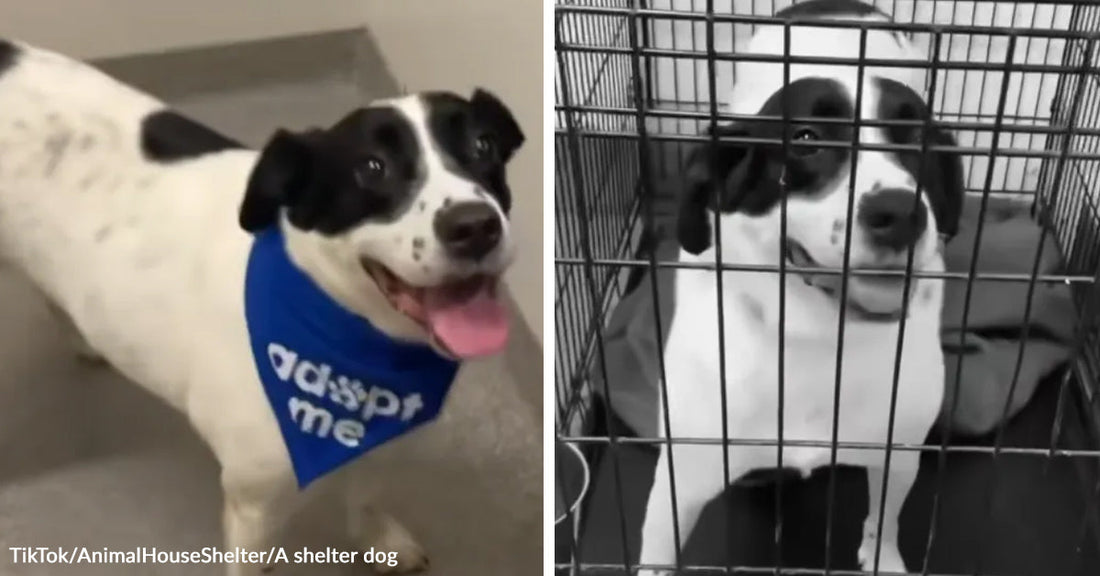
A dog who has spent more than 740 days in a shelter, hoping for a permanent home, carries a story that is both heartbreaking and deeply revealing about what long-term shelter life can do to an animal. Ella, a mixed-breed dog living at Animal House Shelter, a nonprofit no-kill rescue in Huntley, Illinois, has become a quiet symbol of all the long-term shelter dogs who wait and wait for a second chance. Her experience with adoption and return, along with the emotional toll of shelter living, highlights the challenges of finding the right forever home for dogs like her.
Ella’s journey began in July 2020, when she was brought to the shelter from Dyersburg, Tennessee, after being picked up as a stray. Staff at the shelter shared that very little is known about her life before that point. What is known is what they have seen firsthand. From the beginning, Ella was described as joyful and affectionate, the kind of dog who lights up around people she trusts. According to staff member Tabitha, Ella loves to play and snuggle with her favorite humans, greeting them with a full-body wiggle that makes it almost impossible not to smile.

Over time, that exuberant personality became one of the ways shelter staff coped with the steady stream of animals in their care. Ella was not just another face among many. She became a familiar presence, one of the longest-serving residents. In a TikTok video posted by Animal House Shelter under the handle @animalhousecenter, viewers see footage of Ella on her first day at the shelter, looking excited and hopeful. The clip then cuts to a more recent moment, where she appears dejected, sitting quietly in her kennel after more than 740 days without a permanent home.
The contrast between those two moments captures something that many people never see: the slow emotional weight that long-term shelter life can place on a dog. Even in a caring, no-kill environment, the daily reality is still one of kennels, noise, and an uncertain future. Staff members make every effort to give dogs walks, enrichment, and affection throughout the day, and Ella is no exception. Yet, as Tabitha explained, being in a kennel for such a long period inevitably takes a toll. Ella has her down days. She craves what so many companion animals seem to thrive on: the security of a familiar home, a cozy bed, quiet evenings, and a family of her own.
Research supports what shelters observe in dogs like Ella. A 2021 study published in the journal Animals evaluated canines who had lived in a shelter for twelve months or more. The findings suggested that while the physical health of these dogs did not necessarily suffer, their behavior often reflected elevated stress. They were more sensitive to acute stressors and had difficulty fully relaxing. Anyone who has spent time in a shelter environment can recognize how those findings match the lived reality of dogs who are there long term. Constant noise, frequent transitions, and the repetitive nature of kennel life can make it harder for them to settle, even if their basic needs are carefully met.
In Ella’s case, that stress is layered on top of an especially painful chapter in her story. She did not simply wait in the shelter for years with no prospects. She actually left once, adopted into a home that seemed to offer what she needed so badly, only to be returned later. The reason given for her return has been described by shelter staff as “crushing,” because it arose from traits that many people admire in dogs. Ella became protective of her family. She bonded deeply, and she wanted to keep her loved ones safe. That protectiveness, however, was misunderstood when visitors came to the home.
Protective behavior in dogs is often rooted in loyalty and attachment to their caregivers, yet it can become a source of concern if families are unprepared for how it looks in daily life. In Ella’s situation, her instinct to guard her people and space led to tensions that ultimately ended with her going back to the shelter. As Tabitha put it, the behavior stemmed from love and loyalty, but it cost Ella several chances at a forever home. For the staff who had watched her hope and grow attached to a new family, then return to the kennel, the emotional impact was significant.
I found this detail striking, because it captures the complexity of matching dogs with adopters. The qualities that make some dogs devoted companions can also be challenging without the right environment or guidance. It is not simply about whether a dog is “good” or “bad.” It is about whether the home matches the dog’s temperament, needs, and history. With a dog who has spent so long in a shelter and who forms such deep bonds, that matching process becomes especially important.
After these difficult experiences, the team at Animal House Shelter has become even more determined to make sure that Ella’s next home is truly permanent. They are realistic about the fact that this may take time, and it already has, but their priority is to set her up for long-term success. They have a clear view of what kind of environment will allow her to relax and thrive. According to Tabitha, Ella would do best in a calm, adult-only home where she is the only pet and can be the center of attention. She needs people who understand the importance of patience, structure, and consistent boundaries, and who are willing to appreciate the depth of her love rather than be alarmed by the way she expresses her protectiveness.
This focus on finding the “right fit” rather than the quickest placement is central to responsible rescue work. For long-term shelter dogs like Ella, a rushed placement can lead to disappointment for everyone involved and, most importantly, an emotional setback for the dog. A thoughtful adoption process that prioritizes compatibility helps reduce the risk of another return and gives the animal a chance to finally exhale.
Stories like Ella’s resonate for many reasons. They remind people that behind every shelter kennel door is an individual with a unique history, personality, and emotional life. Long-term shelter dogs are not in extended care because they are unlovable. Often, they simply require a particular kind of home, one that understands how to support them through stress, channel their loyalty appropriately, and allow their best qualities to emerge. Ella’s full-body wiggle, her love of snuggling, and her desire to protect her family are all part of who she is. In the right environment, those traits could make her an extraordinary companion.
For anyone considering adoption, Ella’s journey offers a gentle invitation to think deeply about what kind of dog will match their lifestyle and expectations. It also highlights the value of consulting with shelter staff, who know the animals in their care and can help guide potential adopters toward a dog whose needs and temperament align with their home. For Ella, the hope is that somewhere there is a household ready to give her the quiet, consistent, loving life she has been waiting for through more than 740 days of uncertainty.
Those who feel they might be the right match for a dog like Ella are encouraged to reach out to Animal House Shelter and learn more about her. Her story illustrates both the vulnerability and the resilience of long-term shelter dogs, and it serves as a powerful reminder that, with patience and understanding, even the most overlooked animals can finally find their place. Read more at Newsweek