
🚨Urgent: Missile Strikes Shelter in Ukraine! Rush Emergency Aid!
Dog Found Dead With Gunshot Wounds As Man Faces Cruelty Charge
Guest Contributor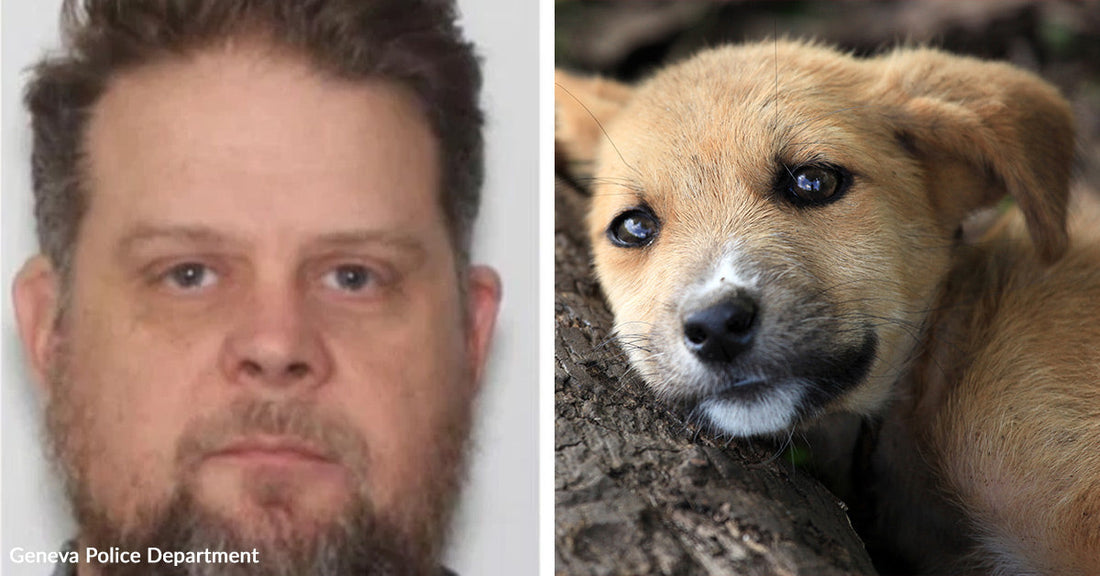
The recent case of a Geneva man charged with animal cruelty after a dog was found dead with gunshot wounds has shaken many people who care deeply about animal welfare. Local reports describe a disturbing sequence of events involving a beloved pet, firearms inside an apartment, and serious legal consequences. For anyone who has ever trusted another person to look after their animals, this story is particularly troubling. It has also drawn attention to how law enforcement and humane organizations respond when a dog is killed under violent and unexplained circumstances.
According to details released by the Geneva Police Department, officers were called to South Main Street in Geneva, New York early Monday morning to investigate what was described as a suspicious incident. The location was between Park Avenue and North Cloverleaf Drive. When officers arrived at the scene shortly after 7:20 a.m., they encountered a man in the road who was reported to be acting strangely and bleeding. Police identified him as 52-year-old Jason Bunnell.

As officers assessed the situation, they noticed a broken exterior window at Bunnell’s apartment. This detail prompted them to investigate further. Inside the residence, they discovered a deeply distressing scene. A dog was found dead, and investigators said the animal appeared to have suffered gunshot wounds. Nearby, officers reportedly located a firearm and multiple shell casings. They also saw several bullet holes in the apartment floor, suggesting that shots had been fired multiple times and in a way that posed potential danger beyond the immediate room.
Given what they observed, police obtained a search warrant to conduct a more thorough investigation of the apartment. After executing that warrant, they reported finding several long guns and handguns in the home. These discoveries led to initial criminal charges unrelated to the dog’s death, centered instead on weapon possession and public safety concerns tied to the gunfire in a residential area. Authorities charged Bunnell with two counts of criminal possession of a weapon as well as reckless endangerment. He was then transported to the Ontario County Jail to await arraignment while the investigation continued.
As details emerged, the Ontario County Humane Society became involved, focusing specifically on the death of the dog. Investigators learned that Bunnell had been watching two goldendoodles for his father, who was recovering from surgery and therefore unable to care for the dogs himself. The dogs were identified as Winston and Beau. The Humane Society reported that Winston was the dog who had been killed, while Beau appeared uninjured when responders entered the apartment.
The Humane Society’s investigators concluded that Bunnell had no justification to shoot Winston. Based on that determination, Bunnell now faces an additional charge of animal cruelty in connection with the dog’s death. That added count reflects the legal system’s recognition that animals are not property that can be harmed at will, but sentient beings protected under cruelty and neglect statutes. The allegation of unjustified violence against a dog entrusted to someone’s care resonates beyond a single household and into the broader conversation about how seriously society treats animal abuse.
To clarify Winston’s cause of death and document the nature of his injuries, the Ontario County Humane Society arranged for a necropsy at the Cornell Animal Diagnostic Center. A necropsy is similar to an autopsy, but for animals. It can confirm whether gunshot wounds were the direct cause of death, determine the number and trajectory of bullets, and reveal any additional injuries that might not be immediately visible. These findings can be important not only for the animal cruelty case itself, but also for understanding the full sequence of events inside the apartment that morning.
Meanwhile, Beau, the surviving goldendoodle, was removed from the home after officers and humane investigators confirmed that he appeared to be uninjured. The removal ensured that he would be safe while the criminal case moves forward. For many readers, the detail that one dog survived while the other was killed may highlight just how arbitrary and senseless such acts of violence can feel when there is no clear justification or explanation.
Police reported that Bunnell was treated at a local hospital for what were described as minor injuries, then returned to custody. As of Tuesday following the incident, the Humane Society stated that he remained in jail. Law enforcement officials have signaled that the investigation is active and that they are still open to receiving additional information about what happened. In cases involving gunfire, multiple weapons, and a deceased animal, witness statements and community tips can sometimes fill in gaps that physical evidence alone cannot fully explain.
The combination of animal cruelty charges and weapon possession charges in this case has prompted discussion about the intersection of public safety and humane treatment of animals. Criminal possession of a weapon and reckless endangerment suggest that authorities are concerned not only about the harm done to Winston, but also about the potential risk to neighbors or others living nearby. Bullet holes in an apartment floor can indicate that shots might have traveled into other units or common areas, creating the possibility of unintended injury. This pattern of alleged conduct underscores why such incidents tend to draw a swift and serious response from police.
From an animal welfare perspective, the Geneva dog shooting raises familiar yet painful themes. People often rely on family members or friends to care for their pets during illness, recovery from surgery, travel, or other disruptions to daily life. That trust is foundational. When an animal is harmed while in someone else’s care, especially in such a violent manner, it can feel like a double betrayal: a violation of the pet’s safety and of the trust placed in the caregiver. I found this detail striking, because it speaks to how deeply intertwined human relationships are with the lives of the animals they share.
The role of the Ontario County Humane Society in this case also illustrates how partnerships between law enforcement and animal protection organizations function in practice. Police are equipped to handle the criminal and public safety dimensions, such as securing the scene, recovering weapons, and making arrests. Humane investigators contribute specialized knowledge about animal injuries, welfare laws, and the documentation needed to support animal cruelty charges. The decision to send Winston’s body to a diagnostic center at Cornell reflects a methodical approach that aims to base any future courtroom proceedings on clear, scientific evidence.
For community members in Geneva and beyond, this story may prompt renewed awareness of the signs of potential animal abuse and the importance of contacting authorities when something appears to be wrong. While the full picture of what led up to Winston’s death may take time to emerge, the steps taken so far show that both the alleged misuse of firearms and the killing of a dog are being treated as serious offenses. As the legal process continues, many will be watching to see how the courts address the combination of weapon charges, reckless endangerment, and the specific allegation of unjustified cruelty to an animal whose life depended on human care.