
🚨Urgent: Missile Strikes Shelter in Ukraine! Rush Emergency Aid!
Missing Bulldog Reunites With Family Three Years After Vanishing Without a Trace
Guest Contributor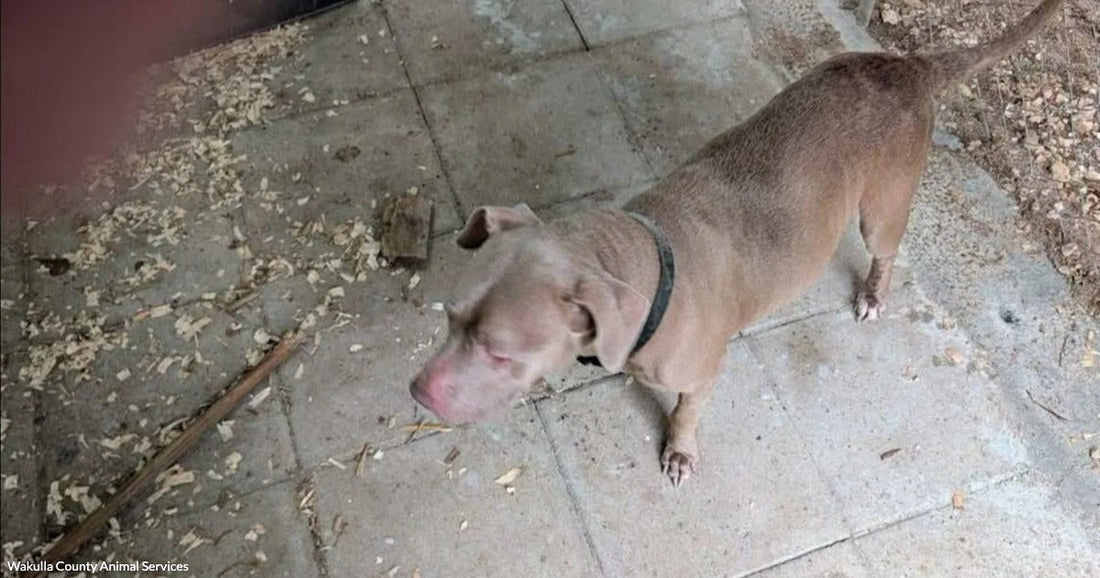
A missing pet story that ends in a joyful reunion feels rare enough, but when it involves a bulldog gone for three years and found in a tiny town, the outcome is especially heartwarming. In this case, a family’s beloved bulldog named Ace went missing in Tallahassee, Florida and somehow resurfaced years later in a nearby community. Thanks to a simple microchip scan at a local shelter, Ace was finally reunited with his family, who now live hundreds of miles away in Houston. For anyone who cares about animal welfare, responsible pet ownership, or the power of microchipping pets, this story offers a hopeful reminder of what can happen when small, routine actions line up just right.
According to reporting from the Tallahassee Democrat, Ace disappeared from his home in Tallahassee and was gone for around three years. For most families, that amount of time would likely feel like an eternity. Pets become part of daily routines and emotional lives, so a sudden loss like that often leaves a lasting ache. Over time, many owners feel forced to accept that they may never see their animal again. The article notes that this is a common reality. Walter Class, director of Wakulla County Animal Services, explained that owners often move on or give up on being able to locate their lost animal, especially after several years without any promising leads.

In Ace’s case, his story took an unexpected turn in a very small community. The report states that he was discovered in a town of roughly 500 residents about 35 miles from where he originally went missing. For three years, his whereabouts and experiences remain unknown, yet the small town became the setting for his return to safety. A local resident noticed Ace and reached out to Wakulla County Animal Services. That single act began the chain of events that would eventually reunite the bulldog with his family.
Once Ace was in the care of Wakulla County Animal Services, the staff followed a standard procedure. They scanned him for a microchip, something many shelters and veterinarians do almost automatically when a stray or unknown animal arrives. This routine step is often quick and unremarkable, but in Ace’s situation, it turned out to be transformative. The chip contained his registered information, which revealed that he had been classified as missing for about three years and connected him to an owner who no longer even lived in Florida.

Class explained that it is unusual to see such a long time pass between an animal going missing and being successfully reunited with its family. People move, records can become outdated, and hope naturally fades. Yet the director also pointed out that some owners never completely give up hope. He described this reunion as one of those uncommon but meaningful outcomes, saying there is always a chance that a dog will show up again. I found this detail striking, because it underscores how microchip technology quietly preserves that chance, even when circumstances and geography change.
The discovery that Ace’s owner now lived in Houston might have complicated things if identification had relied solely on a physical tag or a local phone listing. Instead, the microchip registration provided enough information for staff at the shelter to reach out and confirm his identity. From there, they were able to coordinate a reunion across state lines. The family learned that the long-missing bulldog they once knew in Tallahassee had finally been found, not only alive but safe in the care of animal services workers who had taken the time to check for a chip.
This story illustrates why microchipping pets has become such an important part of responsible animal care. Collars and tags can slip off, break, fade, or be intentionally removed. A collar is still valuable for quick visual identification, but it depends on staying attached and readable. A microchip, by contrast, is placed under the animal’s skin and designed to remain with them for life. When a shelter or veterinary office scans the chip, they can pull up registration information in seconds, allowing them to contact the owner and verify details.
The article also highlights the broader impact that successful reunions can have on animal shelters and communities. When pets like Ace find their way back to their original families, it reduces the number of animals that shelters need to house long term. This can free up space, staff time, and financial resources for other animals in urgent need. It also helps prevent a situation in which a lost but adoptable pet is treated as an unclaimed stray and placed for adoption or left in a crowded facility. Every successful reunion opens a spot for another animal to receive care.
Community involvement plays a significant role in these outcomes. In Ace’s case, a resident in the small town took the time to contact animal services instead of ignoring the stray dog or assuming that someone else would handle the situation. Shelter workers, in turn, did not treat the intake as a routine formality. They followed established procedures and scanned for a microchip, which is a simple step that can easily be overlooked during busy moments. The story serves as a reminder that ordinary people, performing ordinary actions, can make the difference between permanent separation and a joyful homecoming.
The reporting also emphasizes that microchips should not be a “set it and forget it” solution. Veterinarians can and should scan existing chips during regular visits to confirm that they are still readable and properly placed. This quick check ensures that if a pet ever goes missing, the chip will function as intended. The article additionally mentions that keeping recent photos and clear records of a pet’s markings can help with identification, especially when social media posts, local flyers, or shelter visits become part of a search effort.
Ace’s return to his family, now living in a different state, shows how all of these pieces work together. A family chose to microchip their bulldog. A local resident in a tiny town chose to call animal services. Shelter staff chose to follow their intake protocol. The microchip system functioned as designed, and the information was still current enough to reach the owner. The result was a reunion that many people in similar situations never get to experience. Stories like this one encourage pet owners to see microchipping not as an optional extra but as a reliable safeguard that can bridge distance, time, and unexpected life changes.
For anyone who has ever worried about a pet getting loose, slipping out of a yard, or vanishing during a move or a storm, Ace’s journey from Tallahassee to a small town and eventually to Houston offers a hopeful message. The process that brought him home was not dramatic or high-tech in appearance. It relied on a tiny implanted chip, a scanner, and a few people willing to do the right thing. In a busy world, that kind of quiet diligence might be easy to overlook, yet it can mean everything to a family waiting for a knock on the door or a phone call that brings their animal back where it belongs. Read more at https://malaysia.news.yahoo.com