
💜 Thanksgiving Food Drive for Shelter Pets Help Us Feed 1 Million Shelter Pets!
An Endangered Right Whale Just Got Named After Dolly Parton
Guest Contributor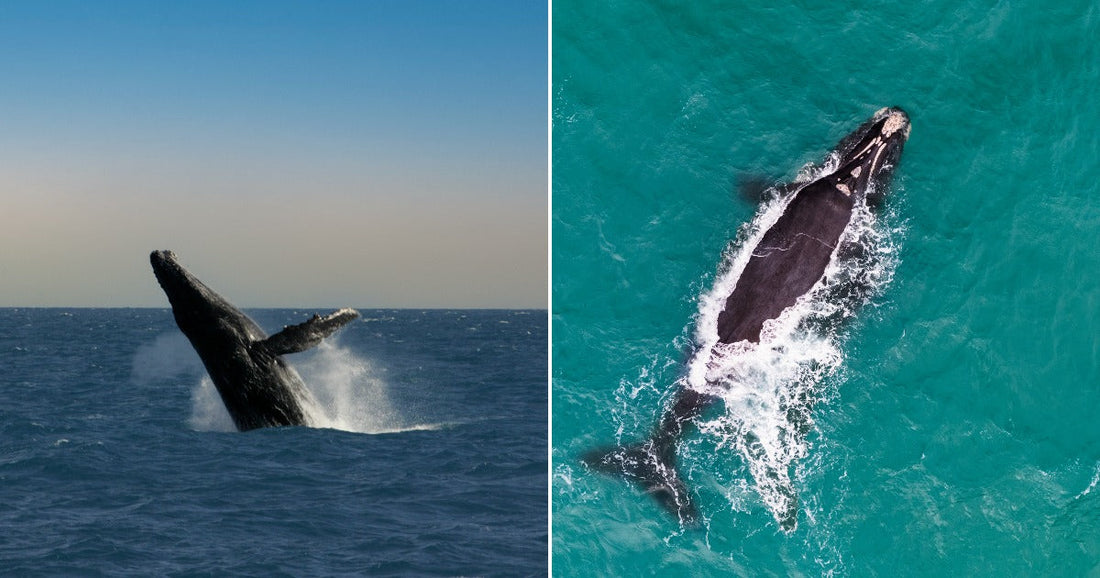
The world of North Atlantic right whales gained a little more personality this week, even as scientists delivered another sobering update on their future. At the annual meeting of the North Atlantic Right Whale Consortium in Nova Scotia, researchers unveiled a new set of names for 20 individual whales in this critically endangered population. These names, like Dolly and Donegal, highlight both the charm and the vulnerability of a species that now numbers an estimated 382 animals, a figure that reflects a continuing decline.
Each North Atlantic right whale is first known by a four-digit number in the North Atlantic Right Whale Catalog, a science driven system that helps researchers track individuals across years and oceans. The catalog is curated by the New England Aquarium, and for selected whales, a partnership with Whale and Dolphin Conservation leads to something more memorable than a numeric code. Those chosen receive names that reflect their appearance, their stories, or the places where they were seen, transforming an entry in a database into a living, recognizable individual.

The 2026 naming group illustrates how a simple label can capture an entire narrative. This year’s list includes Grand Slam and Slide, both daughters of a whale already known as Fenway. The sports themed cluster instantly paints a picture of an extended family swimming through coastal waters, each generation linked by a shared naming tradition. Names like these may seem light hearted on the surface, but they function as tools that make it easier for scientists, advocates, and the public to remember and talk about specific North Atlantic right whales.
One of the most striking new additions is whale #4191, now called Dolly. Researchers noticed that the callosity pattern across the front of her head evokes the famously voluminous hairstyle of Dolly Parton. Her mother already carries the name Marilyn Monroe, another nod to a legendary blonde celebrity. Together, they form a kind of oceanic mother daughter duo, familiar by reputation even to those who have never set foot on a research vessel. I found this detail striking because it shows how a bit of playfulness can coexist with careful scientific observation.

These names emerge from close study of each whale’s body. Callosities the rough, pale patches on a right whale’s head and chin create unique patterns that function like fingerprints. Scars from entanglements or vessel strikes can also shape what a whale is eventually called. This year many of the newly named whales have animal themed identities such as Hippo, Snail, Goose, and Seal. Those images may echo the impression a whale makes in the water or the distinctive look of its markings, and they help non specialists visualize the animals more clearly. In the process, an abstract “whale #” becomes a character that people can remember and care about.
Donegal, another of this year’s highlighted whales, embodies both the reach of this species and the risks it faces. He was first documented in Donegal Bay off the coast of Ireland before later being observed off Massachusetts, a journey that hints at the wide ranging travels of North Atlantic right whales across the Atlantic. Donegal’s story is not just about movement across thousands of miles, though. Scientists recently saw him in noticeably poor health. Extensive fishing gear entanglement and deep propeller scarring have left lasting marks on his body, making him easy to identify but also reminding observers of the human related dangers that shadow this species.

Stories like Donegal’s underscore why population estimates draw such close attention. At the same meeting where names like Dolly and Hippo were celebrated, scientists released an updated count for the species. They now estimate that about 382 North Atlantic right whales remain. That number reflects roughly a two percent decline, a small sounding change that carries serious weight for a population already on the brink. In conservation biology, each percentage point can represent multiple animals, each with its own history, behavior, and potential contribution to future generations.
Researchers attribute the ongoing decline largely to human caused threats. Gear entanglements are a persistent hazard when whales encounter fishing lines or ropes as they travel through busy coastal waters. These encounters can lead to slow, debilitating injuries or death. Vessel strikes present another major risk, especially in areas where whales and ships share the same routes. The scars and entanglement marks that inspire some of the catalog’s most recognizable names are visible signs of how often whales and human activities intersect.
Within that context, the act of naming right whales takes on a deeper meaning. It is not only a method for cataloging individual animals for long term study, although that is vital for tracking health, migration, and survival. It is also a storytelling tool that helps connect people to an otherwise distant conservation challenge. Remembering that Donegal was seen in Ireland, then later off Massachusetts, makes the idea of marine migration concrete. Knowing that Dolly’s callosity pattern reminded scientists of Dolly Parton turns an anatomical detail into a moment of recognition. Each name invites curiosity about where that whale has been, what it has endured, and what it needs in order to survive.
From a communication standpoint, this approach also strengthens public engagement with North Atlantic right whale conservation. Specific, relatable names can make news about population trends or new regulations more accessible. It is easier to care about the fate of Goose or Seal than about a number in a spreadsheet, and that increased attention can support broader discussions about safer fishing practices and vessel operation in whale habitats. While the article’s focus remains on events at the consortium meeting and the grim reality of a declining population, the presence of these named individuals keeps the narrative grounded in living, breathing animals rather than statistics alone.
The tension between celebration and concern runs through every detail, from Fenway’s growing family to Donegal’s injuries. On one hand, the unveiling of new names is an occasion that reflects careful observation, collaboration between institutions, and maybe even a bit of joy at recognizing each whale as unique. On the other, the updated count of 382 individuals and the clear role of human caused harm emphasize how fragile this species remains. Together, those elements describe a conservation story that is still unfolding, one where every named whale is both a symbol of resilience and a reminder of how much work is left to do.