


Two Red Wolves Arrive in North Carolina to Help Save One of the Rarest Animals on Earth
Guest Contributor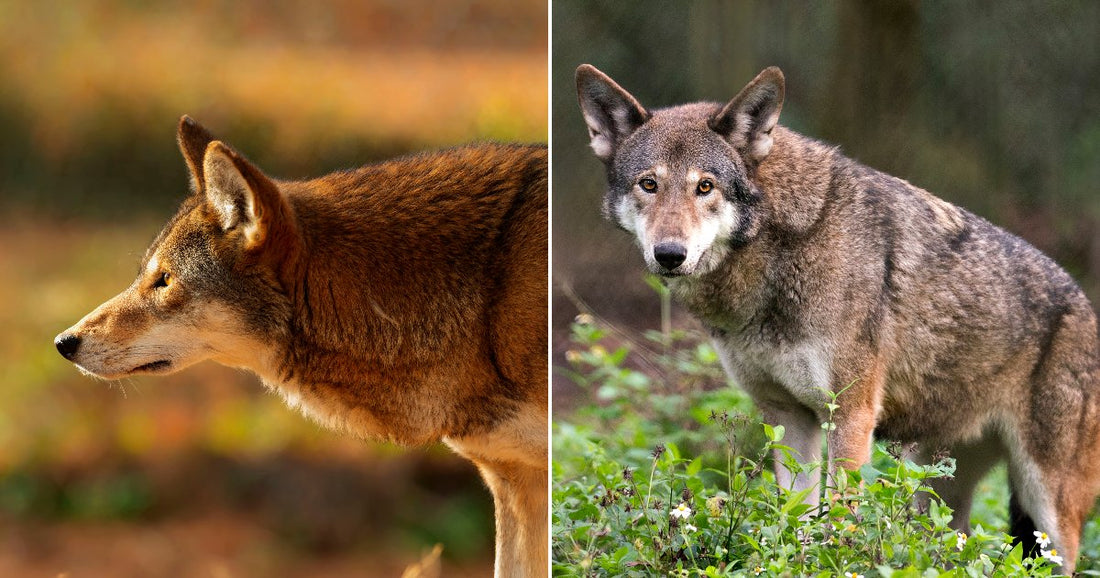
At a quiet corner of the North Carolina coast, an important new chapter is unfolding for one of the world’s most endangered mammals. Two new red wolves have arrived at Pocosin Lakes National Wildlife Refuge in Columbia, North Carolina, to join a carefully managed captive breeding program. For conservationists and wildlife enthusiasts alike, this news is a hopeful sign for the future of the red wolf population, a species that has teetered on the brink of extinction for decades.
The North Carolina Wildlife Federation shared that the newcomers are a 2-year-old female and a 3-year-old male red wolf. Both are now part of the Red Wolf Center at Pocosin Lakes, which plays a central role in the broader effort to protect and restore the red wolf in the wild. Red wolf conservation in North Carolina has become especially significant because this is the only place in the world where wild red wolves still roam free.

The female red wolf has roots close to home. She was born at the Museum of Life and Science in Durham, North Carolina, a facility that participates in the network of institutions working to safeguard this species. Staff at the refuge describe her as shy, and visitors rarely catch a glimpse of her. Shyness in a captive breeding setting can be a benefit, since a more reserved animal may experience less stress from human presence and may adapt more readily to the secluded conditions that often come with breeding and denning.
The male, by contrast, began life on the opposite side of the country. He was born in Tacoma, Washington, at a facility associated with Point Defiance Zoo and Aquarium. His journey from the Pacific Northwest to coastal North Carolina underscores how widespread and coordinated red wolf recovery has become. Facilities across the United States collaborate to provide genetic diversity, veterinary expertise, and specialized animal care, all devoted to giving this critically endangered species a chance to recover.

This season is particularly significant for the male, as it marks his first breeding season within the captive breeding program. The careful pairing of individual wolves is never random. Red wolf recovery teams take into account ancestry, temperament, health, and the overall needs of the population. Since there are so few known red wolves left, each potential breeding pair carries considerable importance for the long term survival of the species.
Conservationists estimate that North Carolina currently has about 21 known adult and subadult red wolves living in the wild, along with an additional 12 to 16 pups. These numbers are startlingly low, a reminder of how close the species has come to disappearing entirely. At the same time, the presence of pups each year offers a measure of cautious optimism. Every litter helps to maintain the fragile foothold red wolves still have on the landscape.

The staff at the Red Wolf Center and their partners recognize that a robust captive population is essential to the species’ survival. Captive breeding programs are designed to maintain genetic diversity, reduce the risk of inbreeding, and produce healthy individuals who could potentially contribute to the wild population in the future. The new pair at Pocosin Lakes adds fresh genetic lines to the Red Wolf SAFE population, an accredited network that focuses on Saving Animals From Extinction through coordinated, science-based efforts.
In describing what this moment means for the Red Wolf Center, NCWF Red Wolf Education and Outreach Coordinator Katerina Ramos emphasized both the scientific and symbolic importance of the new arrivals. She called it an amazing opportunity for the center to welcome a new breeding pair, highlighting how special it is that this work is happening in the only place on Earth where wild red wolves still live. Ramos also pointed to the potential expansion of the Red Wolf SAFE population as a key outcome, particularly in terms of preserving genetic diversity within such a small species.
I found this detail striking because it illustrates how recovery work is about more than just increasing numbers. For critically endangered animals, genetic diversity is a form of resilience. A genetically varied population has a better chance of surviving disease outbreaks, adapting to environmental change, and ultimately thriving without intensive human intervention. In that sense, the arrival of a single new wolf, or the successful formation of a single new breeding pair, can influence the trajectory of the species for decades to come.
Another notable element of this story is how the North Carolina Wildlife Federation is inviting the public to witness a portion of this process. The organization has set up a live camera feed that allows viewers to watch the two new red wolves remotely. For many people, the chance to see a red wolf, even on a screen, may be their first direct encounter with the species. This type of wildlife live stream can deepen public understanding of conservation, generate empathy for the animals, and foster support for long term habitat and recovery initiatives.
The live camera also provides a quiet counterpoint to the challenges that these animals face. While the feed may capture a wolf resting, exploring, or interacting with its companion, it also hints at the immense amount of behind-the-scenes work required to sustain a breeding program. Biologists, keepers, veterinarians, and educators collaborate daily to monitor health, manage diet, maintain enclosures, and ensure that the wolves’ physical and behavioral needs are met. Their work is grounded in patience and persistence, traits that are often invisible to the casual observer but are essential to conservation success.
The story of the two new red wolves at Pocosin Lakes is one chapter in a much larger narrative about the fate of this species in North America. Once native to a broad swath of the southeastern United States, red wolves lost nearly all of their habitat and were heavily persecuted. Extensive conservation efforts, including captive breeding and reintroduction, have slowly brought them back from the very edge of extinction. Today, the wild red wolf population in North Carolina is small, but it exists thanks to decades of coordinated, science-based action.
The arrival of this young female from Durham and this first-time breeding male from Tacoma is a reminder that progress in conservation often comes in measured steps rather than sudden breakthroughs. Each successful breeding season, each healthy pup, and each carefully formed pair contributes to a more secure future for the species. The work is far from over, but moments like this provide encouragement to everyone invested in red wolf conservation in North Carolina and beyond.
For anyone who wants to follow this story more closely, the North Carolina Wildlife Federation’s live camera feed offers an opportunity to witness a rare species enduring and, with care, slowly rebuilding. Observing these wolves from a distance can be a powerful way to connect with the fragile yet resilient world of endangered wildlife.