
🚨Urgent: Missile Strikes Shelter in Ukraine! Rush Emergency Aid!
Rescuers Think They Understand This Bear Cub’s Injury Until Surgery And X-Rays Reveal Something Horrifying Inside
Guest Contributor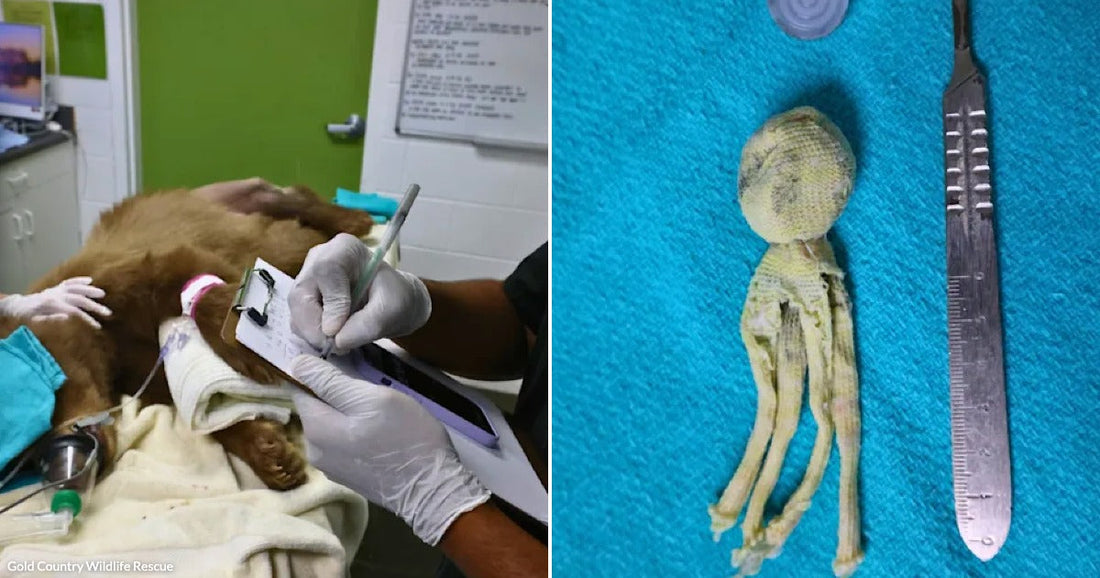
An orphaned black bear cub in California has become an unexpected symbol of both human harm and human care. What first looked like a relatively standard wildlife rescue turned into something far more alarming once veterinarians discovered a beanbag round and a plastic cap lodged deep in the young bear’s leg. The cub’s story highlights the complex work of wildlife rehabilitation in California, and the delicate balance rescuers must strike between helping wild animals heal and keeping them wary of people.
The cub’s journey to safety began in El Dorado County, where residents saw a small bear wandering alone for more than a week. There was no sign of its mother. According to Melissa McCartney, executive director of Gold Country Wildlife Rescue in Auburn, neighbors watched and waited in hopes that the mother bear would return. When she did not reappear, the California Department of Fish and Wildlife stepped in and captured the cub so it could be taken to a suitable rehabilitation center. The choice in this case was Gold Country Wildlife Rescue, a facility that frequently cares for orphaned bear cubs and other injured wildlife.

When the cub first arrived at the center, staff noticed it was limping and had an obvious wound on one leg. For a young black bear, injuries from falls, scrapes, or minor encounters with vehicles or fences are not unusual, and at first glance this case seemed to fit that pattern. Early imaging, however, revealed something more unusual. The scans showed a compact grouping of metal beads in the bear’s leg, a sign that the wound might be related to a type of projectile rather than a simple accident.
Despite this troubling discovery, the cub was still relatively active and the wound initially appeared to be healing on its own. With that in mind, and given the risks that surgery can pose to a stressed young animal, the team decided not to operate immediately. They continued to monitor the cub, providing care while giving its body a chance to repair itself. This cautious approach reflects a core principle of wildlife rehabilitation: intervening as needed without putting animals through unnecessary procedures.

Facebook/Gold Country Wildlife Rescue
The situation changed when the wound opened back up. At that point, surgery became necessary. Once veterinarians began the operation, what they found was startling. Embedded in the bear’s leg was a beanbag round along with a plastic shell cap. Beanbag rounds are a form of less-lethal ammunition usually used by trained law enforcement officers in attempts to deter or control animals and people without using standard bullets. According to reporting on the case, law enforcement officers in California are allowed to use beanbag rounds on adult bears in certain circumstances, but private citizens are not permitted to use them on these animals.
The discovery of a beanbag round in an orphaned cub raises troubling questions about what might have happened before rescuers arrived. The available information does not explain exactly who fired the round, when it was used, or under what conditions. What is clear is that the projectile and plastic cap remained in the cub’s leg long enough to cause both visible limping and hidden internal damage that only surgery could fully reveal. I found this detail striking because it shows how much can be going on beneath the surface of an injury that at first looks relatively simple.

Facebook/Gold Country Wildlife Rescue
Following the procedure, McCartney reported that the cub is now recovering. The wound continues to improve under the care of the rehabilitation team. If healing goes well and the cub remains strong, staff hope to introduce it to three other orphaned bear cubs already at the rescue center. The goal is for the young bears to socialize with each other, learn essential survival skills, and eventually be returned to the wild in El Dorado County when they are ready.
This outcome would mark a full circle for the cub: from wandering alone and injured, to undergoing delicate surgery, to joining other bears and finally heading back to its home habitat. The presence of the other cubs is important, because wildlife rescuers understand that young animals often learn best from members of their own species. Time spent with other orphaned cubs can help them develop normal bear behaviors, from foraging to establishing boundaries, while limiting their exposure to humans.
The story of this injured bear also reflects a broader challenge facing wildlife teams in California and beyond. Rehabilitation centers, government agencies, and community members all grapple with the same question: how can people help animals in crisis without making them too comfortable around humans? For bears in particular, the answer can mean the difference between long-term survival and future conflicts with people. Rescuers must treat wounds, bottle-feed orphans, and sometimes provide months of intensive care, yet they also work carefully to reduce talking, touching, and other interactions that might teach a bear to see humans as a source of food or comfort.
Recent reporting on other California wildlife cases underscores how high these stakes can be. At a different wildlife center in the state, orphaned bear cubs pushed rescuers to make a difficult decision about how best to keep them wild while still giving them a chance to survive. In another incident, a mother bear guiding her cubs through traffic prompted public calls for more wildlife overpasses and safer crossings. Each of these cases reveals a piece of the larger picture. Bears and other animals are squeezed between expanding human communities and the habitats they have used for generations. Rehabilitation work can save individual animals, but long-term survival often depends just as much on road design, land use, and public behavior.
The same questions apply to smaller predators and other species. One California case involving orphaned bobcat kittens focused on keeping the animals wild enough to return home. Rescuers needed to ensure the kittens did not grow up seeing humans as companions, even though those same humans were their only chance at survival after they lost their mother. This tension runs through almost every wildlife rehabilitation story: the deep urge to help combined with the responsibility to release animals that are truly prepared for life on their own.
The orphaned bear cub from El Dorado County now represents both the risks animals face and the care they can receive when people intervene responsibly. The discovery of a beanbag round and plastic cap in its leg is a sobering reminder that human tools, even those labeled “less-lethal,” can leave lasting damage on wildlife. At the same time, the careful imaging, surgical expertise, and ongoing rehabilitation at Gold Country Wildlife Rescue show how much effort and skill goes into giving a single young bear a second chance at a wild life.
In the end, this cub’s recovery highlights a hopeful path forward. When communities stay alert to animals in distress, when agencies respond quickly, and when rehabilitation centers have the resources they need, injured and orphaned wildlife have a much better chance of returning home. The challenge for all involved is to pair compassion with restraint so that these animals, once healed, can walk back into the forests, mountains, and open spaces of California still wary of people and fully capable of living as the wild beings they are meant to be.