
Alleged Breeder Arrested After Dead Dogs Found In Phoenix Apartment
Guest Contributor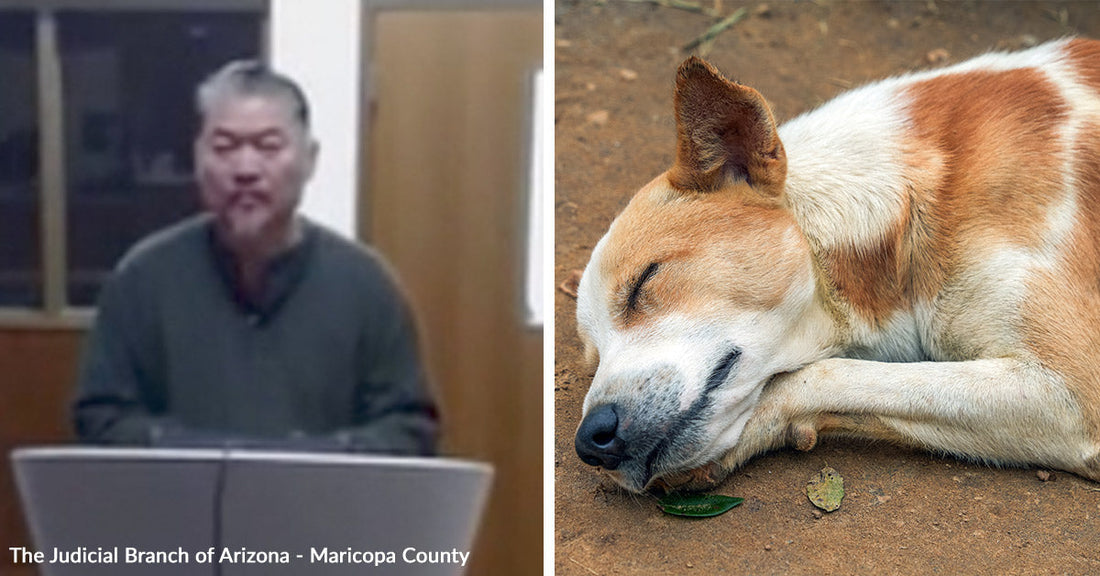
The recent arrest of an alleged breeder in Phoenix, where dead and starved dogs were found in converted apartments, is a tragic reminder of how quickly animal neglect can escalate into cruelty. According to police and Humane Society staff, what began as a reported dead dog led to the discovery of multiple underweight dogs, filthy conditions, and several deceased animals. Cases of animal cruelty like this one highlight the urgent need for responsible pet ownership, ethical breeding practices, and community vigilance.
Police and Humane Society officers first went to the property near Seventh Avenue and Indian School Road on December 19 after receiving reports of a dead dog and other animals in distress. The building, which had been converted into apartments, contained two units that immediately raised alarm for responders. Court and police documents described a grim scene: feces and urine throughout the units, no drinking water for the animals, and a total of nine underweight dogs with matted fur who appeared neglected and hungry.

Inside the apartments, investigators found two dead dogs. A third dead dog was discovered in a city trash can outside. These details underscore that this was not a case of a single oversight. It appeared to be a situation in which animals had suffered over a period of time, both from lack of care and from the conditions in which they were forced to live.
Two tenants who lived in the converted home spoke to authorities and described what they had witnessed. They said they had seen signs of abuse and eventually decided to contact police. Both tenants reported that the man accused of the abuse, 53-year-old John Lewis Kai, was not just a neighbor but their landlord. That proximity made their observations particularly unsettling.
One tenant, who chose to remain anonymous, said they often heard the dogs. According to this witness, the animals were constantly barking and yelping, and the landlord did not let them out often, mentioning that it may have been only twice a day. The tenant added that the dogs had no food and no fresh water. When neglect is described in such basic terms, the cruelty is stark. Simple necessities like food, clean water, and regular access to the outdoors were reportedly absent.
The tenants told investigators they believed Kai was breeding and selling the dogs. They explained that when potential buyers came to see puppies, they were shown only one cleaner unit. Buyers were reportedly not taken beyond this space to see the other animals or the full conditions in which the dogs were kept. I found this detail striking because it suggests not only neglect but a deliberate effort to conceal the harsher reality from outsiders.
One tenant expressed sorrow for the animals, stating that they felt bad for them. Both witnesses also emphasized that they did not understand how severe the situation had become until recently. Once they saw the extent of the conditions, they contacted authorities. Their decision to speak up illustrates how important it is for tenants, neighbors, and community members to report suspected animal abuse or neglect. Sometimes people only see or hear fragments of what is going on behind closed doors, and it can be difficult to judge when a situation has crossed a line. In this case, once the seriousness became clear, those witnesses helped bring the situation to light.
Officers returned to the property several days later on December 23 and took Kai into custody. According to police, he now faces 16 counts of animal cruelty, including a count related to killing an animal. Legal outcomes are determined over time, but the number and nature of the charges reflect how seriously law enforcement treated this case.
After being read his rights, Kai spoke with investigators. A police report states that he admitted to breeding the dogs and told officers he had become overwhelmed. He reportedly said he believed three of the dogs had died of parvovirus, a highly contagious canine disease commonly spread through contact with infected feces. Parvovirus is a serious and sometimes fatal illness, especially in puppies or unvaccinated dogs. Its mention in this context also highlights the importance of basic veterinary care, vaccinations, and sanitary conditions in any breeding or multi-dog environment.
Following his arrest, Kai was booked into the Maricopa County Jail on a $10,000 bond. Authorities indicated that if he is released while the case is pending, he is barred from having contact with animals. Conditions like this aim to protect other animals from potential harm while the legal process moves forward. The dogs that survived were taken into the care of the Humane Society, where they can receive medical attention, proper nutrition, and a safe environment.
For those who care deeply about animal welfare, one of the few consolations in such a case is knowing that surviving animals have a chance at recovery and eventual adoption. While the article does not describe their current conditions in detail, rescue organizations typically focus on stabilizing animals’ health, addressing infections and malnutrition, grooming severely matted coats, and gradually helping dogs learn to trust people again.
The tenants who came forward said they hope prosecutors and the courts hold Kai accountable. One tenant expressed a desire for the court to see the case through, saying that he needs to be held responsible and that what happened is not acceptable. Their words reflect a broader public expectation that animal cruelty is treated as a serious offense, not a minor issue.
Stories like this one bring attention to several broader concerns. First, they underscore the risks associated with irresponsible or unregulated breeding. When someone breeds dogs without adequate resources, time, or knowledge, the animals can suffer quickly. Second, the case highlights the crucial role of witnesses and neighbors. Without the two tenants recognizing the severity of the situation and contacting authorities, the dogs might have remained in those conditions, unseen by the wider community.
Finally, this incident serves as a reminder that animal cruelty can exist in everyday settings: converted apartments, residential streets, and familiar neighborhoods. It is not always obvious from the outside. For anyone who hears persistent distress sounds from animals or notices unusual odors, repeated signs of neglect, or suspicious activity around pets, contacting local authorities or a humane society can be a life-saving step. Alerting professionals allows them to investigate, assess the situation, and, if needed, intervene.
The investigation into this Phoenix animal cruelty case is ongoing. As the legal process continues, the hope is that the surviving dogs will heal and find safer homes, and that the outcome in court will reinforce the importance of humane treatment for all animals. Addressing cases like this with seriousness, compassion, and due process can help prevent future neglect and support a community standard where cruelty is not tolerated.