
🚨Urgent: Missile Strikes Shelter in Ukraine! Rush Emergency Aid!
Dead Horse Found As Five People Face Animal Cruelty Charges
Guest Contributor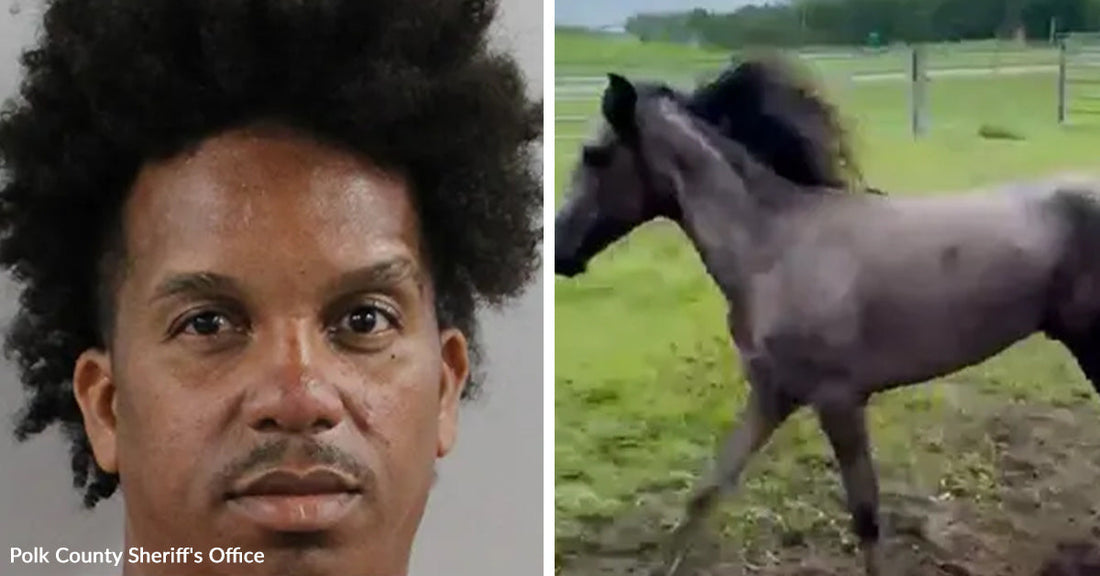
The recent Polk County animal cruelty case involving neglected horses and goats is a sobering reminder of how quickly living beings can suffer when basic care is ignored. According to authorities, deputies in Lake Wales, Florida responded to a tip about malnourished horses and discovered what the sheriff later described as "deplorable" conditions on a rural property. Stories like this one about horses and goats seized for animal neglect highlight both the vulnerability of animals and the vital role that ordinary community members play in speaking up.
The Polk County Sheriff's Office reports that the case began with a concerned person who saw two horses in a field that appeared extremely thin. Investigators followed up on the tip on Sunday, June 1, and visited a property off Poe Road near Lake Wales. What they found went far beyond two underweight horses. Authorities say they located eight horses, eleven goats, and two sheep on the property, along with a scene that suggested long-term neglect and unsafe living conditions.

By the time detectives arrived, one of the horses was already dead. Several other animals appeared to be in poor condition, which investigators interpreted as signs of ongoing lack of proper food, water, and care. The Polk County Sheriff's Office has handled a number of animal cruelty cases in recent years, but in this instance, officials said the overall environment itself appeared hazardous, potentially compounding the animals' suffering.
Deputies describe finding piles of solid waste across the property. These piles included rotting household trash, scrap metal, waste wood, and broken appliances. Dozens of discarded items, including twenty three tires, were reportedly strewn about the land. Authorities say the accumulation of decaying garbage and debris had attracted hundreds of flies, adding to what was already considered a dangerous and unhealthy setting for both animals and humans.
One disturbing discovery mentioned by investigators was a trough filled with a liquid mixture of antifreeze and gasoline. According to the sheriff's office, this contaminated trough leaked into the water that the animals were using for drinking. Antifreeze and gasoline can be toxic if ingested, and the presence of such substances in or near a water supply poses a serious threat to animal health. The report from law enforcement suggests that these environmental hazards were not isolated, but rather part of a broader pattern of disregard for safe and sanitary conditions.
On site, detectives spoke with 40 year old Joemanuel Nunez Suarez, who, according to the sheriff's office, said he had been caring for the animals on behalf of a friend. Nunez Suarez reportedly told deputies that he had asked this friend to remove the livestock three months earlier because the cost of feeding them had become too high. Despite that claimed request, authorities say the animals remained on the property and were left in increasingly poor condition. Based on what they observed and documented, investigators arrested Nunez Suarez on charges of felony animal cruelty, misdemeanor animal cruelty, and confining animals without proper food, care, or sustenance.
Deputies also encountered four other adults on the property. According to the Polk County Sheriff's Office, these individuals were taken into custody on a mix of animal neglect, resisting arrest, and environmental crime charges. Authorities identified them as Barbara Suarez, who faces charges of animal neglect and resisting arrest, Hennycha Rosa Rosa, who is charged with resisting arrest, and two others, Jorge Almeida Rodriguez and Idanys Queveto, who both face environmental crimes charges. While the exact nature of each environmental offense was not detailed in the initial report, their inclusion underscores how the condition of the land itself had become a matter of legal concern.
In addition to the animals and the adults, investigators say children were also living on the property. Officials described them as residing in "various structures," although the exact number of children and their current custodial arrangements were not specified. The mention of children in the same environment as hazardous waste, decaying trash, and contaminated water raises serious questions about safety and welfare that go beyond animal cruelty alone. The sheriff's office has not yet released further details on what steps were taken or which agencies may be involved in ensuring the children's well being.
Polk County Sheriff Grady Judd addressed the case in a public statement. He expressed appreciation for the tip that brought the situation to the attention of law enforcement, emphasizing that without community involvement, many instances of animal neglect might go unnoticed. Sheriff Judd lamented that authorities were unable to save the horse that had already died by the time deputies arrived. He also pledged that the sheriff's office and related partners would work to rehabilitate the surviving animals and to seek measures that would prevent the suspects from owning animals in the future.
A spokesperson for the sheriff's office, Carrie Horstman, noted that the majority of their animal cruelty investigations begin with anonymous tips. In her statement, she pointed out that livestock, such as horses and goats, are often kept in open fields or pastures where neighbors and passersby can see them, which makes it especially important for people to speak up if they notice signs of neglect. I found this detail striking because it highlights how a single phone call from someone willing to act on their concern can initiate an entire investigation and potentially save multiple animals from worsening harm.
This incident serves as an example of how environmental hazards and animal cruelty can intersect. The presence of rotting trash, scrap metal, tires, and toxic substances all around the property appears to have created a setting that was dangerous for animals and likely unhealthy for humans. At the same time, the death of one horse and the condition of the others illustrate the consequences when animals are left without consistent food, clean water, and basic veterinary attention. Animal cruelty cases involving horses and goats remind communities that large animals require substantial ongoing care, and that financial hardship or neglect can quickly lead to severe suffering if there is no timely intervention.
For readers who keep animals or who live in rural areas, this story can be taken as encouragement to stay observant and informed. Recognizing obvious warning signs like visible ribs from malnutrition, lack of access to clean water, or living spaces overwhelmed by accumulated waste can make a difference when reported to the proper authorities. Tip lines and animal services exist so that people do not have to investigate or intervene on their own. Instead, they can alert trained professionals who have both the legal authority and the resources to act.
As this Polk County investigation moves forward, the focus will likely remain on two parallel goals. One is ensuring that the surviving horses, goats, and sheep receive appropriate rehabilitation and medical evaluation, an effort that may involve local veterinarians and animal welfare organizations. The other is navigating the legal process for those charged in connection with the case. In the meantime, the details released so far already tell a powerful story: a neighbor saw something that did not look right, said something, and helped bring relief to animals living in what authorities describe as filth and neglect.