
Rapper Positive K Finds a New Purpose in Caring for His Mother With Alzheimer’s
Guest Contributor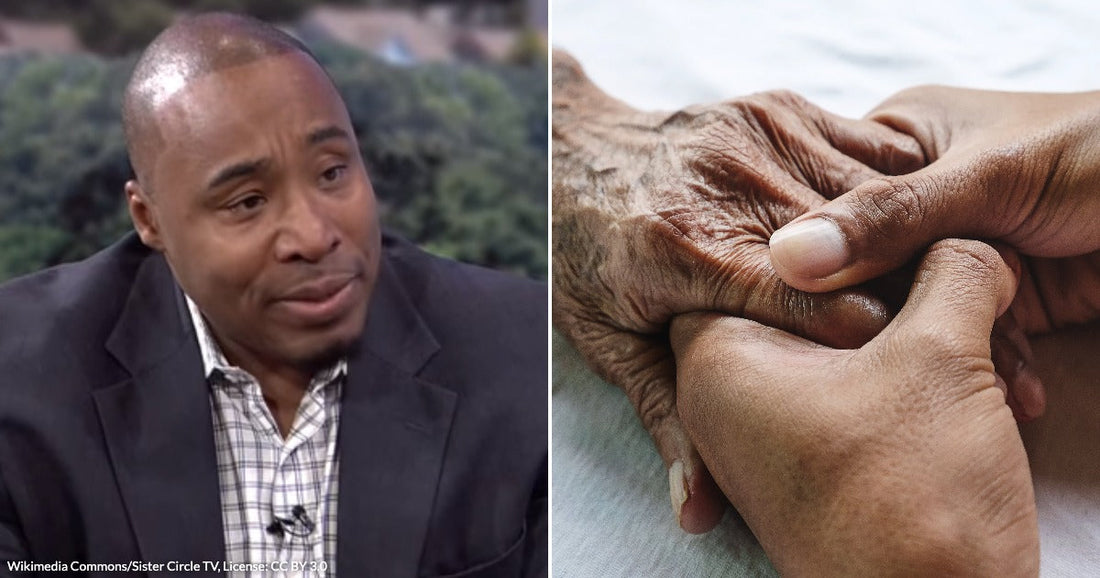
In the early 1990s, rapper Positive K was best known for one thing: making people move. With his hit “I Got a Man” and a promising music career, he toured the country alongside rising stars like Jay-Z and enjoyed the momentum that comes with success in the entertainment industry. Decades later, his life is defined by something far quieter yet far more profound. Instead of focusing on charts and tours, he now pours his energy into caring for his mother, Julie, who has been living with Alzheimer’s disease. His journey as a caregiver, and as a son, shows how the impact of Alzheimer’s reaches far beyond medical charts and into the heart of family life.
Positive K, whose real name is Darryl Gibson, describes this chapter of his life not as a detour, but as a calling. He refers to caring for his mother as his “assignment in life,” and he is clear that he does not see it as a burden. According to Gibson, it is not a responsibility in the narrow sense of a duty that weighs him down. It is something he feels chosen to do. Alzheimer’s is a progressive disease that affects memory, cognition, speech, and mobility, and Julie has experienced all of these changes over the years. Watching this decline has not been easy. Yet Gibson frames his role with a sense of gratitude and purpose that reshapes how many people might think about caregiving.

Wikimedia Commons/Sister Circle TV, License: CC BY 3.0
Alzheimer’s disease often unfolds slowly. Families watch small changes accumulate into larger challenges: a forgotten name, a misplaced item, a repeated question, then more serious shifts in communication and physical ability. Gibson describes this reality directly. His mother’s mobility has been limited, her speech has been impacted, and her cognitive abilities have been steadily affected. For many caregivers, these changes can feel relentless. The article highlights that Gibson has had difficult days as he adapted to the demands of caregiving, which is an experience many in similar situations will recognize. Still, he emphasizes that within that difficulty, there are meaningful moments worth holding on to.
One of those moments of meaning appears in an unexpected place: fashion. As his mother’s needs changed, Gibson learned to manage daily routines from personal care to medical appointments. Along the way, he discovered a knack for styling his mother’s outfits. It may sound like a small detail, but it captures something powerful. Choosing clothes, coordinating colors, and helping her look and feel like herself became both an act of care and a creative outlet. In a situation often marked by loss, this became a way for him to bring joy and dignity into her day. I found this detail striking because it shows how caregiving is not only about tasks, but about preserving identity and shared moments of happiness.
Gibson also reflects on how this experience changed his understanding of what truly matters. He explains that caring for his mother grew into something larger than their individual relationship and larger than his music career. In his view, it became bigger than any romantic relationships, performances, or professional aspirations he might have had. He describes stepping into this role consciously, recognizing its weight but also its meaning. That kind of reordering of priorities often happens in families facing Alzheimer’s. Careers, social lives, and plans for the future can all shift around the needs of the person living with the disease. Gibson’s story makes that reality concrete, while still centering the deep bond between him and his mother.

Even with love and commitment, caregiving can be isolating. Gibson acknowledged that he could not do it alone. When his mother first became ill, he reached out to relatives and others he thought might provide guidance and support. The organization that most effectively answered his call was the Alzheimer’s Association Georgia Chapter. Their presence in his story underscores an important truth about Alzheimer’s care. Families benefit profoundly from education, emotional support, and practical resources that help them navigate a complex, evolving disease. Gibson credits the association with helping him understand that caregiving is a team effort, not a solitary burden.
He puts it simply. “Caregiving affects everyone,” he explains. The effects reach beyond the primary caregiver to other family members, friends, and communities. It shapes daily schedules, financial decisions, and emotional dynamics. That broad impact is precisely why he stresses the importance of having a team. For those who do not have a close-knit family nearby, he notes that organizations like the Alzheimer’s Association can fill that gap and become a critical part of the support network. His message is clear: no one should have to face Alzheimer’s caregiving alone.
While Gibson is fully committed to his current role, he has not abandoned his first passion. The article notes that he hopes to return to music full time in the future. What will be different, he suggests, is the person he brings back to that stage and studio. Caring for his mother, with all its challenges and rewards, has changed him. He believes it has made him a better man, a better decision-maker, and a better son. This kind of personal growth is a dimension of caregiving that often gets less attention than the exhaustion or stress, yet it resonates deeply in his story. The skills and insights he has developed at home are ones he intends to carry with him into every area of his life.
Gratitude is a recurring theme in how Gibson talks about his experience. He says that if you approach caregiving with gratitude, it does not feel like a job. Instead, it becomes rewarding, even in the midst of hardship. For many caregivers, that perspective can be difficult to adopt, especially when faced with behavioral changes, safety concerns, or the emotional weight of watching a loved one’s abilities fade. Gibson does not deny those realities. Rather, he reframes them, emphasizing that he is thankful to be the one providing care. He goes so far as to say he is thankful that he was chosen, highlighting a sense of honor in being able to be by his mother’s side.
His story also connects individual caregiving to broader community efforts, such as the Walk to End Alzheimer’s at Piedmont Park. Events like this raise awareness and funds for research and support services, while also offering a chance for caregivers, families, and advocates to come together. They serve as visible reminders that while Alzheimer’s can feel deeply personal and private, many others are walking a similar path. Participating in such events, or supporting them through donations, can turn individual stories of struggle and dedication into a collective movement for understanding and change.
Ultimately, Positive K’s journey with his mother shows that life after a high-profile career can be just as meaningful, though in very different ways. The same determination that helped him succeed in music now sustains him through the slow, demanding work of caregiving. His story does not romanticize Alzheimer’s, yet it insists that love, purpose, and even creativity can still flourish in its shadow. For anyone facing a similar journey, his example reinforces a vital message: seek support, accept help, honor the person behind the diagnosis, and, when possible, face the assignment with gratitude. Read more at https://www.atlantanewsfirst.com/2026/10/29/beyond-music-positive-ks-journey-with-alzheimers/