
A Rare Owl Family Captivated Manhattan Before Water Tower Work Left Their Nest Exposed
Guest Contributor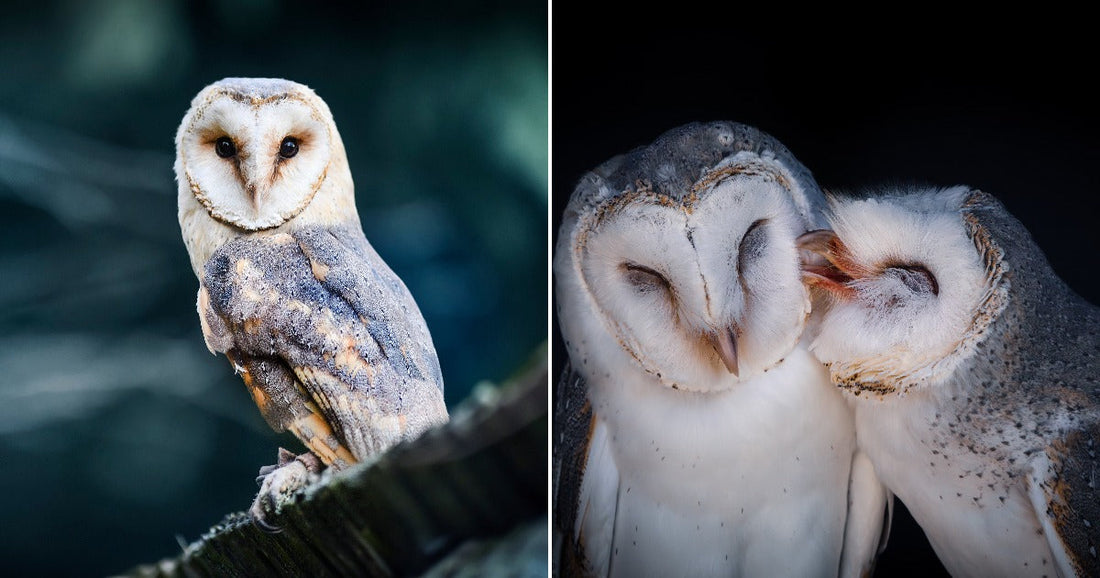
The quiet removal of the roof of a water tower in Manhattan’s Upper West Side has turned into a deeply emotional story about a rare family of barn owls, urban wildlife protection, and what happens when human activity collides with vulnerable species. At the center of this unfolding event is a “celebrity” barn owl family that had captured the imagination of New Yorkers and birders, becoming a symbol of how wild creatures can find tenuous refuge even in one of the world’s densest cities. For anyone who cares about urban nature, the disappearance of that protective roof is more than just a construction decision. It feels like a rupture in a fragile success story of a rare barn owl nest in Manhattan.
For weeks, the barn owl family had been nesting inside the roofed water tower on top of a residential building in the Upper West Side. Word of their presence spread quickly, drawing crowds to the street below. Nature photographers and curious passersby gathered in the hope of catching a glimpse of the elusive birds as they emerged from their hidden roost. According to local bird advocates, this was believed to be the first documented case of barn owls nesting in Manhattan in modern history, which made the discovery both scientifically important and emotionally powerful.

The roof of the tower provided shelter and darkness that suited the owls’ nocturnal habits. Every evening, they would leave the nest under cover of night, and every morning they would retreat. People watched, shared photos, and posted updates on social media. The owls quickly joined the short, cherished list of wildlife that have become unofficial celebrities in New York City, standing alongside figures like Flaco the Eurasian eagle-owl and Pale Male the red-tailed hawk in the city’s collective imagination.
That sense of shared joy shifted suddenly when, on a recent Thursday, observers realized that work was taking place at the top of the building. According to reports received by NYC Bird Alliance, residents and birders began alerting the organization early in the day. When Jessica Wilson, executive director of NYC Bird Alliance, arrived on the scene, she found that the top of the water tower had been removed. The once-sheltered barn owl nest was now exposed to the open air, and the protective enclosure that had allowed the owls to raise their young appeared to be gone.

Wilson observed one barn owl fledgling on the roof of a nearby building, visible in the middle of the day. That sight alone signaled that something was wrong. Barn owls are nocturnal, and as Wilson explained, fledglings “should not be out in the middle of the day.” In her assessment, the young bird had been disturbed from the nest after the roof was taken off. She did not see any other fledglings at that time, which heightened concerns about what had happened inside the tower and where the rest of the brood might be.
Enforcement officers from the New York State Department of Environmental Conservation arrived as well and were able to access the building’s roof with the superintendent’s permission. The department later stated that its police officers confirmed the roof of the water tower had been removed, leaving the nest exposed. They issued a clear instruction to the building owner to halt any further demolition of the water tower until an investigation into possible violations could be completed.

Key questions remain unanswered. It is not yet clear who owns the building or who ordered the removal of the water tower’s roof, and the building’s superintendent declined to comment. One local resident, Thomas Obersteiner, reported seeing a man with an extension cord climbing down from the tower around midday, but no workers were present when advocates and officials arrived. The timing, the lack of immediate explanation, and the known presence of an active barn owl nest have created a sense of distress among those who had been following the birds’ story closely.
Public reaction has been intense and largely critical. State Senator Erik Bottcher wrote that he was “outraged” by reports that construction work appeared to have destroyed part of the owls’ home, potentially endangering the adult pair and their fledglings. He also emphasized that active migratory bird nests are protected by state and federal law and called for accountability where such protections may have been violated. Birders shared similar sentiments. David Barrett, who runs the widely followed Manhattan Bird Alert social media account, noted that the nest was “incredibly well-known” and extensively written about, arguing that it “should never have happened.”
The emotional energy surrounding the barn owls reflects a broader pattern in New York City, where individual animals sometimes become symbols for how people understand nature in an urban environment. New Yorkers have flocked to see American woodcocks as they pause in Bryant Park each year on their northward migration. Flaco the Eurasian eagle-owl, who escaped captivity from the zoo and then spent a year soaring around the city, inspired affection and fascination until his death in 2024. Pale Male, the red-tailed hawk who nested above Fifth Avenue for decades, drew generations of onlookers and brought birdwatching into the mainstream consciousness of city residents.
Within that context, the rare barn owl nest in Manhattan was more than a curiosity. Barn owl sightings in New York City parks are already unusual, and the city sits at the northern fringe of the species’ range. The New York State Department of Environmental Conservation has noted that barn owl populations in the state have declined “at an alarming rate” over time. A confirmed nesting pair with fledglings in Manhattan represented a hopeful counterpoint to that trend, a sign that with the right conditions and a bit of luck, even sensitive species can share space with millions of people.
The vulnerability of the fledglings is at the heart of current concerns. As Jessica Wilson explained, young barn owls do not yet know how to hunt. They depend on their parents to bring them food directly to the nest. When that centralized nesting space disappears or is disrupted, it can interrupt feeding and make it much harder for the fledglings to survive. With the roof removed, the nest has effectively lost its shelter. The risk is that the fledglings, prematurely forced out or scattered, might not receive the consistent parental care they require at this critical stage of development.
This incident has prompted renewed reflection on how cities manage the tension between maintenance or development and the needs of urban wildlife. While the full details of responsibility and legal compliance are still under investigation, the reaction shows how strongly many New Yorkers feel about the animals that share their neighborhoods. The story of the Upper West Side barn owls underscores how easily a single construction decision can disrupt a fragile piece of urban biodiversity. It also highlights the importance of rapid communication between residents, building managers, conservation groups, and regulators whenever wildlife is known to be present.
I found it striking how quickly a hidden nest atop a water tower transformed into a focal point of citywide attention. In a landscape dominated by steel and concrete, the presence of these rare barn owls reminded people that New York is still part of a larger ecological web. The hope now is that the remaining fledglings and their parents can be protected as much as possible while authorities complete their investigation, and that lessons learned from this episode will encourage more proactive safeguards for wildlife in the city’s built environment.