
🚨Urgent: Missile Strikes Shelter in Ukraine! Rush Emergency Aid!
Rebecca Luna Dies at 49 After Facing Young-Onset Alzheimer's
Guest Contributor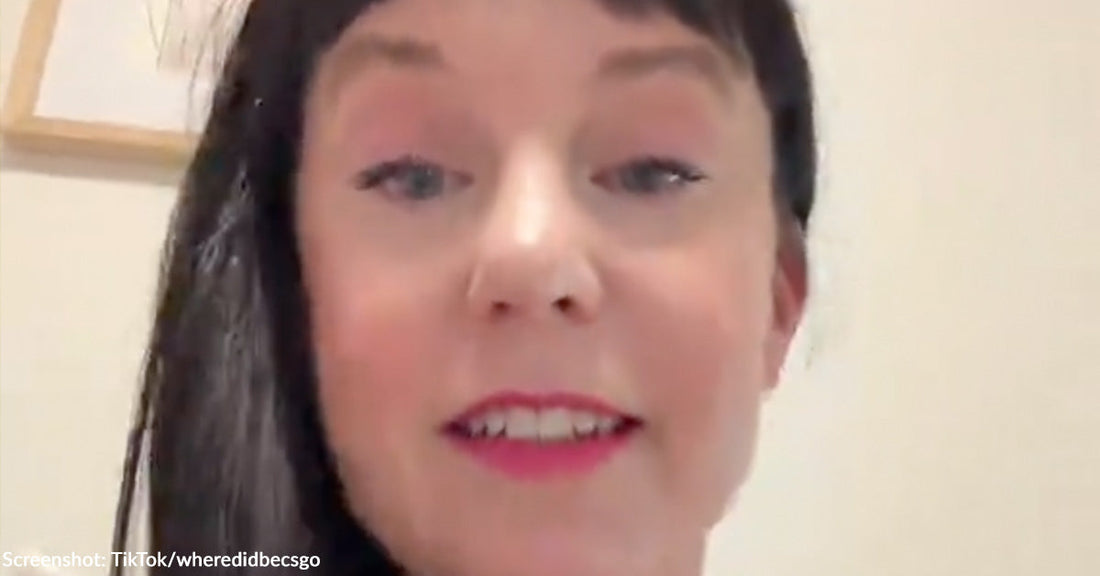
TikTok creator Rebecca Luna, known to many for her raw and honest posts about living with young-onset Alzheimer’s disease, has died at age 49 after choosing to end her life through medical aid in dying. Her story, shared with hundreds of thousands of viewers over the past year, invited people into the realities of a terminal diagnosis in middle age and sparked conversations about illness, autonomy, and what it means to say goodbye on one’s own terms. For many who followed her, “TikToker Rebecca Luna dead” is not just a headline but a deeply personal loss.
Luna’s death was confirmed in a post on her TikTok account that shared she passed away on July 25 at approximately 1:15 p.m., surrounded by loved ones. The brief message thanked followers for their support and requested privacy for her family. Her eldest daughter, Maya, echoed the same words on a GoFundMe page that Luna had created weeks earlier to help cover end of life expenses, reflecting how closely Luna involved her online community throughout her journey.
@wheredidbecsgo Oh dementia how I love you #dementia #alzheimer #brainrot #fyp #love ♬ original sound - wheredidbecsgo
When Luna first opened up on TikTok in April 2025, she was 48 and at what she described as the very early stages of a diagnosis of early onset Alzheimer’s. In that video, she spoke of how “weird and vulnerable” it felt to share something so personal. She also described realizing there were not many resources aimed at younger people facing the disease. That scarcity pushed her to document her experience publicly, in hopes of making others feel less alone.
Young-onset Alzheimer’s, which affects people typically before age 65, can be particularly isolating. Luna mentioned that while she had connected with a few others in similar situations, she still found the disease profoundly isolating. The way she invited her audience into that isolation, and into the small daily realities that came with it, made her TikTok account feel like a rare space of honesty about cognitive decline at a relatively young age.
@wheredidbecsgo Updates ❤️ #alzheimers #maid #medical #disability #dementia ♬ original sound - wheredidbecsgo
As her condition progressed, Luna remained open with viewers about both the practical and emotional aspects of her diagnosis. On her GoFundMe, she shared that she had been diagnosed at 48, that she was 49 at the time of writing, and that she would be accessing medical aid in dying, often shortened to MAID, because her decline had come faster than she had hoped. She identified herself as a single mother “proudly” and acknowledged that she did not want to leave her loved ones with the financial weight of end of life expenses on top of their grief.
She explained that it was her followers who suggested she start the fundraiser, and she wrote that all blessings and well wishes were warmly appreciated. She emphasized her love for the community that had grown around her account and told them she could not have come as far as she had without them. I found this detail striking because it showed how what began as a vulnerable decision to speak publicly about young-onset Alzheimer’s became a source of support that extended beyond emotional encouragement into tangible care.
Medical aid in dying, as described in Luna’s GoFundMe, is a practice in which a physician provides a patient with a terminal illness with a prescription for a lethal dose of medication. This allows the patient to choose a purposeful and peaceful death. The description of medical aid in dying in Luna’s own words stayed very focused on her lived experience rather than broader debates, and her decision to pursue it was framed around her desire for dignity and relief from suffering as her disease advanced.
In the final days of her life, Luna continued to keep her audience informed. She posted her last TikTok on July 22, explaining that she had moved her MAID date forward to that Friday. She said that until recently the timing of her death had been affected by legal and medical factors beyond her control. For the last two weeks, however, she had been the one actively making the decision about when to proceed.
In that final video, she described the emotional difficulty of choosing to move the date up. She shared that she was living in a body that did not feel comfortable, safe, or good and that it felt terrible. Waiting an additional two weeks felt like too much. For those who had been following her journey, this explanation laid bare the tension between wanting more time with loved ones and wanting relief from profound discomfort and fear.

Screenshot: TikTok/wheredidbecsgo
The public nature of Luna’s path through young-onset Alzheimer’s and medical aid in dying made her TikTok account more than just a personal diary. It became a space where followers learned in real time about what a terminal diagnosis can look like before old age. Her openness offered a rare view into questions that many people face privately, such as when to ask for help, how to communicate with family about decline, and how to weigh quality of life against quantity of days.
Her identity as a single mother was a consistent part of how she talked about herself and her choices. She emphasized pride in having raised her children on her own and repeatedly framed her end of life decisions around not wanting to burden the people she loved. That combination of vulnerability and determination resonated with many in her audience, who saw not just a patient with Alzheimer’s but a parent trying to protect her family even at the end.
The phrase “young-onset Alzheimer’s” can be unsettling because it challenges commonly held assumptions that dementia is a distant issue reserved for much later in life. Luna’s willingness to say out loud that she felt isolated by the diagnosis, and that she struggled to find others her age going through something similar, invited more nuanced conversations around who is affected by Alzheimer’s and how support systems might adapt.
Her story also highlighted the way digital platforms can serve as both a mirror and a lifeline. For people who saw themselves in her, her channel validated feelings that are often hidden from view. For others who had no prior connection to Alzheimer’s, her videos created understanding where there might otherwise have been only stereotypes or silence.

As news spread of Rebecca Luna’s death, the response from her followers focused heavily on gratitude. Many people who had never met her in person credited her with making them feel less alone in their own difficult circumstances or with helping them talk more openly with family members about illness and mortality. While their messages were individual and varied, the shared theme was appreciation for her courage in bringing such a private journey into the light.
Rebecca Luna’s life and death will likely be remembered by many as a testament to the power of honest storytelling in the face of a devastating diagnosis. Through her TikTok presence, her GoFundMe, and her final, carefully considered updates, she showed what it can look like to face a terminal illness with clarity, love, and a commitment to remaining honest until the very end. Her legacy lives on in the community she built and in the broader awareness she brought to young-onset Alzheimer’s and medical aid in dying.