
🚨Urgent: Missile Strikes Shelter in Ukraine! Rush Emergency Aid!
Rescue Dog Brings Comfort To Man Battling Memory Loss
Guest Contributor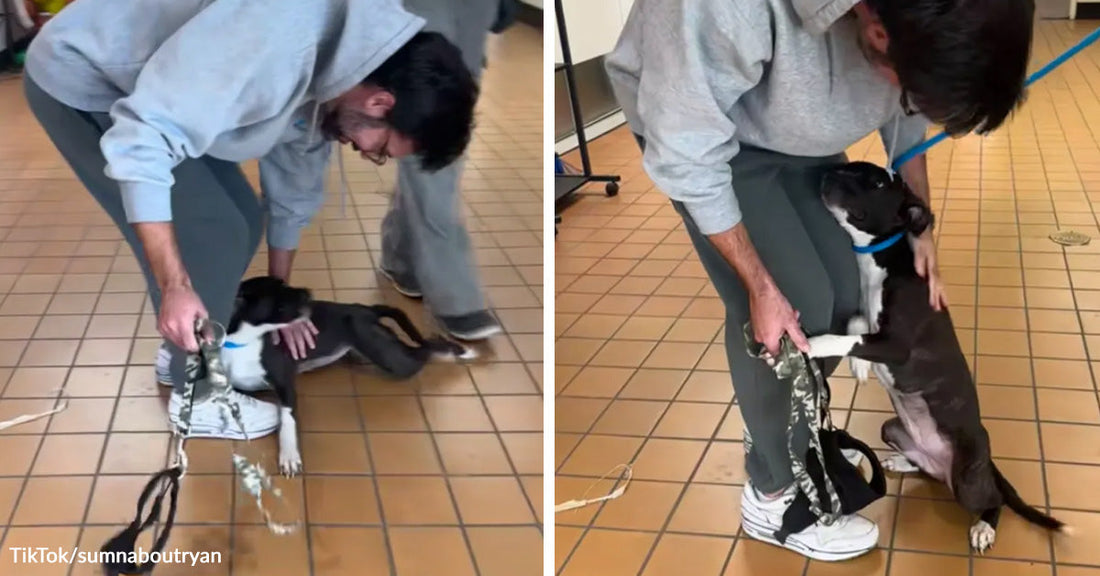
When an abandoned shelter dog named Pepper met 79-year-old Mike Sumner, who is living with rapidly progressing memory loss, something quietly extraordinary happened. In an era where stories about Alzheimer’s and dementia so often focus on decline, this one spotlights connection, purpose, and the healing power of a rescue dog. It is a moving example of how an emotional support companion can transform daily life not only for a person with cognitive challenges but also for the animal who finds a second chance.
Mike, an Air Force veteran from Wisconsin, was once known for his robust health and independence. Over the past five or so years, though, his son Ryan has watched him struggle with confusion and memory loss that have made it difficult to manage a normal life. Medical professionals are still determining whether it is dementia or Alzheimer’s, but what is clear is that the illness has progressed quickly. The changes have rippled through every part of Mike’s routine and identity.

Life on the family’s three-generation dairy farm in Wisconsin used to give Mike structure and satisfaction. The farm had goats, chickens, and feral cats, and he played a meaningful role in managing it. As his condition worsened and some unrelated injuries occurred, he could no longer safely help with the work he loved. His wife eventually rehoused most of their goats, a necessary step that nonetheless left Mike upset and grieving the loss of the animals he cared about.
Another significant blow came when his previous dog, Buddy, died. According to Ryan, his father had a hard time understanding Buddy’s death. The combination of losing his dog, needing to give up farm responsibilities, and being unable to drive his beloved truck took away many of the sources of pride and joy he once relied on. Ryan described watching his father fixate on these frustrations as feeling like witnessing a “daily tragedy.” For many families facing dementia or Alzheimer’s, that description may resonate with the emotional weight of each day.
Seeking a way to bring light back into Mike’s life, Ryan’s mother suggested an emotional support companion. Given Ryan’s history of fostering, adopting, and volunteering at animal shelters, he embraced the idea. He believed a rescue dog might not only comfort his father but also give him something positive to focus on. With that hope, Ryan headed to the Chicago Animal Care and Control Facility in search of a dog that would be calm enough for an older person, friendly with cats, and low to mid energy.
The criteria alone made this a tall order. Ryan viewed no fewer than 50 dogs. About half seemed like they could potentially be a fit, and he took time to read each dog’s bio and speak with shelter volunteers about their personalities and histories. Out of all these encounters, one dog stood out. Her shelter name was Fritter, a one-year-old pit bull mix who was quiet amid the chorus of barking around her. Her disposition seemed nervous yet kind. Volunteers described her as submissive, and Ryan noticed how expressive her face was, as if she were silently asking for a chance.
He felt especially drawn to her, in part because she reminded him of his own late dog, Boo, who had died the previous year. The timing struck him. Pepper was about a year old, and Boo had passed away around a year earlier. Even her original name, Fritter, carried weight for him. There is a doughnut shop he visits every time he sees his parents, and he always brings three apple fritters to share with his dad. That shared ritual made the name feel almost like a sign that this dog was meant for their family.
Convinced that Fritter, soon to be Pepper, might be exactly what his father needed, Ryan offered to adopt her. The shelter still needed to spay her, so he had to wait a few days before bringing her home. During that time, he kept the plan quiet. Mike did not know that a new companion was already on her way into his life, ready to fill a space left vacant by the loss of Buddy and the changes on the farm.
When the moment finally arrived and Ryan walked through the door with Pepper, the reaction was immediate. Mike was “beyond thrilled,” repeating over and over how happy he felt to meet her. The bond between them formed quickly. In just a few weeks, Pepper had become a source of daily joy and comfort, curling up with Mike on the couch and resting near him as he moved through his day. For Pepper, who had been abandoned and left in a shelter environment, this quiet home with a kind human likely felt just as healing.
Ryan captured Pepper’s journey from the shelter to her new life on TikTok, where the story resonated with thousands. The first video showing the moment of her rescue has drawn more than 76,000 views and 14,500 likes. As people became invested in the unfolding friendship, Ryan posted another clip of his father and Pepper nestled together on the couch, calling them a “match made in heaven.” Comments poured in praising both the adoption and the companionship they had created for each other, with viewers noting the simple power of love and second chances.
From Ryan’s perspective, the change in his father has been profound. He shared that Pepper’s presence helps Mike forget, at least for a time, the more painful aspects of his “new normal.” Anger and frustration are common with Alzheimer’s and other dementias, and those symptoms can make caregiving challenging for families. Having Pepper as an emotional support dog gives Mike something joyful and tangible to focus on. Instead of dwelling on what he has lost, he spends his time thinking about Pepper’s well-being, her comfort, and her happiness.
Ryan said that his dad has thanked him more than a hundred times for bringing Pepper into his life. That gratitude reflects more than simple appreciation for a pet. It shows how purpose and responsibility can anchor a person who is facing the uncertainty and confusion of cognitive decline. For Mike, caring about Pepper appears to satisfy a deep need to nurture, protect, and remain useful within his family.
From Pepper’s side, the transformation is just as significant. Once an abandoned shelter dog, she now spends her days beside someone who cherishes her presence. She is described as loving and happiest when close to a kind human, and she has clearly found one in Mike. Their relationship highlights how rescue animals often give as much as they receive. The affection, loyalty, and gentle routine they share have become an essential part of each other’s lives.
I found it striking how many small details aligned in this story, from Pepper’s original name echoing the apple fritter tradition to the timing of Boo’s passing and Pepper’s birth. None of those details change the medical reality that Mike and his family are facing, yet they add a sense of meaning and comfort to the choice they made. In many families, decisions about dementia or Alzheimer’s care feel heavy and clinical. Here, adopting a rescue dog created an everyday ritual of joy that sits alongside the difficult parts of the journey.
Stories like this do not claim that animals can cure illness, and they do not erase the challenges that caregivers and loved ones navigate. What they do offer is a glimpse of how companionship, especially between a person with memory loss and a patient, affectionate animal, can soften the edges of each day. For Mike and Pepper, their shared life on that Wisconsin farm is not perfect, yet it is filled with moments of connection that matter deeply. In the shelter, Pepper waited quietly in her kennel. Now, she has a home where her presence helps a veteran facing Alzheimer’s find comfort, purpose, and a reason to smile.