
Neglected German Shepherd Fights Back From The Brink And Becomes Unrecognizable In One Year
Guest Contributor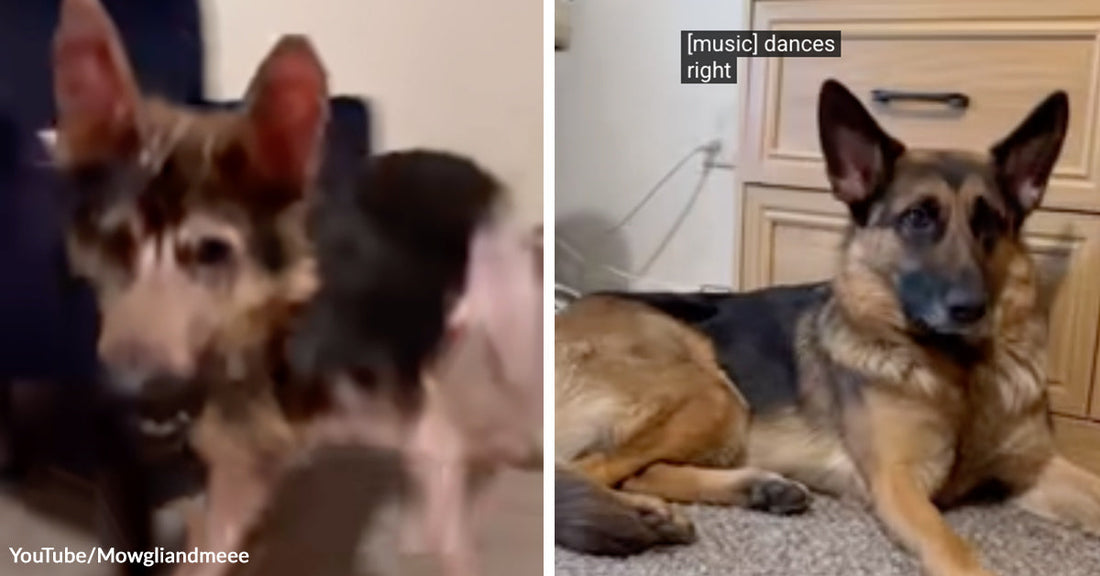
A single year can completely change a dog’s life. In the case of one rescued German shepherd, that year marked a journey from neglect and malnutrition to health and confidence, showing just how powerful consistent love and care can be. Stories of a rescued German shepherd transforming this dramatically remind people why animal adoption and responsible pet care matter so much.
The short video that inspired this story quietly presents a before and after that almost feels like two different dogs. In early 2025, viewers see a young German shepherd who scarcely resembles the strong, dignified breed so many people recognize. His fur is almost entirely gone, his frame looks fragile, and his body bears the obvious signs of malnutrition and prolonged neglect. Even so, there is a small but moving detail. He still chases a ball, trying to play despite being weak and nearly bare. That simple moment illustrates just how resilient many neglected animals can be when they finally receive even a little kindness.

Fast forward to 2026, and the contrast is striking. The same German shepherd appears on screen again, this time with a thick, healthy coat and a steady, confident posture. Where his fur once appeared patchy and dull, it is now full and vibrant. The transformation, documented through timestamps instead of narration, does not rely on words to be convincing. It visually confirms what committed caretakers and rescue organizations already know. When a dog receives consistent nutrition, proper veterinary care, patience, and genuine affection, even severe neglect can often be overcome.
The original story does not go into detailed medical records or specific diagnoses, but it is clear that the dog experienced serious neglect before being rescued. The early images are familiar to anyone who follows animal welfare efforts. Visible ribs, thin or missing fur, and a hesitant gait often point to a history of inadequate food, untreated skin or health conditions, and emotional stress. Recovery from such a state is rarely quick, and it never happens by accident. It reflects weeks and months of scheduled vet visits, careful feeding, treatment plans, and the quiet daily routines that help animals learn they are finally safe.
Many people who have adopted rescue animals noticed this right away. The internet’s reaction to the German shepherd’s story was overwhelmingly positive and deeply personal. Viewers did more than simply admire the dog’s new appearance. They recognized the work and compassion behind it. One commenter wrote that love and kindness had transformed him and offered a blessing to the caretaker who stayed by his side. Another observed that the dog’s poor condition at the beginning and his later robust health clearly illustrated the difference ongoing care can make in a neglected animal’s life.
Some viewers felt moved to share their own rescue experiences. One person described adopting a male Himmie Persian cat who arrived looking “beat up” yet eventually “bloomed into a gorgeous boy.” That parallel story reinforces a common theme in animal rescue. With time and support, many animals who first appear withdrawn or physically damaged can become healthy, confident companions. While every situation is unique and not all health issues are fully reversible, a pattern continues to emerge across countless rescues. Visible transformation often reflects the quieter healing that happens in the background.
This particular German shepherd’s journey also highlights a larger and somewhat surprising reality. German shepherds are among the most popular dog breeds, according to the American Kennel Club. Their intelligence, loyalty, and versatility have made them favorites in homes and working roles alike. At the same time, they remain one of the most common breeds found in shelters. The contrast between their popularity and their overrepresentation in rescue situations raises important questions about expectations and responsibility.
There are several reasons why German shepherds often end up surrendered or abandoned. They are energetic, highly driven dogs that usually require consistent training, mental stimulation, and regular exercise. Without that structure, they may develop behavioral issues that some owners find difficult to manage. In many cases, these behaviors are not signs of a “bad” dog. They are often the natural result of boredom, under-stimulation, or a mismatch between the dog’s needs and the owner’s lifestyle. Life changes can also play a role. Housing restrictions, financial strain, or family circumstances sometimes lead people to give up dogs they had not originally planned to part with.
Overbreeding adds another challenge. When demand for a popular breed surges, irresponsible breeding can increase. Puppies may be bred and sold without adequate consideration of genetic health, temperament, or the likelihood that the dog’s long-term needs will be met. This pattern contributes to more German shepherds, and many other breeds, eventually entering shelters. Responsible breeders, rescues, and shelters often encourage potential owners to research breed characteristics thoroughly and consider whether they can meet those needs over the dog’s entire lifetime.
The story of this one rescued dog does not attempt to solve all of those larger issues, but it offers a clear example of what can happen when things go right. A fragile puppy who looked nothing like the proud, athletic breed standard received a second chance. Through consistent care, he transformed into a strong, healthy adult with a glossy coat and bright eyes. That change did not erase his past, but it allowed him to build a new future supported by people who understood his needs.
For those considering adopting a German shepherd or any dog from a shelter, this transformation provides both inspiration and realistic guidance. It shows the potential rewards of rescue, but it also quietly emphasizes the responsibilities involved. Healing a neglected dog requires time for vet appointments, follow-up treatments, and careful observation. It requires patience on difficult days when old fears or behaviors emerge. Above all, it calls for a commitment to stay the course beyond the first uplifting “after” photo and into the ordinary days of shared life.
Stories like this resonate not only because of the visual change, but because they remind people that animals are capable of remarkable resilience. Many dogs and cats in shelters today may have their own version of this journey ahead of them. When individuals and families choose adoption and prepare thoughtfully, they can become the turning point in an animal’s story, just as someone did for this German shepherd rescued in 2025 and thriving by 2026. Read more at AOL