
🚨Urgent: Missile Strikes Shelter in Ukraine! Rush Emergency Aid!
Sea Otter Pup Reunited With Mother After Miraculous Rescue
Guest Contributor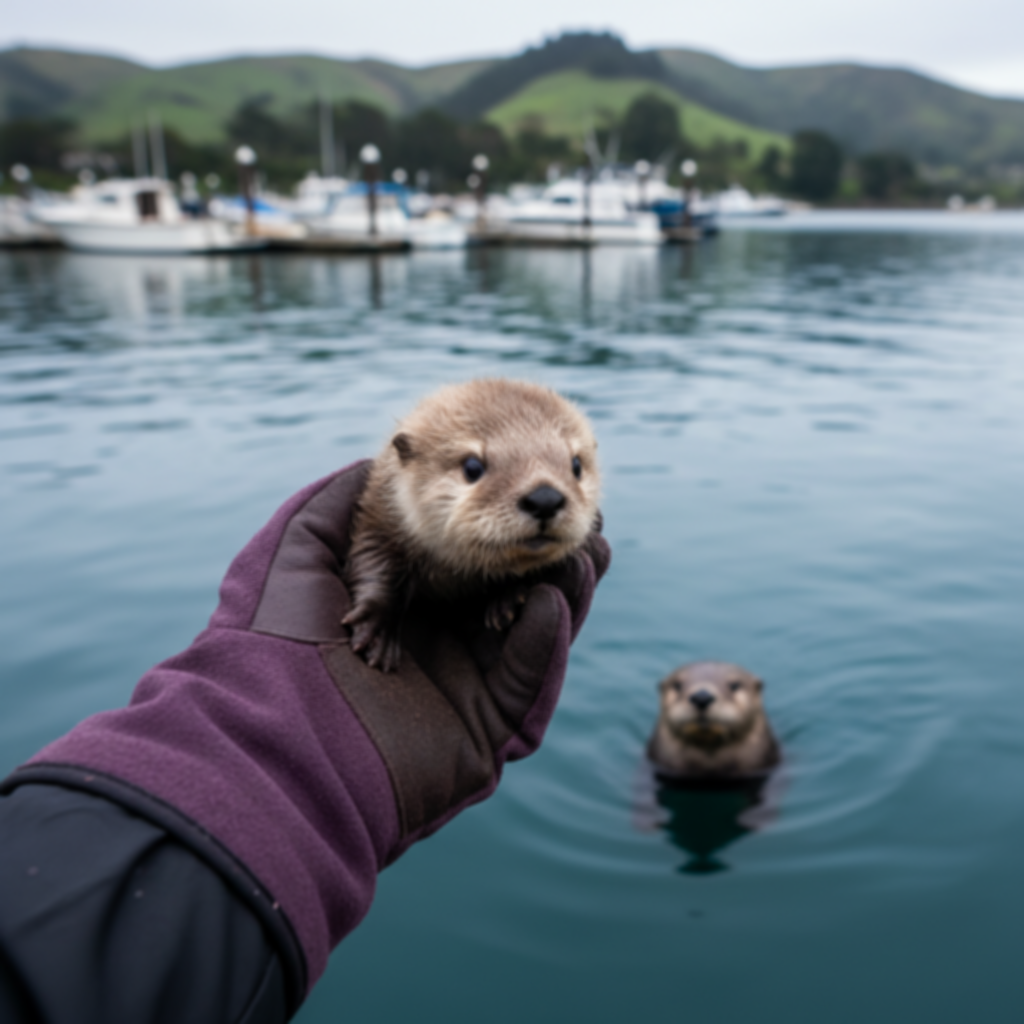
In the coastal community of Morro Bay, California, the bright blue water is a daily backdrop for sea otters, seals, and even whales. Recently, one small life in that vast seascape captured hearts around the world. A stranded 2-week-old sea otter pup, later given the name Caterpillar, became the center of a remarkable rescue story that highlighted both the vulnerability and resilience of wildlife, as well as the dedication of those who protect them. For anyone who loves uplifting animal rescue stories, this reunion between an otter mother and her pup is unforgettable.
The story began when a Good Samaritan noticed a tiny sea otter pup alone on the sand. Sea otter pups are rarely far from their mothers, especially at such a young age, and this sight immediately signaled that something was wrong. Recognizing the urgency, the bystander contacted The Marine Mammal Center’s hotline, setting into motion a coordinated response among trained professionals. In situations like this, time is critical. Young marine mammals are not equipped to survive long on their own, and every minute separated from their mothers increases the risk.

Responders from The Marine Mammal Center, working with Morro Bay Harbor Patrol, arrived on the scene and carefully secured the pup. They placed Caterpillar in a carrier crate, protecting him from both the elements and potential stressors on the busy shoreline. At only 2 weeks old, he depended entirely on his mother for warmth, nutrition, and safety. According to The Marine Mammal Center operations coordinator Shayla Zink, sea otter pups typically stay with their mothers for the first nine months of life. This period is crucial. The mother teaches her offspring how to swim efficiently, dive for food, groom their fur properly, and navigate the dynamic coastal environment.
Without that extended learning window, an otter pup may struggle to survive in the wild. This made the team’s mission clear and urgent. They needed to do everything in their power to reunite Caterpillar with his mother, rather than defaulting to long-term human care. Reuniting a wild pup with a wild parent gives the animal the best chance at a natural life, and as Zink emphasized, it also benefits the broader population of southern sea otters, which are currently listed as a threatened species.
The rescue team chose a creative and carefully considered approach. Before leaving shore, they recorded Caterpillar’s cries and vocalizations, capturing the distinctive sounds he used to call for his mother. Those calls are powerful signals in the animal world. Mother sea otters recognize the individual voices of their pups, and the rescuers hoped to use that bond to guide a reunion. They loaded Caterpillar safely aboard a boat, along with a Bluetooth speaker, and pushed off into Morro Bay.
As the boat moved across the water, the team played the recordings of Caterpillar’s cries out over the bay. They watched and listened, scanning the waves for any sign of a response. It was a careful balance of strategy and hope. The water is a vast place for such a small animal, and there was no guarantee that the mother was close enough to hear or that she was even still alive. Yet the rescuers understood that this acoustic cue was their best chance to bridge the distance between pup and parent.
Eventually, their patience was rewarded. As the recording played, the team spotted a brown speck emerging from the surface of the water. Against the expanse of the bay, this small shape might have been easy to miss. To the trained eyes on board, however, it was immediately significant. A wild sea otter had appeared, apparently responding to the familiar sound of a pup’s cries. The rescuers watched as the animal drew closer, a worried mother searching for her lost baby.
At this point, the team’s careful planning met a moment of emotional release. They placed Caterpillar back into the water and allowed him to swim freely as his mother approached. Observers watched as the two otters reunited, the mother closing the distance through the waves to reclaim her young pup. After such an ordeal, seeing them together again carried a powerful sense of relief and joy. I found this detail striking, because it captured in a single moment both the intensity of the separation and the tenderness of the reunion.
The successful outcome was not simply a heartwarming scene. It also represented a meaningful contribution to conservation. Southern sea otters play an important role in coastal ecosystems, including the kelp forests and nearshore habitats that support many other species. Every pup that survives and learns to thrive in the wild is part of the future of that population. In a press release, Zink described the reunion as a major boost to the long-term health of the species and the surrounding ecosystems. By reuniting Caterpillar with his mother, rescuers helped preserve a crucial natural relationship instead of replacing it with human intervention.
The story further highlights the importance of partnerships in marine animal rescue. The collaboration between The Marine Mammal Center and the Morro Bay Harbor Patrol was essential. The Good Samaritan on the beach took the first step by recognizing distress and calling for help. Trained responders then stepped in with specialized knowledge, equipment, and an understanding of sea otter behavior. Each link in this chain mattered. Without quick action, Caterpillar might have been exposed to the cold, tides, or predators. Without scientific insight into how mothers and pups communicate, the team might not have tried broadcasting his cries across the bay.
There is also a broader lesson for anyone who spends time near the coast. Encountering a stranded or apparently abandoned young animal can be heartbreaking, and the instinct to step in directly is understandable. However, this story underscores how crucial it is to involve professionals as soon as possible. Marine mammals are protected, and well-meaning attempts to help without training can unintentionally cause harm. In Caterpillar’s case, the correct response was to keep a safe distance and call experts who could design a reunification attempt rooted in science and animal welfare.
For those who follow animal news and conservation efforts, the image of a tiny pup calling for his mother across the bay, and the sight of that mother emerging from the waves, is likely to stay in mind for a long time. It is a reminder that technology, such as a simple Bluetooth speaker, can work in harmony with natural instincts to support wildlife. It also shows how communities and organizations can come together to create real change for threatened species. In the end, Caterpillar did not just survive a frightening separation. He returned to his rightful place, tucked under the watchful care of his mother in the waters of Morro Bay.
The Marine Mammal Center staff have expressed their gratitude to the Morro Bay Harbor Patrol for their quick and effective assistance, and they have celebrated this outcome as a hopeful sign for the future of southern sea otters. Stories like this carry a quiet power. They remind people that behind every conservation status report, there are individual animals, individual moments of crisis, and individual chances to help. In this case, a careful plan, a recording of a baby’s cries, and a mother’s determination were enough to bring one small sea otter family back together again. Read more at The Dodo