
Shelter Dog Runs Out Of Time And Still Gives The World A Reason To Fight For Her
Guest Contributor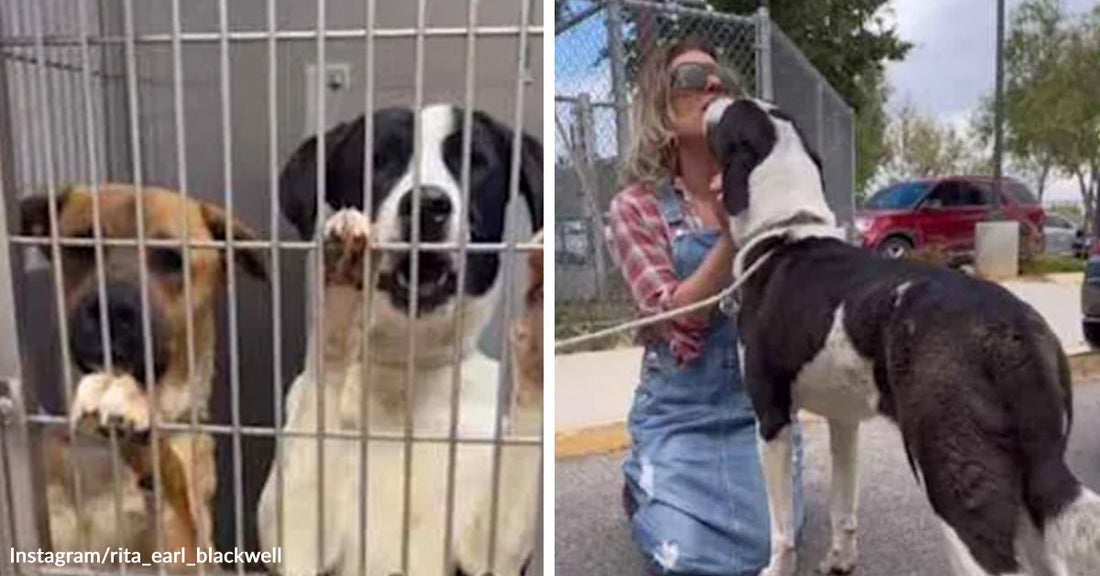
In a crowded Los Angeles shelter, a dog named Rosy went from being just another kennel resident to a powerful reminder of why every shelter dog deserves a second chance. Her story, shared by volunteer Rita at @rita_earl_blackwell and lifted up by the Morongo Basin Humane Society, captures the heartbreak and hope that often exist side by side in animal shelters. It is a story about a shelter dog on limited time, the volunteers who refused to look away, and the small group of people who turned a ticking clock into a life worth fighting for. For anyone who follows dog rescue stories or cares about what happens inside overcrowded facilities, Rosy’s journey speaks directly to the urgency and impact of giving dogs a new start.
According to the original report, Rosy was scheduled for euthanasia solely because the shelter was too full. There were no dramatic behavioral issues and no medical crisis driving the decision. She was simply one of many large dogs in a packed building, and space had run out. This reality is difficult to absorb, yet it is a common one for municipal shelters that must manage high intake numbers and limited capacity. Rosy’s circumstances underscore a painful truth: many adoptable, affectionate animals are lost not because of who they are, but because there is literally no room for them to stay.

In the video shared by the volunteer, viewers first meet Rosy inside her kennel alongside her companion Dennis. The two dogs stand at the bars, tails wagging, eyes bright with hope for a greeting, a kind word, or a walk in the fresh air. Their posture and expressions suggest they have not given up on people, even in a stressful, noisy environment. Over the sweet but bittersweet footage, the story of these kennelmates unfolds. Dennis had already been at the facility for 20 days and, as the article reports, he lost his life the day before Rosy’s rescue.
The loss of Dennis becomes a stark backdrop to what happens next. It highlights how narrow the margin can be between life and death for shelter dogs on a kill list. One dog’s time runs out while, by a stroke of timing and intervention, another has a chance to leave alive. I found this detail striking because it shows that behind every cheerful adoption photo, there may be another animal who never got the same opportunity. Rosy’s eventual rescue cannot erase Dennis’s fate, but it does turn a painful situation into a partial victory for compassion.
The emotional center of the video comes when representatives from the Morongo Basin Humane Society arrive. This Joshua Tree area organization operates as a no-kill shelter, and on this day they made the drive specifically to help dogs like Rosy. The footage captures a simple but transformative moment. A woman from the rescue sits down at Rosy’s level and truly sees her. She is no longer just a kennel number or a body taking up a space. Rosy responds to this shift immediately, recognizing that someone is there for her in a new and meaningful way.
Rosy is described as a five-year-old mixed breed, weighing about 73 pounds, who is likely house trained and very social. These details matter because they remind viewers that many large adult dogs in shelters might already know how to live in a home, walk on a leash, and interact kindly with people. As the volunteer clips on Rosy’s leash and leads her out of the building, Rosy’s demeanor tells its own story. She offers a gentle chin nuzzle and keeps her tail moving in a calm, steady rhythm, as if to say she understands that something good is finally happening.
Outside the shelter, Rosy steps into an entirely different world. Instead of concrete floors and barking neighbors, there is fresh air and the open sky of a new beginning. The article notes that the Morongo Basin Humane Society drove in from the desert specifically to make her rescue possible. Watching Rosy in the car, poised and ready for her next chapter, transforms the earlier scenes of confinement into a quiet triumph. The transition from a crowded kennel to a no-kill shelter signals a tangible upgrade in her quality of life, filled with the possibility of runs, sunshine, and unhurried time to find the right family.
Rosy’s easygoing nature stands out in these final moments of the video. Even after facing the likelihood of euthanasia, she shows curiosity, calmness, and affection. This contrasts sharply with the idea that animals in shelters are damaged or difficult by default. Her behavior illustrates how many shelter dogs are simply waiting for a consistent environment, compassionate care, and a chance to show who they really are outside the stress of confinement.
Importantly, the rescue trip did not begin and end with Rosy. The team from the Joshua Tree no-kill shelter also took in a senior dog affectionately referred to as Grandpa Copper and a smaller dog named Goldie. With these additional rescues, three lives were saved during a single visit. All three dogs were removed from the kill list and brought to a place where, as the piece notes, they now have all the time they need. For facilities like Morongo Basin Humane Society, each dog is not just a statistic but an individual. By accepting multiple animals on one trip, the rescuers multiplied the impact of their effort.
Reactions from viewers and followers, shared in the original article, show a wave of gratitude aimed at everyone involved. Fans in the comments expressed love for Rita, for the rescue team, and especially for Rosy and her fellow travelers. These responses reflect how stories of a shelter dog rescue can motivate people far beyond the walls of one facility. They can inspire potential adopters, reassure current volunteers that their work matters, and encourage small rescues to keep reaching out to overcrowded shelters whenever they can.
Rosy’s journey from a death row kennel to the safety of the Morongo Basin Humane Society offers several quiet lessons. It illustrates how a simple act like sitting at a dog’s level and paying real attention can change the course of a life. It underscores the importance of no-kill shelters that are willing to partner with high-intake facilities. It also reminds readers that every share, every donation, every adoption application can help turn a limited-time deadline into a second chance at life. Rosy, Grandpa Copper, and Goldie left behind a crowded building and stepped into a future defined by care instead of scarcity. Their story stands as a testament to what can happen when people refuse to give up on the animals in front of them and choose, instead, to fight for one more happy ending.