
This Rescue Dog Flew Into Disaster Zones Because Human Lives Were Waiting
Guest Contributor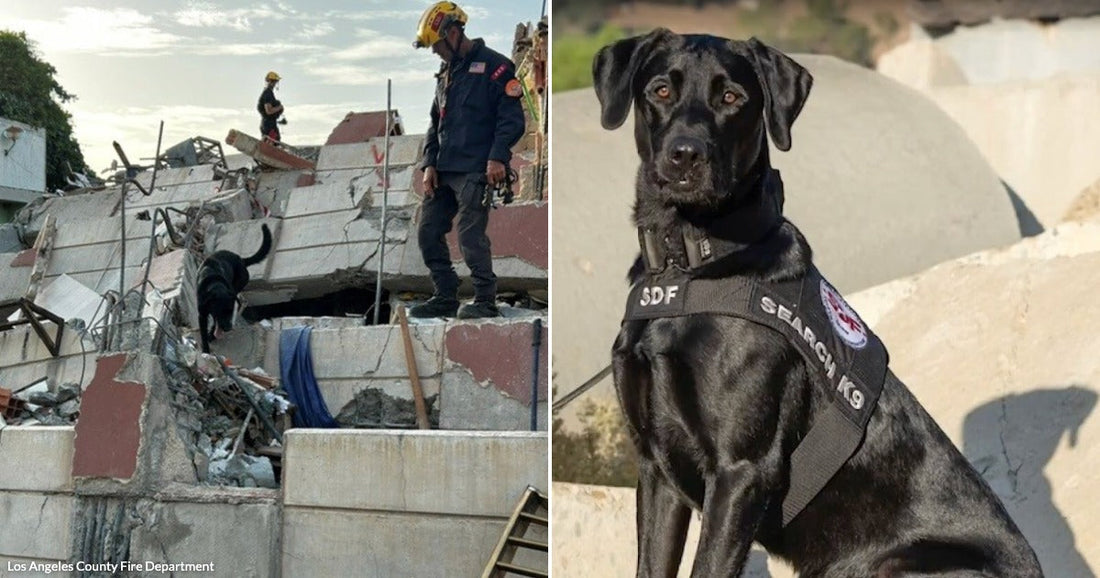
In the world of disaster response, heroes often come in unexpected forms. One of the most remarkable stories to emerge from recent months is that of Roma, a search-and-rescue dog whose journey from shelter life to international frontline work reminds people how powerful second chances can be. This former shelter dog has now been honored as a rescue pet hero after helping save lives following earthquakes in Venezuela, and her story is a compelling testament to the life-saving potential of search-and-rescue dogs.
Roma is a 6-year-old Labrador Retriever and Belgian Malinois mix who once spent months waiting for a family in a cat shelter in Southern California. The contrast between her quiet days in a kennel and her current role as a trained disaster responder is striking. Rather than fading into the background as one more overlooked animal, she has become central to high-stakes operations where every moment can mean the difference between life and death. That transformation is part of what makes her recognition as the 2026 Rescue Pet Hero so meaningful.

Roma was honored at the Helen Woodward Animal Center in San Diego during the organization’s annual "Remember Me Thursday" event. The event aims to shine a light on orphan pets, spotlighting the countless animals in shelters that are waiting for a home and a purpose. According to the center, Roma represents the full spirit of this mission. She is not only a survivor of the shelter system but also a powerful symbol of what rescue animals can become when given training, care, and trust.
Over the summer, Roma worked with the USA-2 team, an elite search-and-rescue group, to help locate survivors in the aftermath of earthquakes in Venezuela. In the chaos that follows a major quake, collapsed buildings and unstable structures make rescue efforts extremely dangerous and complicated. Search-and-rescue dogs like Roma are able to move quickly over rubble, navigate tight spaces, and use their highly trained sense of smell to detect people who are trapped out of sight. In those conditions, traditional equipment and technology alone are often not enough.

Los Angeles County Fire Department
Roma’s handler, LA County firefighter Derek Moree, explained that dogs such as Roma provide something no tool currently can. He noted that these dogs are able to search large areas faster than any available technology. This ability helps rescue teams determine whether survivors are likely still present at a given site. Dogs can indicate not only when there is a strong chance that someone remains alive under the debris, but also when there is little indication of survivors. That information matters because it helps teams decide whether to commit precious time and resources to a particular location or move on to search other areas where people might still be waiting for help.
In Venezuela, Roma and her team helped rescue more than a dozen individuals trapped in rubble after the earthquakes. Moree shared that they were part of the effort that saved the last live person pulled from the debris, a rescue that took place about seven or eight days after the quake. That detail underlines the urgency and persistence required in these missions. Survivors can sometimes endure for days under collapsed structures, and locating them demands a combination of human expertise and canine detection skills that must work in close partnership.

Los Angeles County Fire Department
Stories like Roma’s highlight the enormous value of search-and-rescue dogs in disaster zones. These animals are trained to ignore distractions, navigate hazardous terrain, and focus relentlessly on their task of finding human scent. While the specific training program behind Roma’s work is not detailed in the article, her performance in Venezuela shows the result of many hours of practice and a strong bond between dog and handler. The success of Roma and the USA-2 team underscores how this partnership can literally bring people back from the brink in the aftermath of a catastrophe.
The recognition Roma received during "Remember Me Thursday" also carries a deeper message about how society views shelter animals. Helen Woodward Animal Center representative Jessica Gercke described Roma as an incredible example of a rescue pet hero, noting that the event is meant to honor pets that make a difference in people’s lives. She shared the belief that when people save orphan pets, those pets often save their humans right back. Roma’s story fits that philosophy perfectly. An animal who once lacked a home now helps preserve families and communities by contributing to life-saving operations.
The phrase "orphan pets" is powerful because it acknowledges that animals in shelters are not broken or lesser. They are simply waiting for connection and opportunity. Roma’s evolution from a dog sitting in a cat shelter to a frontline responder in international disaster relief invites people to reconsider their assumptions about what shelter animals can do. While not every pet will become part of a search-and-rescue unit, many can provide companionship, emotional support, and even specialized assistance in ways that transform human lives.
The emotional impact of Roma’s journey is further deepened by the setting of her recognition. "Remember Me Thursday" focuses on raising awareness for animals who often go unseen. By putting Roma’s story in the spotlight, the event reminds people that there are countless other animals in shelters with untapped potential. It encourages communities to think of adoption not only as an act of compassion but also as an investment in futures that might hold surprising achievements, whether in search-and-rescue efforts, therapy work, or simply in the day-to-day joy of companionship.
Roma’s work in Venezuela, together with the USA-2 team, is also a vivid illustration of global cooperation during crises. While the article centers on her contribution and recognition, her role exists within a larger network of first responders, international aid teams, and local communities all working toward the same goal of saving lives. In that context, Roma becomes a symbol of resilience that crosses borders and languages, speaking through action rather than words.
I found it particularly striking that the last live person rescued from the rubble in Venezuela was located so many days after the earthquakes. That detail highlights how crucial persistence is in disaster response and how search-and-rescue dogs can sustain that effort when human senses and endurance might falter. It also reinforces why honoring Roma as a rescue pet hero feels so fitting. Her work did not simply involve sniffing through debris. It contributed directly to giving survivors and their families a future that might otherwise have been lost.
As people reflect on Roma’s recognition and the purpose of "Remember Me Thursday," her story serves as both an inspiration and a call to awareness. Somewhere in a shelter right now, there may be another dog or cat waiting for a chance to show what they can do. Whether they end up saving lives in disaster zones or changing one person’s daily world at home, the potential is there. Roma’s journey from a shelter kennel to being honored in San Diego for her life-saving work in Venezuela reminds everyone that when orphan pets are given a second chance, the impact can reach far beyond what anyone might expect. Read more at https://www.yahoo.com