
🚨Urgent: Missile Strikes Shelter in Ukraine! Rush Emergency Aid!
Adopted Dog Returned In Days Faces Crushing Rejection Again
Guest Contributor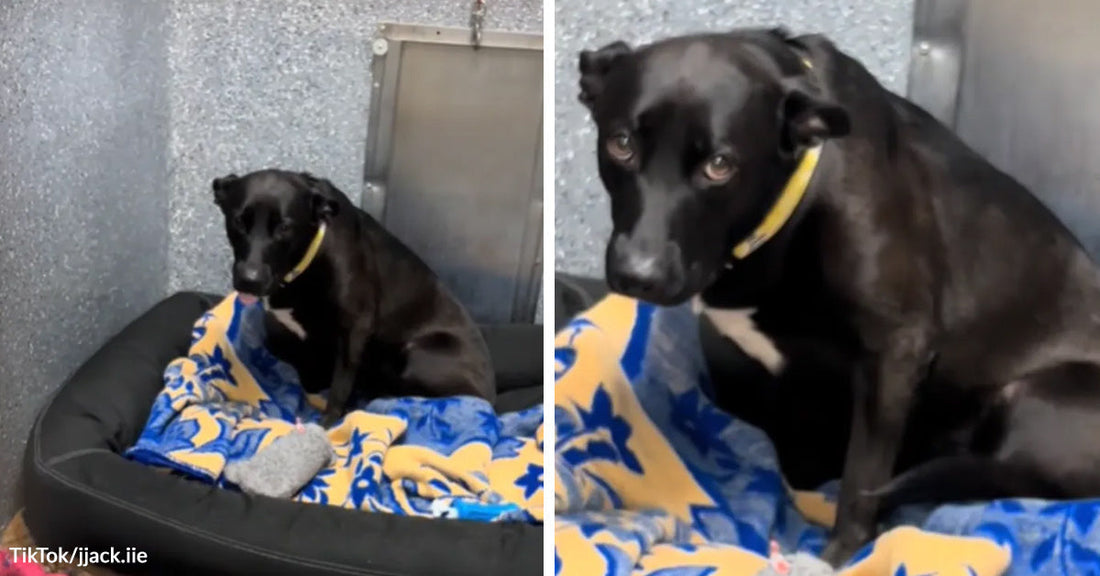
A short video of a shepherd-mix named Zelda quietly curling up in her kennel bed has captured thousands of hearts online. Shared on TikTok by @jjack.iie, it shows the 2-year-old shelter dog staring into the camera with a look that viewers have described as sad and hopeless. The clip is brief, but the story behind it is not. Zelda was adopted, then returned after just three days, and has now been waiting more than 200 days for a new home at Valley Animal Center in Fresno, California. For anyone who cares about rescue animals or is considering adopting a dog, her story is a powerful reminder of what is at stake when a pet enters and leaves a shelter.
According to Valley Animal Center, Zelda was originally abandoned in their lobby. Since then, staff and volunteers have gotten to know her well. They describe her as a dog who genuinely loves people, responds quickly to treats, and is eager to please. Yet the kennel environment clearly takes a toll on her. A spokesperson explained that Zelda struggles in her kennel and often suckles on her blankets as a way to self-soothe. In the TikTok video, those details are easy to imagine. She appears to shift and resettle herself, trying to get comfortable on the shelter bedding while never quite taking her eyes off the person filming.

The shelter’s team also acknowledges the specific challenges that make Zelda harder to place. She is not considered dog or cat friendly, which means she needs to be the only pet in the household. That requirement can shrink the pool of potential adopters, especially for people who already have animals at home. At the same time, the staff believes there is a perfect match out there for her. They say Zelda needs an active, pet-free home with someone who can provide not only physical exercise but also plenty of affection and structure. In other words, she does not need a special kind of adopter so much as a committed one.
While Zelda’s case feels deeply personal, she is also part of a much larger picture. It is estimated that over 6.3 million pets enter shelters in the United States each year, which amounts to roughly 17,260 animals on an average day. Many of these dogs and cats are rehomed or reunited with their original families. Some are transferred to other rescues and foster networks that can give them more time. Yet nearly a million of them are euthanized annually, often because shelters simply run out of space. When a dog like Zelda occupies a kennel for months, it is a sign of how thinly stretched many facilities already are.
One detail that stands out in reports about Zelda is how clearly she seems to communicate her emotional state to observers. In the comments under the viral TikTok, one viewer, Nancy Cilino, wrote that you can see the sadness in Zelda’s eyes and wished her the loving home she deserves. Another, Anastasia Loukaidou, pleaded for someone to adopt this dog. Those responses are echoed in countless other posts about shelter animals, especially those with long stays or return histories. People are struck by the idea that these animals are waiting, watching, and in some sense hoping each day for a human to choose them.
Being returned after only three days would be a significant disruption for any dog, especially one already coping with abandonment. Although the article does not detail why Zelda’s first adoption did not last, it highlights a reality that shelters encounter frequently. Dogs often need time to adjust to a new environment after leaving a noisy, stressful kennel. That adjustment period can involve uncertainty, accidents, nervous behavior, or difficulty learning a new routine. When new adopters are unprepared for this transition or unsure about how to handle early challenges, returns become more likely.
To help prevent situations like Zelda’s, the source outlines several simple but meaningful steps that people can take before and after bringing home a shelter dog. Preparation begins even before the new pet sets foot in the house. Future adopters are encouraged to create a comfortable and safe space in advance with a bed, blankets, toys, food and water bowls, treats, a collar and lead, identification tags, and basic cleaning supplies. Having these items ready reduces stress on the first day and communicates that the dog belongs there.
Once a dog arrives, patience becomes the most valuable resource. The advice offered is to let the animal settle at their own pace, rather than overwhelming them with constant attention or forced interaction. Some dogs will seek out affection immediately, while others may choose to retreat to a quiet corner or crate and watch from a distance. Respecting that choice sends an important message of safety. Providing enrichment, from chew toys to puzzle feeders, can help the dog decompress and channel nervous energy into healthy activities.
The article also stresses moderation when it comes to early outings. Walks and outside adventures should be kept relatively short at first until the dog understands their new environment and feels secure with their handler. Gradual exposure to new sights and sounds can prevent fear-based reactions and help build confidence. In combination with positive reinforcement such as treats and praise, an approach like this can turn a confusing transition into a gradual, manageable adjustment.
Behind all of this guidance is a simple yet powerful idea. Adopting a pet does more than change one animal’s life. Every time a dog like Zelda leaves a shelter for a stable home, it frees a kennel space for another animal in need. That chain reaction is especially important in communities where intake numbers are high and physical capacity is limited. Choosing to adopt rather than purchase a pet from other sources can mean the difference between life and death for multiple animals, even ones an adopter never meets.
At the same time, the story of Zelda underlines the importance of thoughtful, realistic decisions about adoption. A high-energy shepherd-mix who needs to be the only pet in an active household will not be the right choice for everyone, and acknowledging that is an act of responsibility, not indifference. For the right person or family, though, she represents an opportunity to offer a dog a genuine second chance, one that repairs the break of her early return and replaces it with consistency and care.
The viral attention around Zelda’s video has already generated messages of compassion and encouragement. Whether it will ultimately lead to her finding the pet-free, exercise-filled home that staff envision for her remains to be seen. What is clear is that her story mirrors the experiences of countless other shelter animals waiting quietly behind kennel doors. For those considering adoption, holding Zelda in mind may be a helpful way to remember what it truly means to bring a rescue dog home, from the first careful preparations to the patient, day-by-day work of building trust and connection. Read more at Newsweek