
🚨URGENT: Help People & Pets Affected by Devastating Floods in Texas! Rush Emergency Aid!
Terrified Shelter Dog Hides In Corners Trying To Vanish
Guest Contributor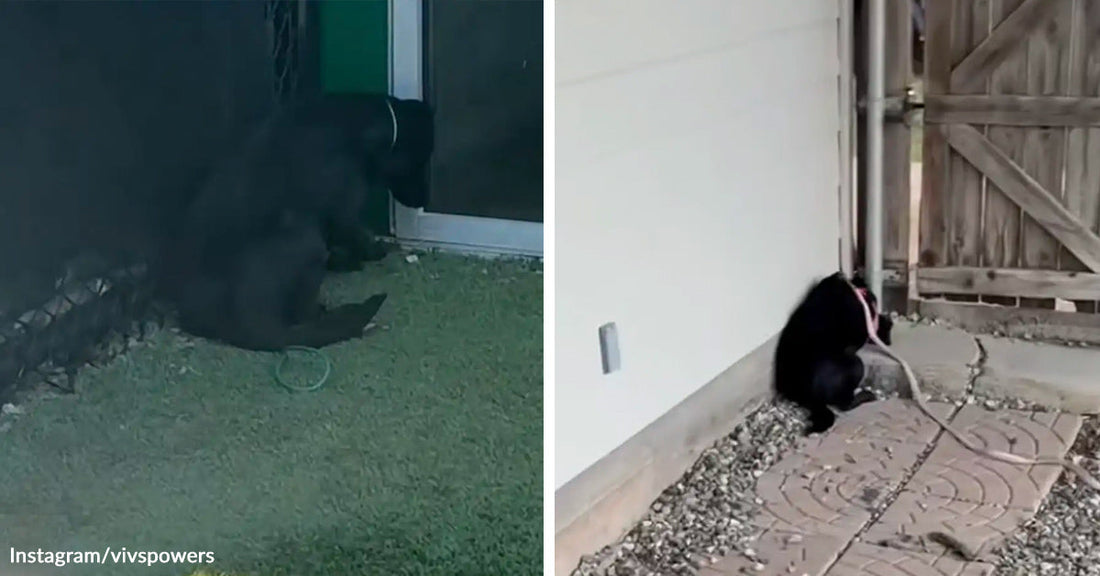
Some shelter stories quietly break the heart while also reminding us how resilient animals can be. The story of Joe, a shut down shelter dog who kept wedging himself into corners trying to disappear, carries that bittersweet mix of sadness and hope. It is a powerful glimpse into what many overlooked dogs endure in busy municipal shelters and into the extraordinary patience it can take to help them feel safe again.
At Dallas Animal Services, most dogs have learned to treat each passing person as a chance for a new beginning. When volunteer Vivian Powers visits, they typically rush to the front of their kennels, tails wagging and noses pressed to the door, hoping to be chosen for a walk or a brief playdate. On one recent visit, though, she noticed a kennel that looked still and empty. There was no nose poking through the bars, no hopeful eyes tracking her movements, only a quiet absence that immediately caught her attention.

Inside was Joe, a black dog huddled in the farthest corner of his kennel. Instead of barking or jumping, he tried to make himself as small and invisible as possible. Powers later shared that it broke her heart to watch him wedge himself into that corner, clearly wishing he could disappear from the overwhelming shelter environment. The contrast between him and the eager dogs around him said more than words ever could about how deeply he was struggling.
Joe’s history helps explain his shut down behavior. He had been found as a stray while caring for a litter of puppies. When animal control picked them up, Joe and his puppies were brought to the shelter together. For a time, he had his little family by his side. Eventually the puppies were separated from him, and after that, Joe seemed to give up emotionally. The loss of his babies and the confusion of the shelter setting left him withdrawn and deeply depressed.
Powers and a friend decided that Joe deserved more than a passing glance through kennel bars. They took him out for some yard time, hoping a quiet outdoor space might give him room to decompress. Instead of exploring the yard or sniffing around, Joe walked straight to a corner and froze there, his body turned toward the wall. Just like in his kennel, he shut out the world as best he could, as though the safest place was anywhere people could not see him.
For about 15 minutes, the two women sat near him, speaking in calm and gentle voices. They tried to coax him away from the wall with kindness and patience, giving him space rather than pressure. Joe, however, stayed locked in his own world and refused to move. His complete stillness was not defiance. It was fear and sadness so deep that even the softest encouragement could not immediately reach him.
Eventually, they decided to carefully intervene. Powers’ friend gently lifted Joe out of the corner, hoping that a change in position might help him reset. Once in her arms, Joe rested his head against a nearby window and simply watched the people moving around inside the building. That small act revealed just how overwhelmed he was and how badly he needed more focused care than a crowded shelter could offer. The volunteers already dreaded the idea of putting him back into his kennel and watching him fold himself into the corner again.
Determined to help, Powers reached out to her network to find Joe a safe place outside the shelter. That effort paid off when her friends Ashton and Alex, who run AK Fosters, offered to take Joe in for a weekend sleepover. Even leaving the shelter was hard for him at first. New spaces and new people can be frightening for a dog in his state, yet a small kindness helped smooth the transition. During the car ride to his temporary foster home, he was given a pup cup and a few ice chips, a simple treat that made the unfamiliar journey a little less scary.
At his weekend foster home, Joe met Brussels Sprouts, a resident dog who became his temporary foster brother. Joe behaved much as he had in the shelter and kept mostly to himself, not showing much interest in playing or bonding. Brussels, however, stayed close by him, quietly sharing the space without demanding attention. Powers described how this little dog seemed to understand exactly what Joe was going through. He did not rush him or overwhelm him, just remained near in the gentle ways that matter most to an anxious animal.
While Joe’s sleepover provided a short break from the shelter, Powers knew he needed something more stable. She continued to share his story, using her platform to search for a long term foster willing to give a deeply shut down dog time to heal. Eventually, a message came from a family who had recently lost their own beloved dog, Kensington Campbell. They had seen Joe’s story and felt drawn to him. In their grief and their love for Kensington, they recognized a dog in need of exactly the patient, compassionate home they were ready to offer.
Joe has since moved in with this family as their long term foster dog. He is still decompressing, and his caregivers understand that healing from trauma does not follow a neat timeline. For now, adoption can wait. The priority is helping him rebuild a sense of safety, predictability, and trust. Instead of loud kennels and constant change, Joe has a calm environment, consistent caregivers, and the freedom to withdraw when he needs to without being forgotten.
In this kind of recovery, the victories tend to be small, but they are meaningful. Powers recently described a moment when Joe chose to lie outside, curling up in a ball without pressing his face into a corner. To anyone unfamiliar with shut down shelter dogs, that might sound insignificant. To those who know how trauma shows up in canine body language, it is a powerful milestone. For a dog who once tried to disappear in every new space, simply resting in the open is a sign that safety and comfort are slowly taking root.
Stories like Joe’s highlight the importance of patient fostering, compassionate shelter volunteers, and the quiet work of giving traumatized animals time to heal. They show that progress may begin with the smallest shifts a dog lying a few inches farther from the wall, accepting a soft touch, or taking a treat in the car. Those gentle changes, supported by a “village” of people and even dogs like Brussels Sprouts, can ultimately transform a dog from invisible and shut down to seen, supported, and ready for a new life.