
Dog Was Allegedly Beaten With A Metal Trailer Hitch For More Than Four Minutes
Guest Contributor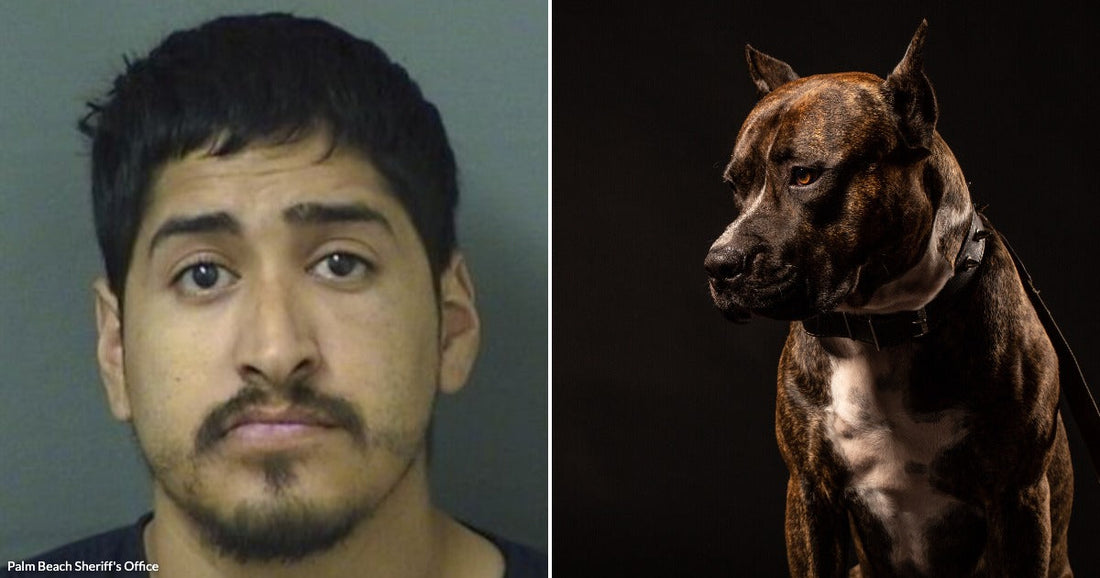
News of a South Florida man accused of beating his roommate’s dog with a metal trailer hitch has shaken many readers, both for the cruelty described and for the vivid image of a pet so profoundly harmed in its own home. The Palm Beach County Sheriff’s Office reports that Gabriel Martinez was arrested on a charge of aggravated animal cruelty after investigators reviewed video evidence that appeared to show him abusing a 4-year-old pit bull named Gypsy. For anyone who cares about animal welfare, the details emerging from this case are deeply troubling.
According to authorities, the incident started to come to light when Gypsy’s owner came home from work to an alarming and heartbreaking scene. Deputies say the roommate walked into the residence and found the pit bull lying on the ground, whimpering and bleeding. Those two details alone speak to the level of trauma the dog endured. This was not a minor injury or a momentary scare. It was immediately obvious that something serious had happened while the owner was away.

The Palm Beach County Sheriff’s Office began an investigation that quickly focused on Gabriel Martinez. Authorities say video evidence captured the assault, showing a prolonged and targeted attack on the dog. Investigators report that Martinez beat Gypsy with a metal trailer hitch and ball, a blunt and heavy object capable of inflicting significant damage. The video, deputies say, documented a sustained assault lasting four minutes and 18 seconds. That duration highlights not only the physical harm but also the prolonged distress the dog would have experienced, with no way to defend herself or escape.
As the investigation continued, the extent of Gypsy’s injuries became clearer. Deputies describe several severe injuries, including a broken paw, multiple limb fractures, bone contusions, and significant abdominal bruising. Each of these injuries suggests repeated heavy impacts, not a single moment of contact. Bone contusions point to deep tissue trauma, while abdominal bruising raises concern about internal damage that might not be immediately visible. Collectively, the description indicates the kind of beating that would leave long-term physical and psychological scars on an animal.

Palm Beach Sheriff's Office
Authorities also shared a devastating possibility that underscores just how serious this case of animal cruelty appears to be. Due to the intensity and location of Gypsy’s limb injuries, officials say she may lose one of her limbs. Amputation is never a trivial outcome for a dog and often requires extensive veterinary care, careful pain management, and a lengthy period of rehabilitation. Even when animals are resilient and adapt well to life on three legs, the fact that a companion animal might lose a limb as a result of deliberate harm is a painful reality to confront.
At the same time, the Sheriff’s Office offered one glimmer of relief in an otherwise grim account. Gypsy is currently recovering and recuperating at home. The agency notes that she is out of immediate danger and is healing under the care of her household. While the article does not provide a detailed medical update, the simple fact that she is home and being looked after suggests that veterinarians have stabilized her condition and that her caregivers are doing everything they can to support her recovery.
For many people, the phrase “aggravated animal cruelty” is not just a legal term. It carries emotional weight, especially in a community where pets are commonly considered part of the family. In this Palm Beach County case, that charge reflects what investigators say they saw on the video and what veterinary assessments reportedly revealed about Gypsy’s injuries. While legal outcomes are yet to be determined, the charge itself communicates the seriousness with which authorities are approaching the situation. The decision to arrest Martinez and move forward with this felony-level accusation signals that the Sheriff’s Office views this as more than a minor or accidental incident.
This story also highlights the importance of documentation and evidence in addressing violent acts against animals. Deputies specifically point to video footage that reportedly captured the abuse from beginning to end, timing the assault at four minutes and 18 seconds. That precise measurement indicates that investigators watched the recording carefully, documenting its duration and content. In animal cruelty cases, such evidence can be critical. It not only helps authorities understand what took place but also gives prosecutors a clearer picture if the case proceeds through the court system.
There is an emotional component here that many readers will recognize immediately. A dog like Gypsy is not simply an object or a possession. She is a living being with the capacity to feel fear, pain, and affection. Knowing that her owner discovered her whimpering and bleeding at home creates a powerful image of vulnerability. Home is supposed to be the place where a pet is safest. The idea that the alleged abuser was not a stranger but a roommate, someone sharing the same household, can be especially unsettling. It raises difficult questions about trust inside shared living spaces and about the hidden violence that can occur behind closed doors.
Animal welfare advocates often emphasize the need for communities to treat all animals with empathy and respect, and incidents like this one in Palm Beach County can serve as a stark reminder of why that message matters. While this report does not delve into broader statistics or national trends, it does illustrate how quickly a single act of cruelty can transform a safe home into a dangerous environment for a pet. When cruelty is alleged, intervention by law enforcement and prompt veterinary care become lifelines.
As the case against Gabriel Martinez moves forward, the focus for many readers naturally turns to Gypsy herself and to her path toward healing. Recovering from a broken paw, multiple limb fractures, and significant bruising will likely require time, patience, and ongoing medical support. Even as the legal process unfolds, there is quiet hope that Gypsy’s physical recovery will continue and that she will be able to regain as much comfort and mobility as possible. For now, authorities report that she is at home, surrounded by the people who care for her, which may be the most reassuring detail in an otherwise painful story.
Stories like this often leave people wondering what they can do to help protect animals in their own communities. While the article does not offer specific guidance, one clear takeaway is that reporting suspected abuse to local authorities can be a critical step. When neighbors, friends, or family members speak up, they create opportunities for intervention that may prevent suffering or even save a life. Where law enforcement, veterinary professionals, and engaged community members work together, animals have a better chance of living safely and free from harm.
In Palm Beach County, this specific case serves as both a warning and a call to awareness. It shows how vital it is to take animal cruelty seriously and to support both strong enforcement and compassionate care for victims. As Gypsy recovers, many will be quietly wishing for her continued healing and for a future where stories of such severe abuse become far less common.