
A Malnourished Dog Led Police Back To Her Caretaker
Guest Contributor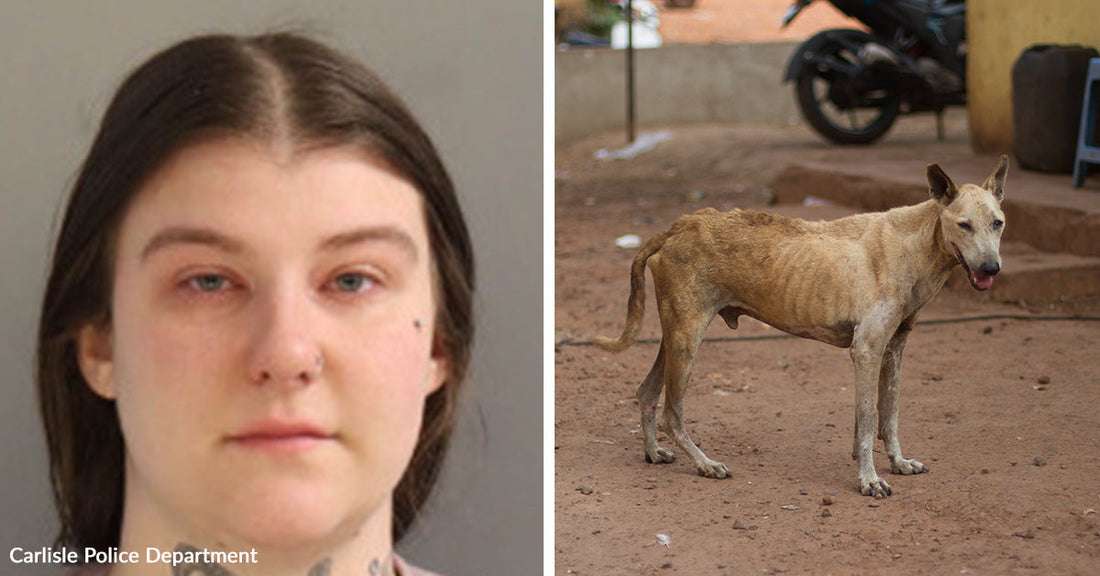
The recent arrest of 24-year-old Ashlyn Stevens in Carlisle, Pennsylvania has drawn attention to the serious issue of aggravated cruelty to animals. According to information released by the Carlisle Borough Police Department, Stevens faces one count of aggravated cruelty to an animal, one count of cruelty to an animal, and one count of neglect of an animal after a dog named Stella was discovered in an alarming state of malnourishment and neglect. Stories like this one are painful to read, yet they highlight why animal cruelty laws and responsible pet ownership remain so critically important.
The case began on January 11, 2026, when the Carlisle Borough Police Department received a report from Stella’s previous owner. The former owner had seen Stella’s photograph on a rescue site and recognized the dog, but was shocked by her deteriorated condition. Stella appeared severely undernourished in the images, which prompted the former owner to reach out to law enforcement with concern and to explain the history of the dog’s care.

According to the report, the former owner had left Stella in the care of Ashlyn Stevens after moving out of an apartment in the 500 block of North Pitt Street in Carlisle Borough. This arrangement placed responsibility for Stella’s wellbeing with Stevens. Over time, however, Stella’s condition worsened to the point that a friend of Stevens intervened. That friend ultimately turned the dog over to Castaway Critters Animal Rescue after seeing the condition of the dog in the home and recognizing that Stella needed urgent help.
When Stella arrived at the rescue, she was taken to Shores Veterinary Clinic, where officers and veterinary staff could see clear signs of prolonged neglect. Observations documented in the report describe Stella as extremely underweight. Her ribcage, spine, and hip bones were visibly prominent, indicating serious muscle loss and a lack of adequate nutrition over a significant period of time. The dog reportedly had trembling legs and badly infected ears, additional signs that her overall health had been compromised.
Veterinary staff at Shores Veterinary Clinic quickly realized that Stella required emergency care. The veterinarian on duty, who has 35 years of experience, performed surgery to address a stomach and intestinal blockage caused by the ingestion of hair. Without this intervention, the blockage would have been fatal. The veterinarian later characterized the level of neglect on a scale of 1 to 10 as a 7 or 8, with 10 being the most severe. I found this detail striking because it comes from a professional who has seen many different cases of animal suffering over several decades, yet still placed Stella’s condition near the most serious end of that scale.
The investigation into Stella’s treatment focused on what had occurred in the period when Stevens was responsible for the dog. According to the information released by the police, Stevens acknowledged that she had noticed Stella’s weight loss in the one to two weeks before the friend surrendered the dog to the rescue. Despite recognizing that Stella was losing weight, Stevens is reported to have knowingly failed to obtain veterinary care for her. This alleged failure is at the heart of the neglect and cruelty charges, since timely veterinary treatment can often prevent suffering and save an animal’s life.
When investigators examined the living conditions in the residence, they found additional evidence that contributed to the charges. A dog crate recovered from the home, which was used as Stella’s sleeping space, was found with bedding soaked in urine and feces. Mold was also present, according to officers. These findings suggest Stella was kept in an unsanitary environment over time and not provided with basic cleanliness or comfort. For many people, the idea of a companion animal sleeping in such conditions evokes a strong emotional response and underscores why neglect is treated as a serious legal matter.
Based on the totality of these facts, the Carlisle Borough Police Department charged Stevens with aggravated cruelty to animals, cruelty to animals, and neglect of an animal. Aggravated cruelty to animals is listed as a felony of the third degree, reflecting how the law classifies more severe or prolonged acts that cause significant pain or risk of death. The additional charges of cruelty and neglect, classified as misdemeanors, address other aspects of the alleged mistreatment, from the failure to seek veterinary care to the unsanitary conditions in which Stella was kept.
Following the filing of these charges, Stevens was arraigned by Magisterial District Judge Birbeck. An arraignment is an early step in the criminal process in which a defendant is formally presented with the charges and the court determines initial conditions of release. The reporting in this case does not present further procedural developments, but it makes clear that the criminal justice system is actively addressing the allegations. As with any criminal case, the legal process will continue to determine the outcome of the charges filed.
The police report also clarifies the current roles and responsibilities of the agencies involved. The Carlisle Borough Police Department notes that it has no involvement with Stella’s ongoing care. Once the dog was turned over to Castaway Critters Animal Rescue and received veterinary attention, her continued treatment and rehabilitation became the responsibility of the rescue and the veterinarians working with them. The police advise that any questions about Stella’s status should be directed to Castaway Critters, a standard distinction that separates the investigative role of law enforcement from the caregiving role of animal welfare organizations.
Cases like this often raise broader questions about how communities can prevent animal suffering before it escalates into an emergency. While the report does not speculate on motives or personal circumstances, it does highlight specific actions and inactions that led to the criminal charges. Recognizing significant weight loss, witnessing declining health, and yet not arranging for veterinary care are central elements in this case. Unsanitary living conditions only compound the harm. For readers, these details may serve as a reminder that responsible pet ownership involves proactive attention to an animal’s health and environment, not only providing food and shelter but also seeking professional help when something seems wrong.
This case also underscores the vital role that former owners, friends, and rescue organizations can play. It was the previous owner’s recognition of Stella’s image on a rescue site that triggered the report to police, and it was a friend of Stevens who ultimately brought Stella to the rescue. Their willingness to act ensured that Stella received lifesaving surgery and a chance at recovery. Animal rescue groups, in turn, often become the bridge between animals in crisis and the medical care and safe housing they need. The cooperation among individuals, veterinarians, rescues, and law enforcement can be the difference between continued suffering and a path toward healing.
For residents of Carlisle and beyond, the details emerging from North Pitt Street are difficult to read, yet they carry an important message. Animal cruelty is not only a moral concern but a criminal matter that communities take seriously. By reporting suspected neglect, supporting animal welfare organizations, and modeling responsible care, individuals can help prevent similar situations in the future. Stella’s story, as presented in the police report, is a sobering example of what can happen when care is withheld, but it is also a testament to the impact that timely intervention, experienced veterinary care, and dedicated rescue efforts can have on a vulnerable animal’s life. Read more at https://crimewatch.net/us/pa/cumberland/carlisle-pd/5632/arrests/stevens-ashlyn-1-count-aggravated-cruelty-animal-f3-and-2-additional-charges