
Stress Relief Foods to Calm Your Mind and Nourish Your Body
Guest Contributor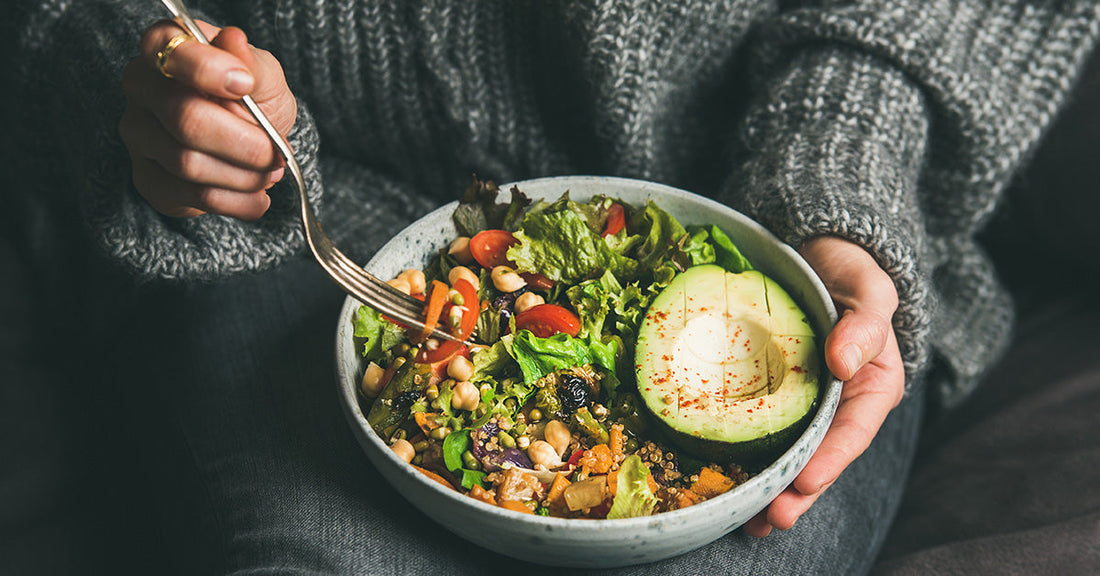
Stress and food are closely linked for many people. Some find themselves raiding the pantry whenever life feels overwhelming, while others lose their appetite altogether. Both reactions reflect the strong connection between the mind and body, particularly how our nervous system interacts with digestion. When stress hits, it often nudges us toward whatever food is easiest and quickest, which can lead to weight gain and poorer overall health. Yet the relationship between stress and eating is not all negative. Certain foods appear to support the body’s stress response and can be thoughtful choices when anxiety or tension rise. Choosing foods that reduce stress can be one more way to care for both body and mind.
When a stressful event occurs, the body releases cortisol, often called the “stress hormone.” Cortisol is not inherently harmful. It helps us power through difficult moments and keeps us alert to challenges. Problems arise when stress is frequent or constant. A steady stream of cortisol can begin to take a toll on health, and many people feel this as ongoing tension, fatigue, irritability, or trouble sleeping. The content from Brown Health reports that several everyday foods may help lower cortisol levels or ease anxiety, which in turn can support a calmer mood and improved well-being.
What to Eat
Avocados appear frequently in discussions about stress relief, and for good reason. They are rich in magnesium and fiber, two nutrients that are associated with lower cortisol levels. Avocados also provide heart-healthy monounsaturated fats, which support cardiovascular health. Adding sliced avocado to toast, salads, or grain bowls can be a simple way to bring more of these nutrients into a regular diet. Because they are satisfying and nutrient dense, avocados may also help curb the urge to snack endlessly on less nourishing foods during tense moments.

Beans and lentils offer another powerful combination of nutrients that relate to mental health. Like avocados, they contain a high amount of fiber, which has been linked to lower anxiety and distress. Fiber supports digestion, and a healthy digestive system is increasingly understood to be connected with emotional well-being. Chickpeas in particular provide fiber, magnesium, and L-tryptophan. The body uses L-tryptophan to create serotonin, a chemical messenger that plays an important role in mood. Dishes that feature beans and lentils, such as soups, stews, or salads, can be comforting, filling, and supportive of both physical and emotional resilience.
Foods rich in omega 3 fatty acids also show promise in helping the body navigate stress. Omega 3 fatty acids support the body’s ability to fight inflammation and may protect against cortisol surges. They are also associated with a lower risk of heart disease, which is often a concern for people experiencing long periods of stress. Fatty fish, such as salmon, tuna, sardines, and mackerel, are among the best sources of omega 3 fats. For those who eat less fish, omega 3s can also be found in plant foods including avocados, chia seeds, flax seeds, olive oil, and walnuts. Incorporating these foods into meals can provide a foundation for both heart health and stress management.

Fermented foods bring attention to another important aspect of stress relief: gut health. Options like sauerkraut, kimchi, and kombucha support beneficial bacteria in the digestive tract. The article notes that fermented foods have been shown to help reduce symptoms of depression and anxiety. This reflects growing research into the gut brain connection, where a balanced gut environment appears to contribute to more stable mood and less distress. A spoonful of kimchi as a side, a small serving of sauerkraut with a meal, or a glass of kombucha can be simple ways to introduce more fermented foods into the day.
Fruits are a familiar and accessible choice when seeking healthier stress relief foods. They provide vitamins, minerals, fiber, and natural sweetness. Fruits high in vitamin C, such as citrus fruits and strawberries, stand out in particular. A deficiency in vitamin C has been linked to a higher risk of stress related disease, and supplements of vitamin C have shown therapeutic effects in some research. Whole fruits also invite a more mindful way of eating. Peeling an orange, noticing its texture, and paying attention to its scent and taste can gently draw attention away from racing thoughts.

Leafy greens and other vegetables add another layer of support. Spinach, kale, and broccoli are all high in fiber, similar to beans and lentils. The article points to research showing that higher fiber intake is associated with reduced odds of depression in women. These vegetables also provide a variety of vitamins and minerals that nourish the body during stressful periods. Whether steamed, sautéed, or blended into smoothies, leafy greens and cruciferous vegetables fit well into many meals.
Nuts round out the list of stress supportive foods. They contain a variety of vitamins, protein, and heart healthy fats, along with important minerals. One mineral highlighted in the article is selenium, which has been shown to help lower postpartum depression. While postpartum depression is a specific condition, this connection suggests that minerals in nuts may play a role in mood regulation more broadly. A small handful of nuts can be a convenient snack that offers more than just quick energy.
What to Avoid
While some foods appear to ease stress, others may intensify it. Caffeine is a common example. As a stimulant, caffeine can increase feelings of jitteriness and make a person feel more on edge, especially during periods of high stress. It can also disrupt sleep patterns and contribute to inconsistent or insufficient rest, which then feeds back into feeling more stressed. Alcohol may seem like a shortcut to relaxation for some people, yet it is linked with poorer sleep quality and can lower serotonin, the hormone that influences mood. Over time, relying on alcohol to manage stress can leave a person feeling worse emotionally and physically.

Sugar and artificial sweeteners are also associated with an increased risk of depression. The article encourages people to watch for foods that are high in sugar but low in other nutrients. It offers a helpful comparison between eating an orange and drinking orange juice. Eating the fruit involves texture, scent, and taste, which can gently ground the mind and slow anxious thinking. Juice, which is higher in sugar and lower in vitamins and minerals, does not offer the same tactile or mindful experience. This illustrates how the form of a food, not just its ingredients, can influence how it affects stress and mood.
Mediterranean Diet
Patterns emerge when looking at all of these recommendations together. The foods that help reduce stress align closely with eating patterns such as the Mediterranean diet or plant based diets that include fish. These ways of eating emphasize whole grains, fruits, vegetables, heart healthy fish, and nuts, which support both physical health and mental well-being. While no single food can erase stress, consistently choosing options that nourish the body can create a stronger foundation for handling life’s challenges. At the same time, cravings and emotional eating are common human responses to worry and pressure. Instead of judging those impulses, it can be helpful to gently steer them toward foods that genuinely benefit body and mind.
The article also recognizes that there are limits to what food alone can do. Feeling stressed and anxious from time to time is part of being human. However, if those feelings are present most of the time, it may be important to reach out. Talking with a trusted friend or loved one can be a helpful first step. A licensed therapist can offer additional support, and for more intensive periods of stress, a partial hospitalization program may be appropriate. Using food wisely is one tool among many for managing stress and anxiety, and it works best alongside rest, social connection, movement, and professional care when needed. For more help on living well, visit the Be Well blog. Read more at https://www.brownhealth.org/be-well/eating-stress-relief-foods-can-help-reduce-stress