
🚨Urgent: Missile Strikes Shelter in Ukraine! Rush Emergency Aid!
Shelter’s Oldest Dog Leaves The Kennel For One Weekend And Finds The Life He Waited Years To See
Guest Contributor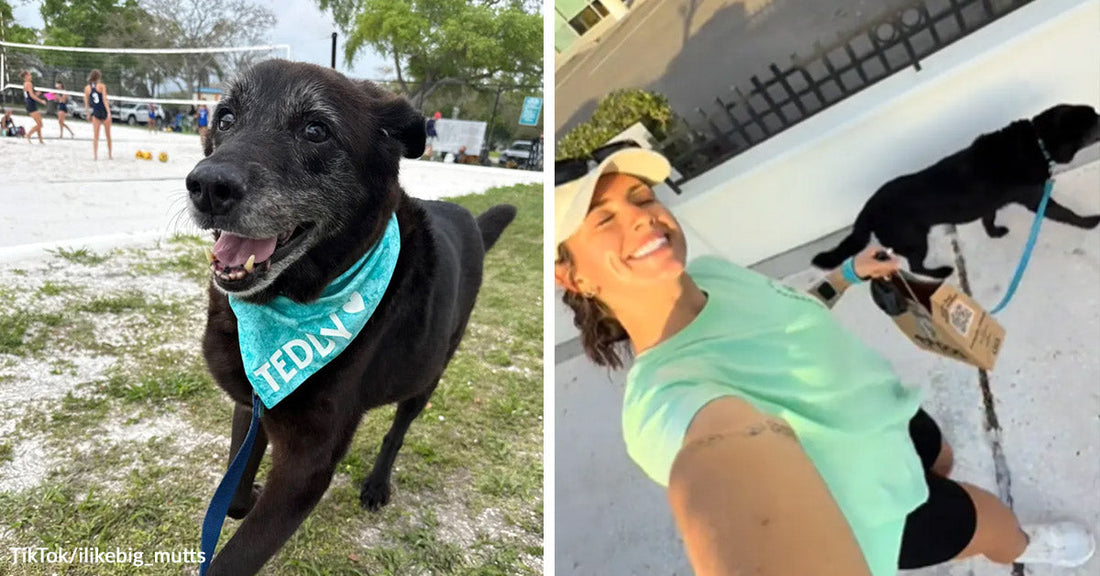
A senior dog named Teddy recently went from the oldest dog in a Florida shelter to a beloved family pet, thanks to a simple idea that many animal organizations now promote: a short-term “weekend getaway” foster. His story captures why temporary fostering and senior dog adoption can matter so much, both for animals and the people who care for them.
Teddy’s journey began at the Humane Society of Sarasota County in Florida, where he arrived from another shelter with very little known about his past. Staff estimated that he was about 10 years old, which placed him firmly in the category of a senior dog. Across the United States, older dogs often wait much longer for adoption than puppies or younger adults, even when they are gentle, calm, and well-suited to home life. Shelters and rescue groups consistently report that seniors are among the hardest animals to place, despite the fact that many are already house-trained and familiar with living in a home.

At HSSC, a high school teacher named McKenzie Garner volunteers as a regular dog walker and foster caregiver. While walking Teddy, she noticed that he never relieved himself in his kennel. For her, this was a clear sign that he had likely lived in a house before and was trying to maintain his house training even in the stressful shelter environment. She told Newsweek that she was troubled by the thought of him holding his bladder for long periods of time in a kennel. Concern for his comfort led her to ask the shelter’s adoption manager if she could take him home for a weekend sleepover.
Many shelters now rely on short-term foster programs, sometimes called “pop-up fosters” or “weekend getaways,” where volunteers take adoptable dogs home for a few days. These brief stays can lower stress for the animal, create space in the shelter, and give staff valuable insight into how a dog behaves in a typical household. That information can mean the difference between a successful adoption and a dog being returned later because their needs or habits were not fully understood. Teddy’s experience highlights how powerful a few days out of the shelter can be.
With official approval, Garner brought Teddy home from Friday through Monday. She intentionally filled the weekend with activities that would both enrich his life and give people an opportunity to meet him. Teddy had a bath at a local pet store that supports shelters, then joined outings to dog-friendly restaurants. He attended a half-marathon to cheer on runners, visited a beach volleyball game, and wore an “adopt me” bandana that let the public know he was looking for a home. Between these outings, there was plenty of time for what Teddy reportedly loved most: cuddling and being petted.
Garner routinely shares videos of adoptable dogs from HSSC on social media, and Teddy was no exception. Clips of his sleepover quickly drew attention. Many viewers responded with encouragement and affection for Teddy, moved by the sight of a senior dog soaking up affection and adventure. Some people, however, expressed concern. They worried that it was unkind to offer an older dog a joyful weekend only to bring him back to a kennel, and a few accused the volunteer of giving Teddy “false hope.”
In response, Garner created a follow-up video that explained the purpose and benefits of short-term fostering. She emphasized that time in a home environment allows volunteers and staff to learn how a dog handles everyday situations. This knowledge is critical because, according to her, a lack of information about behavior in the home can be a major reason that dogs are adopted and then later returned. By observing Teddy closely, she could provide potential adopters with a realistic, detailed picture of what living with him would be like.
Over the course of the weekend and beyond, Garner discovered that Teddy was good with other dogs and comfortable around cats. He was gentle with young children, stayed calm in public places, behaved well in the car, and did not show food aggression. These qualities are often high on the list for people considering senior dog adoption, since families and retirees alike tend to value predictability and a relaxed temperament in an older pet. At the same time, Garner noted some challenges. Teddy showed signs of separation anxiety and barked when left alone. Rather than being a drawback, this honest assessment gave future adopters the chance to prepare and decide whether they could meet his needs.
Physically, Teddy also showed small but meaningful progress. Garner reported that each day he improved at walking up stairs, jumping into the car, and getting onto the bed. For an older dog, these changes suggest that with a bit of support, patience, and practice, a senior pet can regain confidence and mobility in a stable environment. Details like these can help people understand that age does not prevent dogs like Teddy from enjoying active, engaged lives.
When the initial weekend ended, Garner did not immediately return Teddy to a kennel. Instead, she continued to foster him while HSSC worked to find a permanent placement. Keeping him in a home setting not only spared him from the stress of kennel life but also freed up a space at the shelter for another dog in need. Ultimately, Teddy was adopted by a retired couple who already had a cat, a situation that seems to match his calm temperament and proven compatibility with other animals. Garner described this as his “perfect fit,” since both Teddy and his adopters benefited from the detailed behavior notes that fostering made possible.
Reflecting on Teddy’s story, Garner expressed hope that more people will consider getting involved with their local shelters, even if they cannot commit to adoption. She acknowledged that not everyone has the emotional capacity to foster a dog, enjoy bonding with them, then say goodbye when the animal is adopted. She was clear that this hesitation is understandable and valid. At the same time, she pointed out that each foster stay that leads to a successful adoption creates space and opportunity for another dog waiting at the shelter.
I found it striking that what began as a simple concern for an older dog holding his bladder turned into an example of how small acts of care can ripple outward. A weekend sleepover provided crucial behavioral insights, gave Teddy a chance to relax and shine outside the shelter, and ultimately helped him connect with adopters who were a strong match for his needs and personality. For those who wonder how to support animal welfare without adopting permanently, Teddy’s experience suggests that even temporary fostering, social media sharing, or volunteering as a dog walker can have a lasting impact on a senior animal’s life.