
💜 Thanksgiving Food Drive for Shelter Pets Help Us Feed 1 Million Shelter Pets!
Snorkel Guides Cut a Rope Off a Whale Shark Near Waikiki in a Hawaii First
Guest Contributor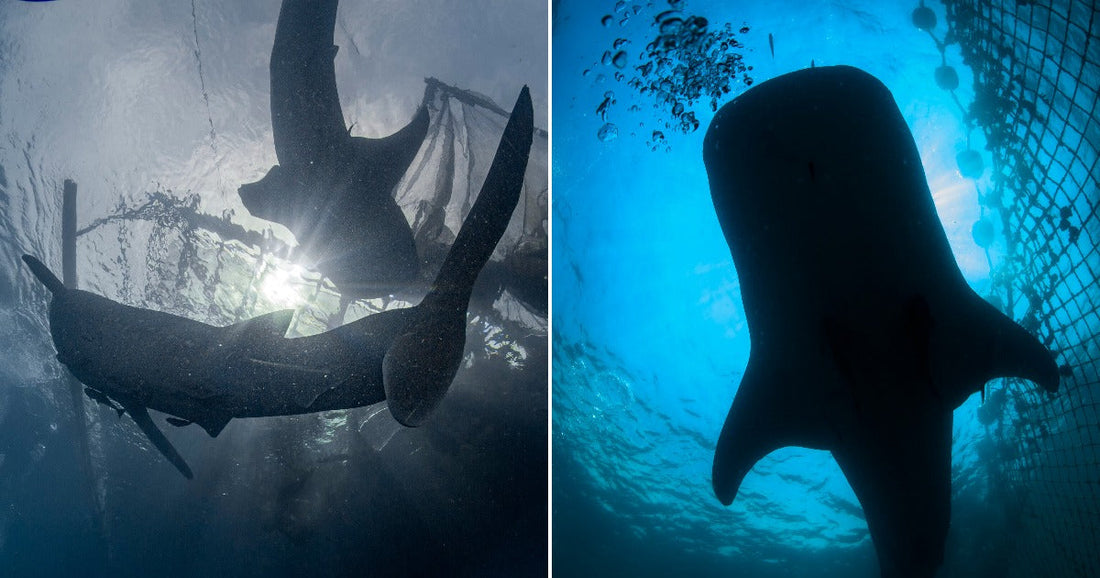
A routine snorkel tour turned into an unforgettable rescue story off Waikiki, where divers helped free a tangled whale shark at the popular Turtle Canyon reef. What began as a typical morning in the water quickly became a rare and emotional encounter with the world’s largest fish, and a powerful reminder of how human debris can affect marine life. For anyone who cares about ocean conservation or simply loves stories of humans stepping up to help wildlife, this whale shark rescue near Waikiki is both inspiring and instructive.
The encounter started when Island Splash Tours staff were in the water guiding guests on a snorkel trip. While the group was exploring the reef, the crew remaining on the boat began waving urgently to get their attention. Photographer Emma Carlton recalled that this usually signals something exciting in the water, so she and the others expected a memorable sighting. That expectation proved right when the crew pointed out a whale shark swimming nearby, close to the surface.

For Carlton and business owner Preston Heede, the moment was already extraordinary even before they realized anything was wrong. Both had dreamed of seeing a whale shark up close, and this was the first time they had ever encountered one in person. The significance of the sighting took a few moments to sink in. At first, Carlton focused only on the thrill of seeing the gentle giant. It took her several seconds to notice the rope encircling the animal’s body.
Once Heede and Carlton recognized that the whale shark was entangled, the tone of the encounter shifted from awe to urgency. Heede immediately began asking nearby boats for a knife. That request alone hinted at the seriousness of the situation. A rope wrapped tightly around such a large animal can cause injury, restrict movement, and potentially threaten its survival. After a few tense minutes, a deckhand from another vessel handed over a knife, giving the group their first real chance to help.
The whale shark was swimming relatively close to the surface, about 10 feet below, which made the rescue attempt possible. According to Carlton, this shallow depth allowed Heede to repeatedly dive down to reach the rope, then return to the surface for air. This kind of effort is strenuous even in calm conditions, and here it unfolded among multiple snorkelers and onlookers all reacting in real time to the unfolding drama.

Word and excitement spread quickly among the surrounding boats. Around 10 to 15 people from different vessels joined the effort, some equipped with knives, others with cameras like GoPros. The situation grew hectic as everyone tried to help the whale shark at once. Carlton described the scene as chaotic. In the confusion, there was a risk that scattered cuts to the rope might simply fray it without truly freeing the animal.
Recognizing that the group needed direction, Heede spoke up and urged everyone to concentrate on cutting one specific section. This was important because the rope was extremely thick, reportedly as large around as his leg. Coordinating efforts in one place was the only realistic way to slice fully through it. This quick leadership transformed a chaotic response into a focused rescue.
The effort was not quick. It took around 30 minutes of concerted work before the whale shark was finally freed from the heavy rope. Throughout the process, the animal stayed near the surface and, as Carlton described it, seemed unusually calm. Observers later noted that the whale shark lingered at the surface for about 10 minutes, allowing the divers to continue cutting. Some on scene interpreted this as a sign the animal recognized the divers were trying to help. While scientists are careful about attributing intent, the behavior clearly allowed the rescue to succeed.
When the rope finally separated, the whale shark descended, reportedly diving to about 30 feet below the surface. Meanwhile, Heede brought the massive section of rope back on board the tour boat. Guests who had started the day expecting sea turtles and reef fish instead witnessed a rare conservation moment unfold in front of them. The sight of the thick, discarded gear lying on deck created a powerful visual connection between human activity and its impact on marine animals.
Carlton later delivered the rope to the Hawaii Department of Land and Natural Resources. Staff there told her that this was the first time entangling gear had ever been removed from a whale shark in Hawaii’s recorded history. That detail highlights just how unusual the encounter was. Whale sharks themselves are rare visitors, and the opportunity to intervene successfully in an entanglement is rarer still. Officials plan to study the rope in hopes of understanding where it came from and how such gear might be better prevented from harming marine life in the future.
For Carlton, one of the major takeaways was how clearly this incident illustrated the real-world consequences of marine debris. She emphasized the importance of not leaving trash, nets, or ropes behind in the ocean. Even a single length of rope can become a serious hazard when it drifts through habitats used by creatures as large as whale sharks. Many conservation messages can feel abstract, but seeing a juvenile whale shark constricted by a rope as thick as a human leg offers a tangible example of why responsible ocean practices matter.
Biologists determined that the whale shark involved in this incident was a juvenile female, which Carlton fondly referred to as a “little teenager.” That detail adds another emotional layer to the story. Many people already feel strong empathy for whale sharks, known worldwide as gentle filter feeders that pose no threat to humans. Learning that this particular animal was still young underscores what was at stake if the entanglement had gone unnoticed.
The successful rescue also highlights how ordinary ocean users can play a constructive role in wildlife protection. The people involved were not part of a dedicated research team or a specialized response unit. They were snorkel guides, tourists, and crew members who reacted quickly and cooperatively when they realized an animal was in distress. In that sense, this whale shark rescue off Waikiki reflects a broader truth about marine conservation. Awareness, preparedness, and a willingness to act safely and responsibly can sometimes make a direct difference.
For the Island Splash Tours crew, this day will likely be remembered as both a dream fulfilled and a call to action. They finally saw a whale shark in the wild and, at the same time, confronted a vivid example of how human-made hazards follow even the most magnificent animals through their ocean home. The story concludes on a hopeful note. The whale shark swam away free, the rope is now in the hands of experts, and the people involved are sharing their experience in hopes that others will think twice before leaving anything behind in the sea. Carlton, still inspired by the encounter, expressed hopes of one day spotting other awe-inspiring species such as an oceanic manta ray or even an orca. The Waikiki whale shark rescue may have lasted only half an hour underwater, but its impact on those who were there and on those who hear about it is likely to endure much longer.
Read more at https://www.hawaiinewsnow.com/2026/11/12/divers-free-tangled-whale-shark-off-waikiki/