
Woman Faces Prison After 24 Animals Found In Deplorable Conditions
Guest Contributor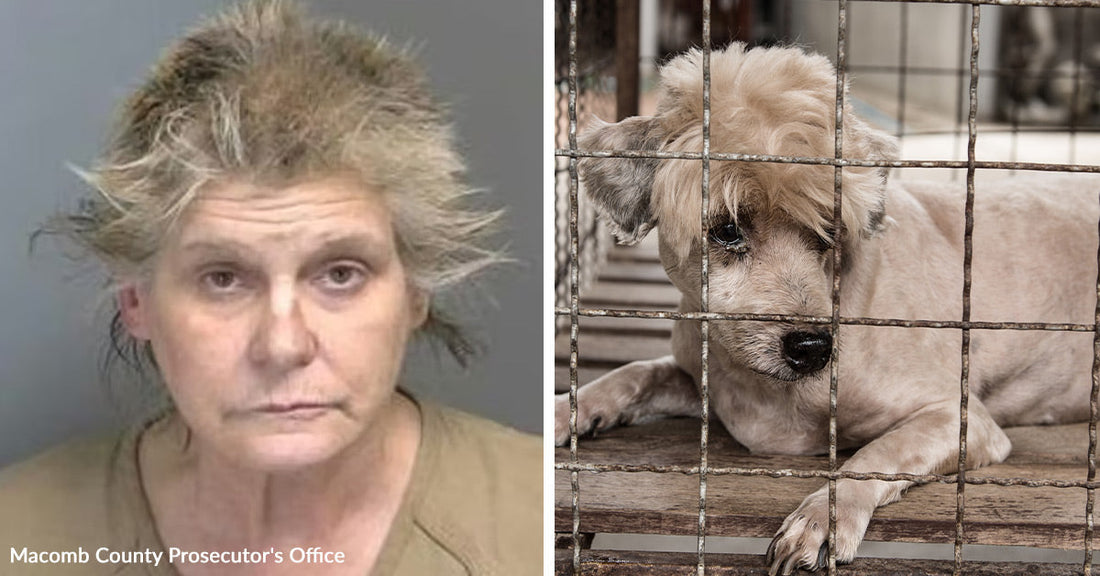
News that a cruelty case is moving forward against a Warren woman found with 24 animals in her home has stirred strong emotions among many readers. The story, centered on a felony charge of Animals – Abandoning/Cruelty to 10 or More Animals, raises difficult questions about responsibility, accountability, and how communities respond when animals are at risk. As details emerge, the situation offers an opportunity to reflect on both the legal process and the broader issue of animal welfare.
According to information released by the Macomb County Prosecutor's Office, 57-year-old Michelle Reyntiens of Warren is facing a felony charge that could result in up to four years in prison. Authorities report that two dozen animals were found inside her home, which triggered an investigation and ultimately led to the criminal charge. While the specific conditions the animals were found in have not been fully detailed in the publicly available summary, the decision to pursue a charge of cruelty to 10 or more animals signals that officials viewed the situation as serious enough to merit a significant legal response.
The charge itself, Animals – Abandoning/Cruelty to 10 or More Animals, is a specific felony offense that reflects how the law treats large-scale animal cruelty cases. In Michigan and many other states, animal cruelty laws are structured so that penalties grow more severe as the number of affected animals increases or as the level of neglect or abuse rises. In this case, prosecutors have indicated that the presence of 24 animals in the home meets the threshold for the felony charge that carries the potential four-year prison sentence.
One procedural detail that stands out is the defendant's decision to waive her Preliminary Exam. The Macomb County Prosecutor's Office noted that Reyntiens chose not to have this hearing, which is typically one of the early steps in a felony case. A preliminary examination is usually used to determine whether there is enough evidence to send a case to trial. By waiving that step, the case moves forward without that particular hearing, and the focus turns to the next stages of the criminal process. While legal strategies vary, the choice to waive a preliminary exam is not uncommon and does not itself indicate guilt or innocence.
For many people who care about animal welfare, reading about 24 animals discovered in a single home can be especially troubling. Even without a detailed description of the conditions, it is easy to imagine the strain that number of animals might place on a private residence, particularly if resources, space, or proper care are lacking. Situations like this often raise concerns about overcrowding, sanitation, and whether the animals' basic needs for food, water, and veterinary attention are being consistently met.
At the same time, the legal concept of animal cruelty is broader than some might realize. It can encompass intentional abuse, such as physical harm, as well as neglect, which might involve failing to provide adequate care. When large numbers of animals are involved, authorities often have to quickly assess each animal's condition and determine whether immediate intervention is necessary to protect their health and safety. While the brief report does not list specific medical findings for the animals, the felony charge itself suggests that investigators believed the situation crossed a serious legal threshold.
The community impact of a case like this can be wide. Residents of Warren and the surrounding area may feel anger, sadness, or confusion about how such a situation developed inside a neighborhood home. Local animal shelters, rescues, and advocacy groups may be drawn into the response, whether through caring for the animals after removal, helping with foster placement, or raising awareness about the importance of reporting suspected cruelty. When a case enters the public record, it can also encourage more people to learn about local animal cruelty laws and how to contact authorities if they suspect a problem.
Criminal cases involving animals also highlight the balance courts try to strike between protecting vulnerable beings and ensuring due process for the accused. Reyntiens, like anyone charged with a crime, has the right to a legal defense and to challenge the evidence against her. The decision to waive the preliminary examination simplifies one step of the process but does not end the matter. Future court dates, negotiations, or possible trial proceedings will determine whether there is a conviction, a plea agreement, or some other resolution under the existing animal cruelty statute.
There is also a broader conversation about prevention that often follows reports of large-scale animal cruelty. Readers might wonder what early warning signs could have alerted neighbors or agencies to intervene sooner, or whether mental health, financial hardship, or other life challenges played a role. Without more specific information, it would be speculative to draw conclusions about the personal circumstances behind this case. Still, the situation can serve as a reminder that support systems for pet guardians, such as low-cost veterinary services, spay and neuter programs, and community outreach, may help reduce the risk of neglect before it reaches a criminal level.
For those who feel deeply affected by stories of animals in distress, there are constructive ways to respond that honor that concern. Staying informed about local laws, supporting shelters and rescues with donations or volunteer time, and being willing to report suspected cruelty or neglect can all contribute to stronger protections for animals. Even small steps, such as encouraging responsible pet ownership among friends and family, help create a community culture that values humane treatment.
The case against the Warren woman found with 24 animals in her home is still unfolding within the court system. As it moves forward, more information may become available about the conditions the animals experienced and the legal outcome for Reyntiens. For now, the felony cruelty charge, the potential four-year sentence, and the decision to waive the preliminary exam together underscore how seriously local authorities are approaching the situation. Readers following the story may find themselves reflecting on how individual choices, community vigilance, and the legal system intersect to protect animals who cannot speak for themselves. Read more at https://www.audacy.com