
Two Cruelty Convictions After 12 Year Old Cat Was Locked In A Bathroom For Four Weeks
Guest Contributor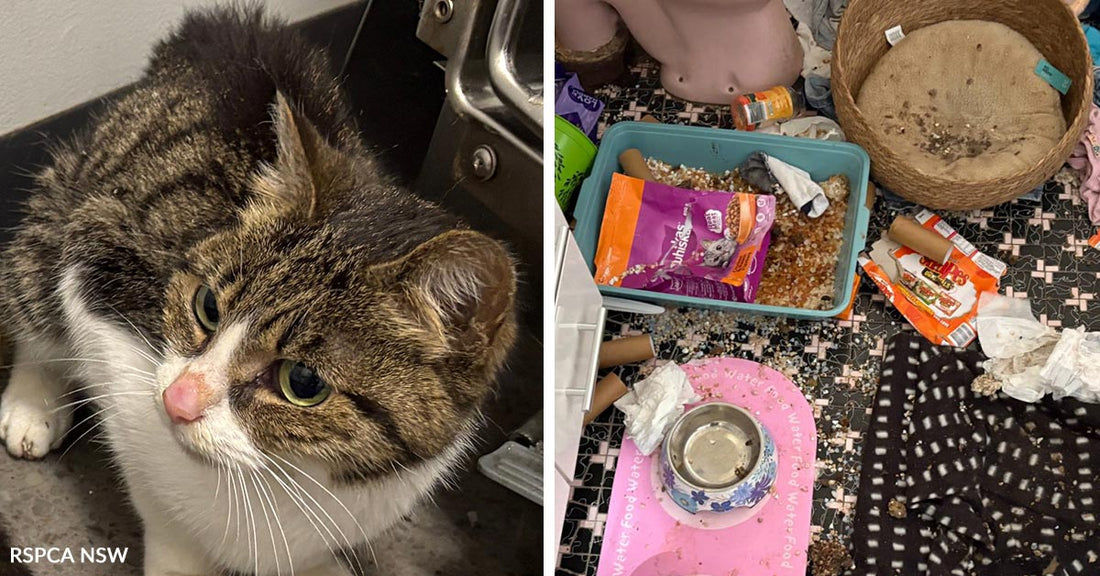
The story of a Wollongong couple convicted of animal cruelty after leaving their elderly cat locked in a bathroom for four weeks is deeply distressing. It is also a stark reminder of how crucial consistent care and compassion are for companion animals. This case, investigated by RSPCA NSW, shows both the severe suffering that neglect can cause and the role that animal welfare laws play in seeking justice when that suffering occurs.
According to details presented in Wollongong Local Court in August 2025, the husband and wife pleaded guilty to four offences under the Prevention of Cruelty to Animals Act 1979 (NSW). Their 12-year-old cat, Princess, was left confined in a bathroom with no access to food or water for an estimated four weeks. Unopened packets of wet food were reportedly found outside the bathroom door, but none had been placed where the cat could reach them. Inside the cramped space, the only sign of prior care was an overflowing litter tray covered by an empty cat food bag.

The situation came to light when an RSPCA NSW Inspector attended the property in May 2025 after a cruelty complaint about a cat possibly abandoned inside a house. The Inspector tried for two consecutive days to reach someone at the address, during which time the sound of a cat meowing from inside raised serious concern. When no one responded, a search warrant was applied for and granted through the NSW Local Court. RSPCA NSW Inspectors used the warrant to enter the home, where they found Princess shut in the bathroom in an emaciated state.

RSPCA NSW
The cat’s condition was critical. The Inspector who opened the door later described hearing desperate cries and seeing the animal in such poor shape as both heartbreaking and unacceptable. Princess’s hip bones were protruding and clearly visible, and her overall appearance reflected prolonged deprivation. She was seized immediately and taken to a local veterinarian for urgent treatment before being transferred to the RSPCA NSW Sydney Veterinary Hospital in Yagoona for ongoing care.
On intake at the veterinary hospital, Princess weighed only 1.65 kilograms. During examination, veterinary staff assessed her body condition using the TUFTS Animal Care and Condition scales. On that scale, she received a body score of 5 out of 5, where 5 represents an emaciated animal and 1 indicates ideal condition. This classification reflected extreme underweight status and severe loss of body mass. In addition to her emaciation, Princess was found to be suffering from grade 3 out of 4 dental disease, a serious level of oral health deterioration that can cause pain, difficulty eating and longer term health problems.

RSPCA NSW
In an interview with the RSPCA Inspector, the defendants expressed regret for what had happened and said that they could not return to the property because they had a sick child. The Magistrate rejected this explanation during sentencing. The court was told that the couple’s new home was only about a 10 minute drive away from the property where Princess had been left. The Magistrate noted that one of them could have made the short trip to provide food, water or veterinary assistance, and emphasised that the excuses offered did not justify the suffering the cat endured.
The sentencing remarks, as reported, were unequivocal in condemning the neglect. The Magistrate is quoted as saying that there was no excuse and that no sentence would make up for what happened to the cat. The court highlighted that animal welfare legislation exists specifically to protect animals that cannot care for themselves. Companion animals depend on their guardians for food, water and medical care when needed, not to be shut away and forgotten. The Magistrate drew attention to the length of the relationship as well, noting that Princess had been the couple’s companion animal for 12 years, yet for four weeks they did not give her a single thought while she was locked in that bathroom.
The legal outcome reflected the seriousness of the offences. The husband and wife were each convicted and placed on a six month Community Corrections Order. They were fined $9,000 each and disqualified from purchasing or keeping animals for two years. The court also ordered them to pay animal care costs totaling $2,388 to RSPCA NSW. While penalties cannot reverse what Princess went through, they serve as an official recognition that this level of neglect and cruelty is unacceptable and punishable under the law.
Despite receiving intensive care, Princess’s story ended sadly. She remained in RSPCA NSW’s care for 65 days. Throughout that period, veterinary, shelter and behaviour teams worked to improve her physical health and emotional wellbeing. Staff focused on providing consistency, choice and regularly available resources to meet her intrinsic needs. However, the psychological impact of her experience was profound. Over time, it became clear that Princess had developed severe and inescapable fear and anxiety, combined with conflict around the provision of food by human carers. The organisation noted that some cats develop such deep seated issues when their basic needs have not been met over an extended period.
Eventually, it was determined that Princess was in a condition that made it cruel to keep her alive. She was humanely euthanised, a decision that balanced her unresolvable suffering with the obligation to prevent further distress. I found this detail striking because it illustrates that cruelty is not only about physical injury or starvation. Emotional trauma, fear and anxiety can be so intense that even with the best efforts of experienced carers, an animal may not be able to return to a state where life is comfortable or secure.
The Inspector in charge, Tyson, reflected on the case with visible sorrow. He spoke of how people often react to his work by saying they do not know how such things can be done to animals. In this matter, he shared those same thoughts and described being unable to find an answer for why Princess had to endure so much suffering, especially when it was so easily avoidable. Hearing her cries while she was trapped in the bathroom and then seeing her physical state made a lasting impact. Tyson said that this was a matter he would carry with him forever, a powerful indication of how confronting animal cruelty is for those who respond to it.
Beyond this one case, the story underscores the importance of community vigilance and responsible pet ownership. Companion animals like Princess rely entirely on humans for their survival and quality of life. When that trust is betrayed, the consequences can be tragic. Community members who notice signs of neglect or abandonment can play a vital role by reporting their concerns to the appropriate authorities so that Inspectors can investigate. Taking action rather than looking away can mean the difference between prolonged suffering and timely intervention.
This Wollongong case stands as a sobering example of how neglect can escalate into severe animal cruelty, even without overt violence. It highlights the protective purpose of the Prevention of Cruelty to Animals Act 1979 (NSW), the dedication of RSPCA NSW Inspectors and veterinary teams and the emotional toll such work can take. At the same time, it serves as a reminder that everyone who lives with animals has a clear duty to provide food, water, safe shelter and medical care and to seek help if they can no longer meet those responsibilities. Princess’s story is painful to read, yet sharing it can strengthen collective resolve to prevent similar suffering in the future.