
Dogs Held For 371 Days In Legal Limbo Finally Get The Chance To Be Loved
Guest Contributor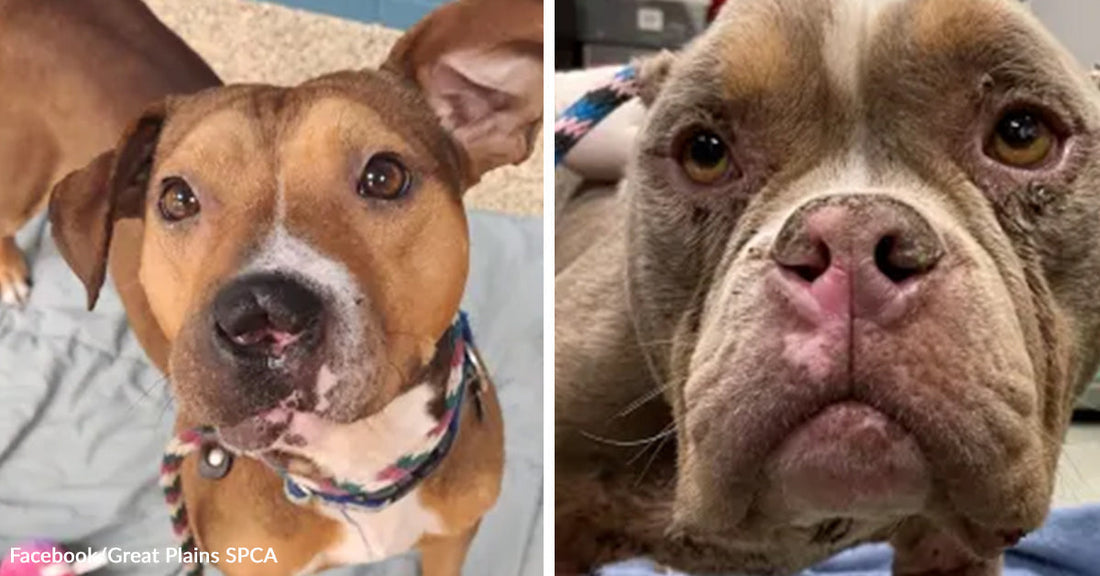
For more than a year, three dogs in Kansas City, Kansas waited in quiet limbo. Bubby, Donnelly, and Thor had been rescued from a situation of neglect and animal cruelty, yet they were not allowed to start new lives. Because their fate was tied to an ongoing legal case, the Great Plains SPCA shelter that took them in could not put them up for adoption, promote them publicly, or even tell their full story. Only after 371 days, once the court case concluded, could these long-term shelter dogs finally be offered the justice and fresh start they deserved.
The story, shared by Great Plains SPCA’s Tracy Lewandowski, captures how complicated the path to safety can be for animals seized in cruelty cases. Legal proceedings often move slowly, with investigators and attorneys working through complex evidence and procedures. During that time, the dogs remained in the custody of the shelter, receiving daily care, medical treatment, and emotional support. Yet they were not officially free. I found this detail striking, because it shows how rescue is not always a single dramatic moment but sometimes a long, quiet wait.

When the dogs first arrived, their injuries reflected significant suffering. According to Lewandowski, Bubby and Donnelly both had facial wounds that appeared to be bite related. Bubby’s injury was infected, while Donnelly’s had healed but left a deep impact. Tissue was missing from his nose, lips, tongue, and chin, leaving visible evidence of past trauma. Thor’s condition was even more serious. He had several lacerations on his right front leg, with bone exposed. The leg was swollen, infected, and necrotic, meaning the tissue was dying and could not be saved.
Great Plains SPCA stepped in to provide the kind of intensive veterinary care that cruelty survivors often require. All three dogs needed the basics such as consistent food, shelter, and standard vaccinations over the course of a full year. Bubby received medication to fight his infection. Each of the three underwent dental procedures to remove damaged teeth, which had likely caused significant pain. Thor required emergency surgery soon after arriving at the shelter. Veterinarians amputated his injured leg, transforming a life-threatening wound into a manageable disability and giving him a real chance at a pain-free future.
They were also neutered and microchipped, an important part of responsible shelter care. Neutering helps prevent future litters and reduces the strain on shelters already operating at high capacity. Microchipping offers an added layer of safety, making it easier to reunite animals with their families if they are ever lost.
The broader context makes their story feel even more urgent. The American Society for the Prevention of Cruelty to Animals reports that around 6.3 million pets enter U.S. shelters every year, which averages out to about 17,260 animals a day. Data from the 24Pet Shelter Watch Report shows that shelters took in 46,807 dogs and cats in January 2023, an increase compared with the same month a year earlier. In this crowded landscape, space, time, and resources are limited. When a small group of dogs must remain in care for hundreds of days due to a pending court case, it represents a major commitment from a shelter.
In October 2023, the legal case that had kept the three dogs in limbo finally reached a conclusion. Their previous owner, who according to Lewandowski bred dogs and kept 68 animals on his property, was found guilty of animal cruelty. That decision did more than assign responsibility. It cleared the way for the shelter to share the dogs’ story publicly, list them for adoption, and ask the wider community for support.
On October 12, Great Plains SPCA posted about Bubby, Donnelly, and Thor on Facebook. The post included photos, details about their journey, and a powerful message that the dogs could now “finally receive justice” after all they had survived. The story quickly resonated, going viral and prompting an outpouring of compassion. Commenters called the dogs beautiful and shared words of encouragement. Others contributed donations to help offset the shelter’s costs. The care bill for the three dogs over 371 days had risen above $35,000, a reminder of the financial reality behind every rescued animal that requires long-term treatment and housing.
For the shelter staff and volunteers, it had been clear early on that Bubby, Donnelly, and Thor would not be typical short-term guests. Great Plains SPCA’s average length of stay for a dog is around 27 days. In contrast, these three would be there for more than a year. Even in a committed and well-run shelter, a kennel environment can be stressful if it lasts too long. To protect the dogs’ emotional well-being, the organization arranged separate foster homes. There, each dog could relax, build trusting relationships, and practice the rhythms of daily family life instead of waiting indefinitely in a noisy, unfamiliar space.
Once the court case closed and the dogs could be adopted, two of those foster arrangements transformed into forever homes. Donnelly’s foster family made his adoption official, and Thor’s foster caregivers did the same. After months of uncertain status, these dogs were finally and fully home. Lewandowski described these adoptions as heartwarming, and it is easy to see why. Foster-to-adopt outcomes like these help dogs who have known neglect experience stability, routine, and love for the long term.
Bubby’s journey is not quite complete. While Donnelly and Thor are now permanent members of their respective families, Bubby is still waiting for his adopter. Thanks to the viral social media attention and the shelter’s outreach, there is hope that someone will be drawn to his story and choose to give him the safe, caring home he deserves. For anyone considering pet adoption, dogs like Bubby highlight the resilience of animals who have endured cruelty yet remain capable of trust and affection.
This story also illustrates how community support sustains animal welfare work. Shelters often balance high intake numbers, limited space, and the needs of animals who require extensive medical and emotional care. When people donate, share adoption posts, volunteer time, or open their homes as fosters, they become a vital part of the safety net for animals in crisis. In the case of Bubby, Donnelly, and Thor, that network of care stretched across veterinarians, foster families, shelter staff, and strangers who felt moved to help.
From the outside, it might be easy to focus on the most dramatic moments: the rescue from a neglectful situation, or the final, joyful day when a dog goes home with an adopter. Yet the story of these three dogs shows that much of animal rescue happens in between those milestones. It is found in daily feedings, careful bandage changes, quiet reassurance, and months of patient waiting while legal processes run their course. Justice for animals is sometimes slow, but when it arrives, it can transform not only their lives but also the lives of the people who welcome them home.